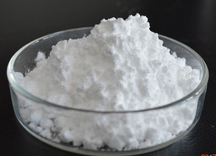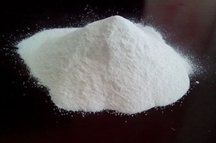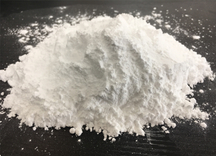
Melamine, a versatile chemical compound, has found applications across various industries, especially in producing resins, tableware, and coatings. In particular, “Melamine powder” and “Melamine formaldehyde powder” are integral components in manufacturing durable products like laminates, kitchenware, and plastic materials. However, questions about its safety and regulatory status, particularly its use in food products, have raised concerns. This article explores whether melamine is banned in the United States and clarifies the context in which it is permitted.
What is Melamine Powder / Melamine-Formaldehyde Powder?
Melamine is a nitrogen-rich organic compound commonly used in the production of plastic products. “Melamine powder” refers to the powdered form of this compound, typically utilized in the production of resins, coatings, adhesives, and tableware. When melamine reacts with formaldehyde, it forms melamine formaldehyde, which is a hard, durable resin used in various industrial applications, including countertops, laminates, and kitchenware.
While melamine powder is most recognized in its applications in non-food products, it has gained notoriety due to safety concerns when used in food contact materials, particularly when food is heated in melamine-based tableware. The migration of melamine from tableware to food, especially under high heat, is a critical safety issue.
Regulatory Status of Melamine in the US — Is It Banned?
Use in Food and Feed (Human & Animal)
Melamine is not approved for use as an additive in food or animal feed in the United States. The FDA strictly prohibits the addition of melamine to food products due to health risks. In the past, melamine has been used illicitly to adulterate food products like milk and infant formula, which led to significant health risks. This prompted the FDA to issue clear guidance that melamine, in any form, is not safe for food or feed consumption.
However, melamine remains a concern when it inadvertently migrates from tableware or kitchen products into food under high heat conditions, which may pose potential health hazards. This remains a key area of regulatory concern, particularly in products intended for food use.
Use in Tableware, Plastics, and Industrial Products
Although melamine is banned in food and feed, its use is not entirely restricted in other industries. In fact, melamine is widely used in manufacturing tableware, such as plates, cups, and serving trays, as well as in coatings, laminates, and plastics. The FDA has approved melamine-based products like dinnerware as long as they comply with specific safety guidelines, such as being used at appropriate temperatures and not for hot or acidic foods that could increase the migration of melamine into the food.
The regulatory guidelines emphasize that melamine-based tableware should not be used in microwaves or with hot, acidic foods unless specifically labeled as microwave-safe. These measures help mitigate the risks associated with melamine migration and ensure that the material is used safely in non-food contexts.
Trade and Importation of Melamine Powder / Material
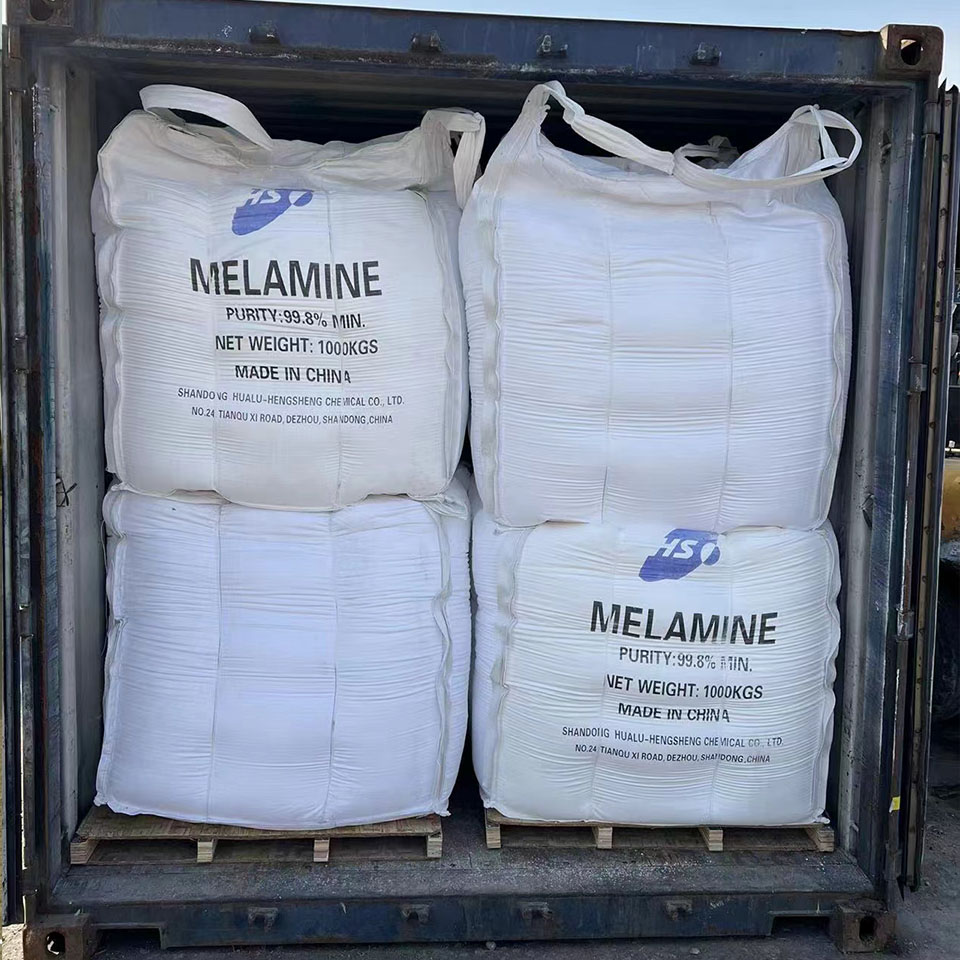
While melamine powder is not banned in the U.S., recent import regulations have introduced restrictions on the importation of melamine from certain countries. The U.S. International Trade Commission (USITC) and the Department of Commerce have imposed antidumping duties and countervailing duties on melamine imports from countries like China and Qatar. These tariffs are designed to protect domestic manufacturers from unfair pricing practices and subsidized foreign products.
As a result, while melamine remains available for industrial use, businesses in the U.S. that rely on imported melamine powder may face increased costs and limited access due to these trade measures. Such restrictions can impact supply chains, especially in industries using melamine in the production of resins, coatings, and plastics.
Stakeholder Perspectives on Melamine Powder (What Different Authorities / Agencies / Industry Players Say)
FDA
The FDA prohibits the use of melamine in food or feed and emphasizes that melamine is not safe for direct consumption. In addition, the FDA outlines safety regulations for melamine-based tableware, which should not be used in high-heat applications such as microwaving or heating acidic foods. This guideline helps mitigate any health risks associated with the migration of melamine into food products.
Food-safety / International Food Authorities
Food safety organizations around the world echo the FDA's stance on melamine. They emphasize that melamine should never be added to food or feed due to the potential for harmful contamination. Several international regulatory bodies have included melamine as a banned substance in food safety regulations, urging countries to closely monitor and regulate the substance in food-related products.
USITC / Commerce (Trade Regulators / Industry-Protection Bodies)
From a trade perspective, the USITC and the U.S. Department of Commerce have recently imposed antidumping duties on melamine imports from multiple countries. These measures reflect the U.S. government's ongoing efforts to protect domestic manufacturers from unfair trade practices and ensure that melamine products sold in the U.S. market are priced fairly. These regulations can affect industries reliant on foreign melamine powder and other melamine-based products.
Manufacturers / Industry (e.g., Tableware, Plastics, Coatings)
For manufacturers in the plastics and coatings industries, melamine remains a critical component in producing durable and high-quality products. However, due to recent import duties, the cost of sourcing melamine from abroad has risen, and domestic production of melamine may become more important in the future. While melamine-based tableware remains popular, industry stakeholders must comply with strict FDA regulations to ensure consumer safety and avoid potential health risks.
What “Banned” Means — Context & Nuance
The term “banned” in the context of melamine should be understood with nuance. In the U.S., melamine is strictly banned from use in food and animal feed products due to the risks associated with its consumption. However, in industrial applications, including tableware, laminates, and coatings, melamine is not banned. It is important to note that safety guidelines exist for melamine-based products, especially when it comes to products intended for food use. Consumers and manufacturers must adhere to these guidelines to mitigate any health risks related to melamine migration.
Conclusion (Answer to the Title Question)
In conclusion, melamine, including melamine powder and melamine-formaldehyde powder, is not banned outright in the United States. While it is prohibited for use in food and animal feed due to health concerns, it remains widely used in industrial applications such as plastics, coatings, and tableware. Strict regulations are in place for melamine-based products to ensure their safe use in food contact materials. Additionally, import tariffs and antidumping duties are being imposed on foreign melamine products, which could impact industries reliant on these imports. Understanding these regulatory frameworks is crucial for manufacturers, importers, and consumers alike.
Implications for Businesses & Importers
Businesses involved in the production or importation of melamine-based products should be aware of the evolving trade and regulatory landscape. While melamine powder remains legal for industrial use, it is subject to import tariffs and duties, which could impact pricing and supply chains. For businesses producing or using melamine-based tableware, following FDA guidelines and ensuring products are safe for food contact is essential. Compliance with these regulations will help mitigate health risks and avoid legal issues related to the use of melamine in food products.