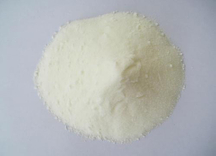
Commercial agriculture faces a constant and demanding challenge. We must maximize crop yield while tightly controlling input costs. Rising global nutrient demands leave little room for inefficiency on the farm. You need a reliable nitrogen source to drive vigorous plant growth. Agricultural Grade Urea (46-0-0) serves as the highest concentration solid nitrogen fertilizer available today. However, its cost-effectiveness relies entirely on precise application. Improper use quickly leads to massive nutrient loss and environmental runoff.
This article provides an evidence-based framework for evaluating, applying, and sourcing this vital fertilizer. You will learn actionable strategies to optimize Nitrogen Use Efficiency (NUE) across your fields. We also detail how to prevent costly volatilization losses through strategic timing and placement. By the end, you will understand how to transform raw fertilizer volume into measurable, consistent harvest success.
Key Takeaways
Nitrogen Density vs. Risk: Agricultural Grade Urea offers a 46% nitrogen payload, but improper surface application can result in up to 30% nitrogen loss via ammonia volatilization.
Application Timing is Critical: Strategic top-dressing and mechanical incorporation synchronized with crop growth stages dictate the actual yield return.
Quality Variations Matter: Biuret content, physical form (prilled vs. granular), and anti-caking treatments directly impact spreader calibration and crop safety.
Procurement Considerations: Selecting a supplier requires evaluating product purity, storage stability, and the availability of treated (inhibitor-coated) options to meet environmental compliance.
The Commercial Baseline: Evaluating Agricultural Grade Urea for Large-Scale Operations
Standard nitrogen programs demand consistency and efficiency. The 46-0-0 NPK profile defines the industry baseline. This means the product contains 46% elemental nitrogen, zero phosphorus, and zero potassium. High nitrogen density makes it incredibly efficient to transport and store. You apply fewer total pounds per acre compared to alternatives like ammonium sulfate. This sheer concentration explains why Agricultural Grade Urea dominates modern farming operations. Less physical bulk means fewer trips across the field and lower fuel consumption.
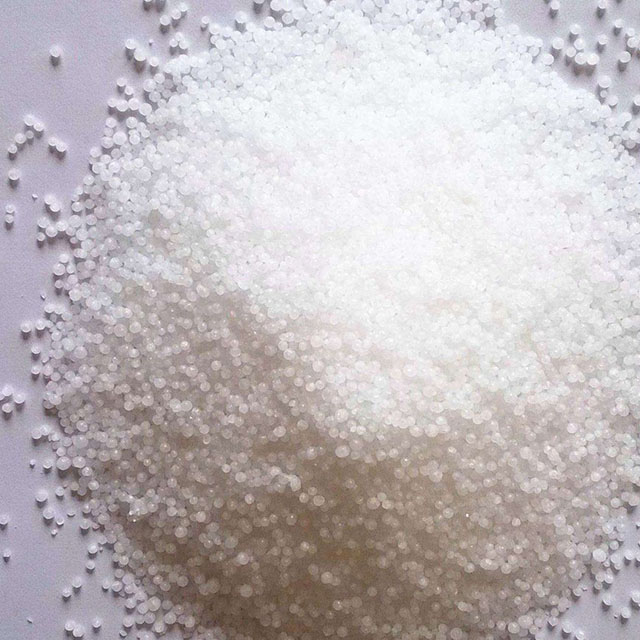
You must choose between two distinct physical forms: granular and prilled. Each serves highly specific application scenarios. Granular urea consists of larger, harder particles. These granules resist crushing during bulk transport and heavy handling. They are highly suited for mechanical broadcasting. You get a wider, more uniform spread pattern and significantly lower dust generation. Prilled urea features smaller, softer, spherical particles. It dissolves much faster in water. Farmers often prefer prills for fertigation systems. Prills also excel in rapid-release scenarios where immediate nutrient availability outweighs spread width.
Physical Form
Particle Characteristics
Primary Application Method
Key Advantage
Granular
Large, hard, irregular shape
Mechanical broadcasting, bulk blending
Wider spread pattern, minimal dust
Prilled
Small, soft, spherical shape
Fertigation, precise targeted feeding
Rapid dissolution, quick nutrient release
Let us examine the biuret factor. Biuret forms naturally during the manufacturing process when manufacturers apply heat. High-quality products must maintain low biuret levels, typically remaining strictly below 1.5%. High biuret concentrations cause phytotoxicity. Agronomists commonly call this condition leaf burn. This risk increases exponentially in seed-placed applications or foliar sprays. Demanding strict biuret limits ensures absolute crop safety and protects early seedling development.
Core Variables Impacting Nitrogen Use Efficiency (NUE)
Nitrogen Use Efficiency dictates the true return on your fertilizer investment. To master it, you must understand the hydrolysis reality. Granules do not feed plants directly out of the bag. A specific chemical conversion must occur first.
Soil enzymes (urease) attack and break down the applied molecule.
The molecule converts rapidly into ammonia gas.
Ammonia reacts directly with surrounding soil moisture to form plant-available ammonium.
This biological process requires specific environmental parameters. Soil temperature and moisture levels drive the reaction speed. Warm, moist soils accelerate the conversion safely. Conversely, dry, hot soils create extreme ammonia volatilization risks. Volatilization is the primary cause of lost fertilizer investment. When you apply Agricultural Grade Urea on dry soil surfaces during hot days, gaseous nitrogen escapes directly into the atmosphere. You can lose up to 30% of your applied nitrogen payload within mere days.
You must evaluate urease inhibitors to combat this severe loss. Products containing NBPT block the urease enzyme temporarily. This chemical block delays the hydrolysis process by up to two weeks. A simple cost-benefit framework guides this management decision. If you cannot incorporate the fertilizer immediately via rain or tillage, you should invest in an inhibitor. The extra cost of treated granules is far lower than the financial value of lost nitrogen. It protects your nutrient payload until conditions favor a safe conversion.
Strategic Application Methods to Prevent Yield Loss
Proper application methods prevent catastrophic yield loss. Soil incorporation represents the absolute best practice globally. You should lock the nitrogen into the soil profile within 48 hours of application. Mechanical tillage easily achieves this goal. Alternatively, you can utilize overhead irrigation systems. Applying a minimum of 0.5 inches of water pushes the dissolved nutrients safely below the soil surface. This action physically traps the converting ammonia gas underground.
Precision top-dressing maximizes mid-season crop growth. You must synchronize application timing with peak crop demand. For example, corn plants require massive nitrogen uptake during the V6 to V8 growth stages. Front-loading all your nitrogen at planting wastes vital potential. It exposes the nutrients to early-season leaching and heavy spring rains. Splitting applications ensures the plant receives food exactly when it needs it most.
You should also evaluate band placement versus surface broadcasting. Broadcasting scatters granules across the entire field surface indiscriminately. Banding places concentrated fertilizer zones directly below the soil surface, near the active root zone. Banding severely limits soil-to-fertilizer contact. This restricted contact naturally slows the nitrification process. It keeps nitrogen in the highly stable ammonium form much longer.
Best Practice: Always calibrate your spreader equipment before switching from prilled to granular products.
Best Practice: Apply just before a forecasted moderate rain event to guarantee natural soil incorporation.
Common Mistake: Applying on frozen or severely waterlogged soils guarantees heavy surface runoff.
Common Mistake: Leaving untreated granules resting on the soil surface for more than three days in high summer heat.
Managing Risks: Environmental Compliance and Soil Health
Over-application creates severe environmental hazards. Leaching and nitrate runoff actively pollute local watersheds. Nitrogen moves quite easily through sandy soils during heavy rainfall. You must calculate exact nitrogen credits to prevent this movement. Utilize routine soil testing to establish a firm baseline. Subtract the nitrogen already present in the field from your crop's total requirement. This targeted math prevents you from buying and applying excess material.
Continuous nitrogen application permanently alters your soil over time. Agricultural Grade Urea carries a known acidifying effect. As ammonium converts to nitrate, hydrogen ions release into the surrounding soil. This chemical action slowly drops the soil pH across multiple planting seasons. Highly acidic soils lock up other essential nutrients like phosphorus and potassium. We recommend implementing routine pH monitoring every two years. Execute corrective liming strategies to restore a neutral pH and maintain overall nutrient availability.
Strict regulatory alignment protects your daily operation. Environmental regulations are becoming increasingly stringent across agricultural regions. Strict adherence to calculated application rates keeps you fully compliant. You must also respect designated buffer zones near waterways and drainage ditches. Following these strict guidelines ensures long-term operational viability while aggressively protecting local ecosystems.
Below is a summary chart mapping environmental risks and their immediate mitigation strategies.
Environmental Risk
Primary Cause
Required Mitigation Strategy
Nitrate Leaching
Over-application on highly sandy soils
Implement split applications and rigorous soil testing
Watershed Runoff
Ignoring buffer zones and field slope limits
Adhere strictly to regional compliance maps
Soil Acidification
Continuous high-rate annual application
Execute routine pH monitoring and scheduled liming
Atmospheric Loss
Surface application without incorporation
Utilize mechanical tillage or urease inhibitors
Procurement Framework: Shortlisting Urea Suppliers and Products
Choosing the right supplier demands a highly structured procurement framework. You cannot judge fertilizer products by price alone. Physical quality dictates your handling efficiency. Always demand a detailed product specification sheet before executing a purchase. You should look for high crush strength to prevent heavy dust formation. A tight uniformity index ensures the granules spread evenly across the field. Finally, insist on a total moisture content strictly below 0.5%. Excess moisture ruins spreadability and clogs equipment.
Anti-caking treatments matter immensely for long-term storage success. Humid agricultural environments degrade unprotected granules quickly. The raw product absorbs moisture from the ambient air, turning into solid, unusable blocks. Reputable manufacturers apply specialized liquid coatings. Formaldehyde-based anti-caking agents remain highly effective. They maintain granule integrity and ensure the product flows freely through your equipment months after the initial delivery.
Evaluate the supplier's internal supply chain and traceability. Agricultural timing leaves absolutely no room for delayed shipments. Assess their bulk delivery logistics carefully. Can they truly meet peak seasonal demand during a tight planting window? Demand firm guarantees regarding seasonal availability. Transparent origin tracking also protects your farm. Knowing exactly where the product was manufactured helps you verify quality standards. It helps you avoid contaminated or substandard batches entirely. Reliable sourcing proves just as critical as proper field application.
Conclusion
Achieving maximum crop yield relies heavily on strategic management rather than just increasing raw volume. Pouring more fertilizer onto a field rarely solves underlying efficiency problems. Precision placement and timing matter most. Investing in high-quality materials and adhering strictly to soil incorporation practices remains the most reliable path forward. This proactive approach actively safeguards your vital fertilizer investment. We encourage you to review your current soil test data immediately. Assess the mechanical calibration of your application equipment. Finally, reach out to your prospective supplier to request a detailed specification sheet for your next delivery.
FAQ
Q: What is the shelf life of Agricultural Grade Urea?
A: When stored correctly, it maintains a highly stable shelf life lasting several years. You must keep it completely dry. High humidity causes the granules to absorb moisture and clump together. High-quality products utilize specialized anti-caking agents to extend viability. Always store bulk bags off the ground in a climate-controlled or well-ventilated facility.
Q: Can urea be blended with other fertilizers?
A: Yes, it blends very well with many common fertilizers like MAP and DAP. However, you must never mix it with ammonium nitrate. This specific combination critically lowers the relative humidity threshold. The resulting blend pulls moisture from the air rapidly, turning into a messy, unspreadable sludge almost immediately.
Q: Is it safe to apply urea directly to wet foliage?
A: No, applying it directly to wet leaves poses a severe risk of phytotoxicity or leaf burn. The granules stick to the surface moisture on the leaves and dissolve directly onto the plant tissue. We strongly recommend broadcasting only when the crop canopy is completely dry so granules bounce onto the soil.
Q: How long does urea take to break down in the soil?
A: The initial breakdown process typically takes two to four days. However, this timeline depends entirely on soil temperature, moisture levels, and urease enzyme activity. Warm, moist soils speed up the chemical conversion rapidly. Using urease inhibitors can intentionally delay this breakdown for up to two weeks if immediate rainfall is absent.
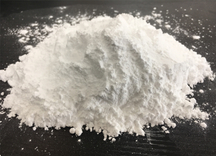
Melamine presents alkalescence, can react with various acidums to generate melamine salt. In strong acid or strong alkali liquor, melamine will hydrolyze---amidocyanogen will be slowly replaced by hydroxyl, thus generate cyanuric acid diacid amide, cyanuric acid monamide, and cyanuric acid. Among them, the reaction of melamine and formalin is the most important part.
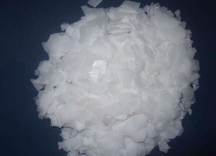
Product name:Sodium Hydroxid/Caustic Soda Molecular formula:NaOH Molecular weight:39.996 CAS NO.:1310-73-2 Appearance:White or light yellow shiny solids UN number:1824,1823
Melamine presents alkalescence, can react with various acidums to generate melamine salt. In strong acid or strong alkali liquor, melamine will hydrolyze---amidocyanogen will be slowly replaced by hydroxyl, thus generate cyanuric acid diacid amide, cyanuric acid monamide, and cyanuric acid. Among them, the reaction of melamine and formalin is the most important part.
CAS NO.7632-00-0 Chemical formula:NaNO2 Appearance:White or slightly yellowish solid. Uses:Mainly used in the pharmaceutical and chemical industries and can also be used in heat treatment of metal,early strength agent of cement,antifreezing agent,and etc. Packing:1000kg/bag,50kg/bag,25kg/bag