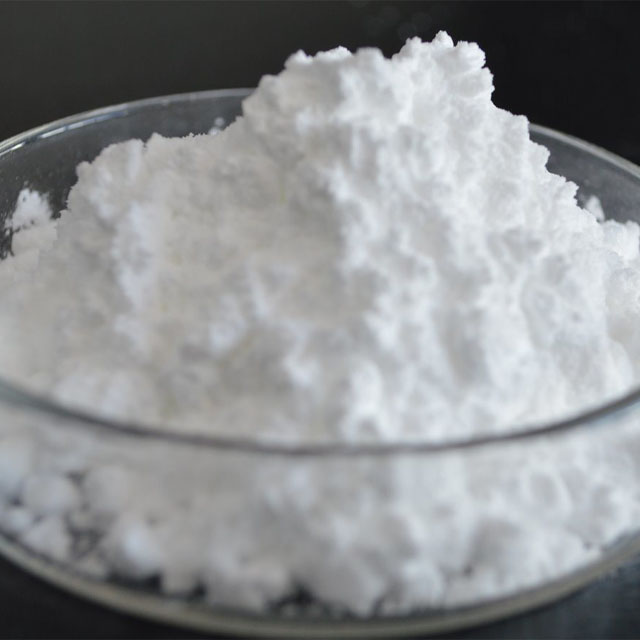
Attaching melamine to wood can be a challenging task due to its non-porous, smooth surface. Melamine, which is typically derived from melamine powder and melamine formaldehyde resin powder, is known for its durability and high resistance to stains and scratches. This makes it a popular choice for surface finishes, but its slick nature can make it difficult to bond with standard adhesives. In this article, we will guide you through the process of successfully attaching melamine to wood using the appropriate techniques and adhesives, ensuring a strong and lasting bond.
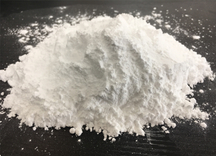
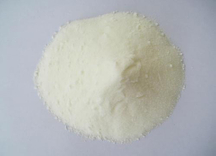
Melamine is a chemical compound that, when combined with formaldehyde, forms melamine formaldehyde resin powder. This resin is widely used for coating wood surfaces, providing a smooth, durable finish that is resistant to moisture and wear. The use of melamine powder in manufacturing melamine-coated boards has become increasingly popular in the furniture and cabinetry industries. While melamine-coated surfaces are ideal for their aesthetic and practical qualities, they present a challenge when it comes to adhesion due to their low surface energy and non-porous nature.
Why Standard Wood Glue Often Fails on Melamine
Standard wood glues, such as PVA (polyvinyl acetate) glue, rely on the porosity of wood to form a strong bond. However, melamine surfaces lack this characteristic, making it difficult for the glue to penetrate and bond effectively. The result is a weak, unreliable adhesion that may fail over time. Many woodworking experts agree that simply applying wood glue to melamine is not enough to ensure a lasting bond. To successfully attach melamine to wood, it is essential to use an adhesive specifically designed for non-porous surfaces.
Recommended Adhesives & Methods for Binding Melamine to Wood
To achieve a strong bond between melamine and wood, it's important to use adhesives that are formulated for non-porous materials. Here are a few options:
Melamine-specific Glue: This type of glue is specially designed to bond melamine surfaces. It provides a durable bond by adhering to the resin surface effectively. Some common options include water-based vinyl-acetate emulsions and other specialized adhesives.
Contact Adhesives: Contact adhesives, such as those used in laminate bonding, are highly effective for melamine-to-wood applications. These adhesives bond instantly once the surfaces come into contact, providing a quick and durable hold.
Epoxy Resins: Epoxy resins offer a strong and durable bond, making them a great choice for more demanding applications where wood and melamine will be subjected to heavy use.
Mechanical Reinforcements: In addition to adhesives, consider using screws, dowels, or biscuits to reinforce the joint. These methods ensure that the bond is strong and reliable, especially for structural applications where the bond must bear weight or stress.
Step-by-Step Guide: How to Attach Melamine to Wood
Follow these steps to successfully attach melamine to wood:
Prepare the Surfaces: Clean both the melamine and wood surfaces thoroughly to remove any dirt, dust, or oils. Use a mild cleaner to ensure that the surfaces are free of debris. If necessary, lightly sand the melamine surface to increase its "tooth" and improve adhesion.
Apply the Adhesive: Choose a melamine-specific glue or contact adhesive. Apply a thin, even layer to the wood surface using a brush or roller. Be sure to cover the entire area that will make contact with the melamine.
Join the Pieces: Align the melamine and wood surfaces carefully and press them together. If using contact adhesive, ensure that the surfaces do not touch until the adhesive has set, as this will ensure a strong bond.
Clamp the Pieces: Clamp the melamine and wood together to apply pressure evenly across the joint. Allow the adhesive to set as per the manufacturer's instructions, usually for several hours to ensure a strong bond.
Clean Excess Glue: Wipe away any excess glue that may squeeze out of the joint with a damp cloth before it dries.
Let it Dry: Allow the bond to fully cure according to the adhesive's instructions. Do not disturb the pieces until the bond is completely set.
When Things Go Wrong — Common Pitfalls & How to Avoid Them
Even with the right adhesive, there are still common pitfalls when attaching melamine to wood. Here’s how to avoid them:
Glue Failure: If you’re using regular wood glue, it’s likely to fail because it won’t adhere properly to the smooth melamine surface. Always use a melamine-specific adhesive.
Poor Joint Alignment: Misaligned pieces can cause gaps or uneven surfaces. Always measure and align carefully before applying adhesive.
Excessive Clamping: Clamping too tightly can squeeze out the adhesive and weaken the bond. Apply even pressure without over-clamping.
Improper Surface Preparation: Failing to scuff or sand the melamine surface can result in weak adhesion. Light sanding or scuffing helps the adhesive bond better.
What Experts & Communities Say: Perspectives from Different Platforms
According to Cutr’s DIY guide, standard wood glue is ineffective on melamine because of its non-porous surface. Melamine-specific glue or contact adhesives are recommended for best results.
Woodworking forums such as Woodweb suggest that mechanical reinforcements like dowels or screws are essential for ensuring the bond holds, particularly in structural applications.
Fine Woodworking contributors agree that scuffing the melamine surface and using appropriate adhesives is critical to achieving a durable bond. They also recommend adding mechanical fasteners for strength.
Workshop Bunnings advises using contact adhesives for bonding melamine to wood, highlighting the importance of letting the adhesive set properly to avoid weak joints.
Conclusion & Best Practices Summary
Attaching melamine to wood requires more than just standard wood glue. To ensure a strong, reliable bond, it is crucial to use adhesives designed for non-porous surfaces, such as melamine-specific glues or contact adhesives. Additionally, proper surface preparation, such as light sanding or scuffing, and reinforcing joints with mechanical fasteners will help to ensure long-lasting results. By following these steps and best practices, you can achieve professional-quality results when bonding melamine to wood.
Melamine presents alkalescence, can react with various acidums to generate melamine salt. In strong acid or strong alkali liquor, melamine will hydrolyze---amidocyanogen will be slowly replaced by hydroxyl, thus generate cyanuric acid diacid amide, cyanuric acid monamide, and cyanuric acid. Among them, the reaction of melamine and formalin is the most important part.
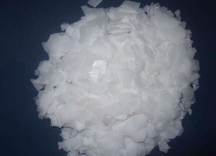
Product name:Sodium Hydroxid/Caustic Soda Molecular formula:NaOH Molecular weight:39.996 CAS NO.:1310-73-2 Appearance:White or light yellow shiny solids UN number:1824,1823
Melamine presents alkalescence, can react with various acidums to generate melamine salt. In strong acid or strong alkali liquor, melamine will hydrolyze---amidocyanogen will be slowly replaced by hydroxyl, thus generate cyanuric acid diacid amide, cyanuric acid monamide, and cyanuric acid. Among them, the reaction of melamine and formalin is the most important part.
CAS NO.7632-00-0 Chemical formula:NaNO2 Appearance:White or slightly yellowish solid. Uses:Mainly used in the pharmaceutical and chemical industries and can also be used in heat treatment of metal,early strength agent of cement,antifreezing agent,and etc. Packing:1000kg/bag,50kg/bag,25kg/bag