When it comes to fertilizers, urea is one of the most commonly used and effective nitrogen fertilizers in agriculture. Farmers often face the decision of choosing between liquid urea and granular urea, two popular forms of urea used to provide essential nutrients to crops. Both have their advantages and specific applications, but understanding their differences can help you determine which one is better suited for your agricultural needs.
In this article, we’ll explore the key differences between liquid urea and granular urea, the advantages of each, and how to choose the right one based on your farming practices. We will also discuss Agricultural Grade Urea, Adblue Grade Urea, and Industrial Grade Urea, to help you make an informed decision about the type of urea that will benefit your crops the most.
Liquid vs Granular Urea: Which Fertilizer Is Better for Your Crops?
The decision of choosing between liquid urea and granular urea depends on various factors such as crop type, soil conditions, application methods, and environmental factors. Both forms of urea have their place in modern farming, but knowing when to use each can make a significant difference in your yields and crop health.
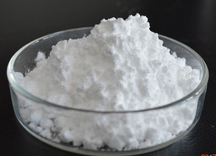
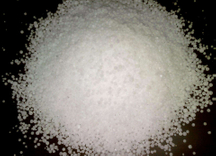
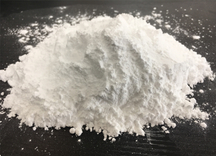
Granular Urea is the traditional form of urea, offering solid granules that are easy to handle, store, and apply.
Liquid Urea, on the other hand, is a more modern option, offering better distribution and quick nutrient absorption, but requiring more specific application equipment.
Understanding these differences is essential for deciding which form of urea is better for your farming system.
Liquid vs Granular Urea Fertilizer: Key Differences
Both liquid urea and granular urea serve the same primary function: providing nitrogen to the soil to enhance plant growth. However, they differ in form, application, efficiency, and cost. Here’s a breakdown of their key differences:
| Feature | Granular Urea | Liquid Urea |
| Form | Solid granules | Liquid form |
| Application Method | Spread by hand, spreaders, or sprinklers | Sprayed through specialized equipment |
| Nutrient Release | Gradual release | Quick release |
| Ease of Application | Requires equipment like spreaders | Requires specialized equipment like sprayers |
| Cost | Generally less expensive | More expensive due to equipment costs |
| Storage and Handling | Easier to store and handle | Requires special containers and care |
| Environmental Impact | Can cause volatilization of nitrogen | Less nitrogen loss, more controlled |
| Suitability for Crops | Ideal for row crops, turf, and large fields | Best for intensive crop management or liquid fertilization |
Liquid Urea vs Granular Urea in Agriculture
When deciding between liquid urea and granular urea, it’s important to consider how each one fits into your agricultural practices and the specific needs of your crops. Both types of urea have applications in Agricultural Grade Urea, but their uses differ based on environmental conditions, crop types, and farming techniques.
Granular Urea in Agriculture:
Granular urea is widely used in large-scale farming, especially for broad-acre crops. It is ideal for crops such as cereals, legumes, and grasses that require a slow, sustained release of nitrogen over time.
It is applied using spreaders or fertilizer trucks, making it suitable for large fields where high-efficiency and less frequent application is needed.
Granular urea is often mixed with other fertilizers to provide a balanced nutrient profile, ensuring that crops receive adequate nitrogen and other essential elements for healthy growth.
Liquid Urea in Agriculture:
Liquid urea is often used in precision farming methods, where accurate application is necessary for specific crops. This type of urea is highly soluble, allowing it to be absorbed quickly by plants.
It is ideal for crops that require fast nitrogen absorption, such as vegetables, fruits, or tobacco. It’s also used in irrigation systems to deliver nitrogen directly to the plants through fertigation.
Liquid urea can be applied with advanced systems like drip irrigation, making it suitable for water-efficient farming practices.
Advantages of Liquid Urea
Liquid urea has several advantages, particularly in modern farming practices that emphasize precision and efficiency. Here are some of the key benefits of using liquid urea in agricultural applications:
1. Faster Absorption and Efficiency
Since liquid urea dissolves rapidly in water, it is quickly absorbed by plants, providing a fast source of nitrogen. This makes it ideal for crops that require rapid growth or for fertilization during the growing season.
2. Reduced Nitrogen Loss
Unlike granular urea, which can lose nitrogen to volatilization (especially in hot, dry conditions), liquid urea is less prone to this type of loss. The liquid form allows for more controlled application, reducing waste and making the process more efficient.
3. Uniform Distribution
When applied via sprayers or fertigation systems, liquid urea ensures more uniform distribution of nutrients across crops. This is particularly beneficial in intensive agriculture where precise nutrient management is crucial for maximizing yields.
4. Ideal for Fertigation Systems
Liquid urea is well-suited for fertigation—the process of delivering fertilizers through irrigation systems. This method ensures that nutrients reach the roots directly, improving uptake and reducing environmental impact.
Advantages of Granular Urea
While liquid urea has its benefits, granular urea remains the preferred choice for many traditional farming operations. Here are some of the advantages of using granular urea:
1. Cost-Effective
Granular urea is generally less expensive than its liquid counterpart. The cost savings make it an attractive option for large-scale farming operations, especially where efficiency and lower overhead costs are priorities.
2. Easier to Store and Handle
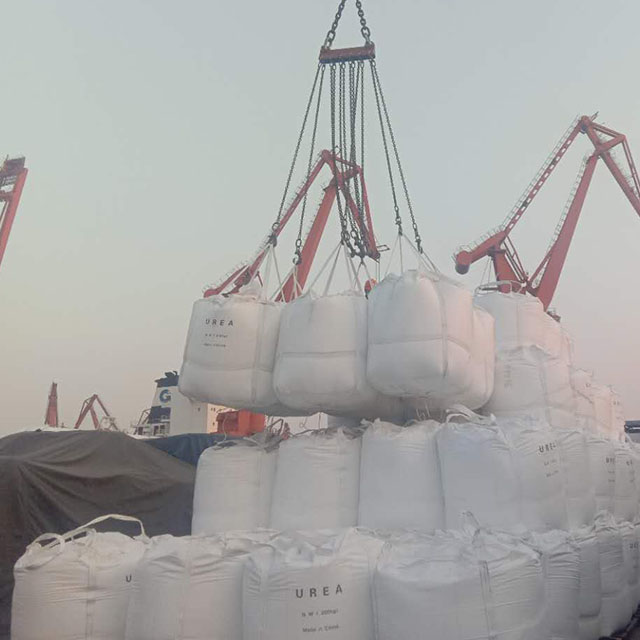
Granular urea is easier to store and handle compared to liquid urea. It doesn’t require special equipment or containers and can be stored in standard silos or bags. This makes it more practical for farmers with limited infrastructure or those who need bulk quantities of fertilizer.
3. Slow Release
Granular urea provides a slow release of nitrogen, which helps maintain consistent levels of nutrients over a longer period. This is especially beneficial for crops that require a steady supply of nitrogen throughout their growing season.
4. Wide Applicability
Granular urea is versatile and can be used for a wide variety of crops, including grains, vegetables, and turf. It is also commonly used in Adblue grade urea for the automotive industry and industrial grade urea for various chemical applications.
Application Tips for Each
Understanding the correct way to apply liquid urea and granular urea is crucial for maximizing crop yields and minimizing waste. Here are some application tips for each type of urea:
Application Tips for Liquid Urea:
Use in Fertigation Systems: Liquid urea is ideal for fertigation through irrigation systems. Ensure that your irrigation system is equipped to handle liquid fertilizers and that the application is evenly distributed to prevent over-application.
Apply during Early Growth Stages: Liquid urea is quickly absorbed, making it ideal for use during the early growth stages when crops require rapid nitrogen uptake.
Monitor Weather Conditions: Apply liquid urea during favorable weather conditions to avoid nutrient loss due to rainfall or evaporation.
Application Tips for Granular Urea:
Broadcast or Side-Dressing: Granular urea can be broadcast across fields or applied as a side-dressing along rows of crops. Make sure to incorporate the fertilizer into the soil to prevent volatilization losses.
Timing Is Key: Apply granular urea before planting or at the beginning of the growing season to provide a steady nitrogen supply throughout the growing period.
Ensure Proper Soil Moisture: For optimal effectiveness, ensure the soil is moist when applying granular urea. This helps the granules dissolve and release nitrogen more efficiently.
Liquid vs Granular Fertilizer – Which One to Choose?
When deciding between liquid urea and granular urea, consider the following factors:
Crop Type: Fast-growing crops like vegetables and fruits may benefit more from liquid urea due to its quick absorption, while slower-growing crops may benefit from the steady release of nitrogen provided by granular urea.
Farming System: If you are using advanced fertigation systems, liquid urea is a better choice due to its compatibility with irrigation systems. For traditional farming systems, granular urea is often preferred for its ease of use and cost-effectiveness.
Cost: If budget is a concern, granular urea is typically the more cost-effective option, especially for large-scale operations.
Ultimately, the choice between liquid urea and granular urea depends on your specific farming needs, crop type, and budget.
Final Thoughts
Both liquid urea and granular urea have their unique benefits, and the decision between the two depends on your specific agricultural practices and crop requirements. Whether you’re looking for fast nitrogen release with liquid urea or the slow, consistent nutrient delivery of granular urea, understanding their advantages and best practices can help you maximize efficiency and improve crop yields.
Urea remains one of the most popular and widely used fertilizers in agriculture, with both Agricultural Grade Urea, Adblue Grade Urea, and Industrial Grade Urea offering different applications based on industry needs. By considering your specific needs and applying the appropriate type of urea correctly, you can ensure that your crops thrive and grow to their full potential.
FAQs
1. What is the difference between liquid urea and granular urea?
The main difference is that liquid urea is dissolved in water and applied through irrigation systems or sprayers, providing quick absorption, while granular urea is solid and provides a slow, sustained release of nitrogen over time.
2. Which one is more cost-effective: liquid urea or granular urea?
Granular urea is generally more cost-effective than liquid urea due to lower equipment and application costs, making it ideal for large-scale operations.
3. Can liquid urea be used in all crops?
Yes, liquid urea can be used in a wide variety of crops, especially those that require quick nitrogen absorption, such as vegetables and fruit-bearing plants.
4. Can I apply granular urea in the same way as liquid urea?
No, granular urea is typically applied through broadcast or side-dressing methods, whereas liquid urea is usually applied via fertigation systems or sprayers.
5. Is urea safe for the environment?
Both forms of urea can contribute to nitrogen runoff if not applied properly. It’s important to follow best practices to minimize environmental impact, such as applying during favorable weather conditions and ensuring proper soil moisture.