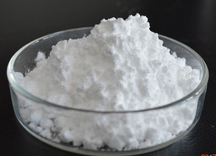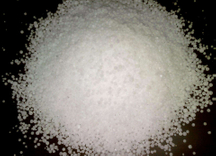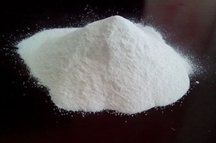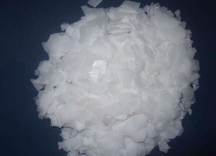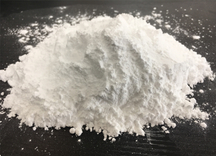
The global industrial landscape relies heavily on versatile chemical intermediates that bridge the gap between raw petrochemicals and finished consumer goods. Among these, phthalic anhydride stands out as a white, crystalline compound primarily derived from the catalytic oxidation of ortho-xylene or naphthalene. As a fundamental anhydride of phthalic acid, its reactivity and structural stability make it indispensable for synthesizing resins, dyes, and specialized chemical additives. In recent years, the manufacturing sector has seen a surge in demand for this compound, driven by infrastructure development and the evolving requirements of the polymer industry.
Phthalic anhydride is a vital organic chemical intermediate used extensively in the production of phthalate plasticizers, unsaturated polyester resins (UPR), and alkyd resins, serving as a cornerstone for manufacturing flexible plastics, automotive parts, and high-performance industrial coatings. Its role as a multifunctional building block allows manufacturers to manipulate the physical properties of end-products, ensuring durability, flexibility, and chemical resistance across diverse applications ranging from construction to medicine.
Understanding the technical specifications and diverse applications of phthalic anhydride is essential for procurement specialists and industrial chemists looking to optimize their supply chains. This comprehensive guide explores the chemical's pivotal role in plasticizers, its significance in the medical field, and the necessity of high purity standards in modern manufacturing. By examining the technical nuances and market utility of this "critical building block," we provide a detailed roadmap for navigating its industrial importance.
Table of Contents
What is Phthalic Anhydride and Its Primary Industrial Roles
The Importance of High Purity Phthalic Anhydride in Manufacturing
Phthalic Anhydride for Plasticizers: Enhancing Polymer Performance
The Role of Phthalic Anhydride for Medicine and Pharmaceutical Synthesis
Technical Specifications and Chemical Properties of Industrial Grade Phthalic Anhydride
Comparing Phthalic Anhydride with Other Acid Anhydrides in Resin Production
Safety Protocols and Environmental Considerations for Phthalic Anhydride Handling
What is Phthalic Anhydride and Its Primary Industrial Roles
Phthalic anhydride is a cyclic dicarboxylic acid anhydride that serves as a primary precursor for a vast array of chemical derivatives, most notably acting as the backbone for plasticizers and synthetic resins used in global infrastructure.
In the realm of industrial chemistry, phthalic anhydride is recognized for its ability to undergo esterification and condensation reactions with ease. This reactivity is the engine behind the production of alkyd resins, which are the fundamental binders in paints and coatings. When phthalic anhydride reacts with polyhydric alcohols like glycerol or pentaerythritol, it forms a robust polymer network that provides the glossy, durable finish found on machinery and architectural surfaces. This makes phthalic anhydride a non-negotiable component for the protective coatings industry.
Furthermore, phthalic anhydride is the starting material for the synthesis of anthraquinone and various phthalocyanine dyes. These substances are critical for the textile and printing industries, providing vibrant, light-fast pigments that do not degrade under environmental stress. The chemical's unique molecular structure allows for the creation of complex organic molecules that maintain stability, ensuring that the colors and structural integrity of treated materials remain intact over long periods of use.
The versatility of phthalic anhydride extends into the production of unsaturated polyester resins (UPR). UPR is frequently reinforced with glass fibers to create fiberglass-reinforced plastics (FRP), which are essential for the automotive, marine, and construction sectors. From boat hulls to car body panels, the structural strength provided by phthalic anhydride-based resins is a testament to its status as a critical building block. Without the consistent availability of phthalic anhydride, modern lightweight and high-strength composite materials would be significantly more difficult and expensive to produce.
The Importance of High Purity Phthalic Anhydride in Manufacturing
High purity phthalic anhydride is characterized by a molten color (Hazen) typically below 20 and a purity level exceeding 99.5%, which is crucial for preventing discoloration in downstream resins and ensuring the chemical stability of sensitive pharmaceutical and electronic applications.
Using high purity phthalic anhydride is a technical requirement for manufacturers who prioritize the aesthetic and functional longevity of their products. In the production of plasticizers and alkyd resins, even trace amounts of impurities—such as maleic anhydride or benzoic acid—can lead to unwanted side reactions. These impurities often cause "yellowing" in the final product, which is a major defect for clear plastics or white decorative coatings. Therefore, sourcing high purity phthalic anhydride is the only way to guarantee a "water-white" appearance in premium-grade polymers.
The demand for high purity phthalic anhydride is particularly high in the manufacturing of specialty chemicals where precise reaction kinetics are required. For instance, in the synthesis of high-end esters, any deviation in the purity of the phthalic anhydride can alter the acid value of the batch, leading to inconsistent viscosity and curing times. Manufacturers utilize advanced distillation and crystallization techniques to reach these purity benchmarks, ensuring that the high purity phthalic anhydride integrates seamlessly into automated production lines without causing equipment fouling or batch failures.
Moreover, the electrical and electronics industries rely on high purity phthalic anhydride for the production of insulating resins. In these environments, chemical consistency is synonymous with safety; impurities can lower the dielectric strength of the insulation, potentially leading to short circuits or thermal degradation. By utilizing high purity phthalic anhydride, engineers can ensure that electronic components remain reliable under high-stress conditions. The transition toward miniaturized and more powerful electronics has only increased the market's insistence on the highest possible grade of high purity phthalic anhydride.
| Property | Standard Grade | High Purity Phthalic Anhydride |
| Purity (%) | 99.2% | ≥ 99.5% |
| Molten Color (Hazen) | < 50 | ≤ 20 |
| Crystallizing Point | 130.5°C | ≥ 131.0°C |
| Free Acid Content | < 0.2% | ≤ 0.05% |
Phthalic Anhydride for Plasticizers: Enhancing Polymer Performance
Phthalic anhydride for plasticizers is the most significant application of the chemical, where it is reacted with alcohols like 2-ethylhexanol to produce Dioctyl Phthalate (DOP), which provides PVC and other resins with the necessary flexibility and durability for industrial use.
The primary reason manufacturers seek phthalic anhydride for plasticizers is to transform brittle Polyvinyl Chloride (PVC) into a pliable, versatile material. When phthalic anhydride is esterified, it creates phthalates that act as internal lubricants between polymer chains. This molecular interaction reduces the glass transition temperature of the plastic, allowing it to be bent, folded, or molded without cracking. Consequently, phthalic anhydride for plasticizers is the hidden force behind everything from flexible wire insulation and medical tubing to durable synthetic leather and vinyl flooring.
The efficiency of phthalic anhydride for plasticizers is measured by its compatibility with various polymer matrices. While DOP (Dioctyl Phthalate) has been the industry standard for decades, the evolution of the market has led to the development of higher molecular weight phthalates like DIDP and DINP. These derivatives, all stemming from phthalic anhydride for plasticizers, offer lower volatility and higher resistance to high temperatures. This makes them ideal for automotive interiors and outdoor cable sheathing where the plastic must withstand extreme weather conditions without becoming brittle or releasing fumes.
Industrial adoption of phthalic anhydride for plasticizers also focuses on cost-to-performance ratios. Because phthalic anhydride is a highly efficient reactant, it allows for high-yield production of plasticizing agents with minimal waste. The global supply chain for phthalic anhydride for plasticizers is robust, ensuring that large-scale PVC manufacturers have a steady stream of raw materials to meet the demands of the construction and consumer goods sectors. As the world moves toward more specialized plastic applications, the role of phthalic anhydride for plasticizers continues to expand into high-performance elastomers and custom-engineered resins.
The Role of Phthalic Anhydride for Medicine and Pharmaceutical Synthesis
Phthalic anhydride for medicine serves as a key intermediate in the synthesis of essential pharmaceutical compounds, including various vitamins, anti-inflammatory drugs, and phthalylsulfathiazole, which are used to treat a wide range of human health conditions.
The application of phthalic anhydride for medicine showcases the chemical’s versatility beyond heavy industry. In the pharmaceutical sector, it is often used as a protecting group for amines or as a building block for complex ring structures. For example, the synthesis of Vitamin K3 (menadione) relies on derivatives of phthalic anhydride, emphasizing its importance in nutritional supplements and blood-clotting medications. The precision required in these chemical reactions means that phthalic anhydride for medicine must adhere to stringent quality controls to prevent any cross-contamination.
Additionally, phthalic anhydride for medicine is utilized in the production of phenolphthalein, which has historically been used in laboratory diagnostics and certain medicinal formulations. It also plays a role in the creation of phthalimide, a compound that serves as a precursor to many fungicides and pharmaceutical agents. Because the human body is sensitive to chemical impurities, the phthalic anhydride for medicine used in these processes is often of the highest grade, ensuring that the resulting drugs are safe for patient consumption and free from toxic byproducts.
Furthermore, the development of specialized drug delivery systems often involves the use of phthalic anhydride for medicine. Enteric coatings, which allow tablets to pass through the stomach and dissolve in the intestines, frequently utilize phthalate derivatives to control the release rate of the active ingredient. This application of phthalic anhydride for medicine is vital for medications that are sensitive to stomach acid or require targeted absorption. As medical technology advances, the demand for high-specification phthalic anhydride for medicine continues to grow within the biotechnology and pharmaceutical research sectors.
Technical Specifications and Chemical Properties of Industrial Grade Phthalic Anhydride
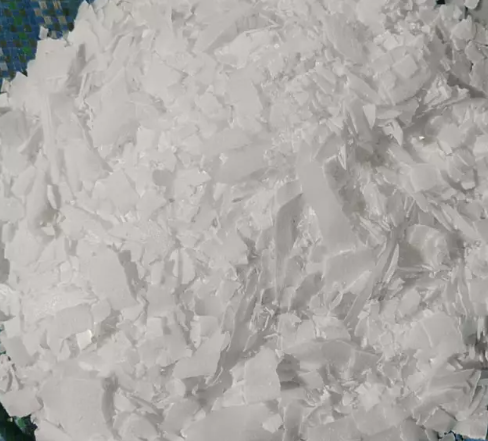
The technical specifications of phthalic anhydride include a molecular weight of 148.12, a melting point of 131.1°C, and a distinct white flaky or needle-like appearance, all of which define its handling and reactivity in large-scale chemical reactors.
From a chemical perspective, phthalic anhydride is the anhydride of phthalic acid, formed by the loss of one water molecule. This structure is what gives phthalic anhydride its high reactivity toward alcohols and water. In an industrial setting, the moisture content must be strictly controlled; if phthalic anhydride absorbs water from the air, it reverts to phthalic acid, which can clog pipes and interfere with the stoichiometry of resin-making processes. Therefore, understanding the physical properties of phthalic anhydride is crucial for maintaining efficient storage and transportation systems.
The boiling point of phthalic anhydride is approximately 284°C, which allows it to be sublimated for purification purposes. In manufacturing, it is often handled in a molten state to facilitate easy pumping and rapid mixing in large-scale esterification tanks. The density of the solid flakes of phthalic anhydride is roughly 1.53 g/cm³, a detail that engineers use to calculate the volume requirements for silos and hopper systems. Consistent adherence to these physical constants ensures that every batch of phthalic anhydride performs predictably during the complex heating and cooling cycles of industrial synthesis.
Technical grade phthalic anhydride must also meet specific limits regarding "heat color stability." This test involves heating the sample for a specified duration and measuring the change in Hazen color. High-quality phthalic anhydride will maintain its clarity even under prolonged thermal stress. This property is vital for manufacturers of unsaturated polyester resins who utilize high-temperature cooking processes. By monitoring these technical specifications, suppliers can ensure that the phthalic anhydride provided meets the rigorous demands of modern chemical engineering.
Physical and Chemical Constants of Phthalic Anhydride
Molecular Formula: C8H4O3
Appearance: White crystalline flakes or needles
Odor: Characteristic, choking, and irritating
Solubility: Soluble in alcohol, slightly soluble in ether and hot water
Flash Point: 151.7°C (Closed Cup)
Comparing Phthalic Anhydride with Other Acid Anhydrides in Resin Production
When comparing phthalic anhydride to alternatives like maleic anhydride or trimellitic anhydride, phthalic anhydride is preferred for its balance of cost, structural rigidity, and excellent weather resistance in general-purpose alkyd and polyester resins.
In the selection process for resin formulations, phthalic anhydride is often chosen over maleic anhydride when flexibility and toughness are the primary goals. While maleic anhydride provides a higher cross-linking density, phthalic anhydride offers a more stable aromatic ring structure that enhances the UV resistance of the final coating. For outdoor applications, such as bridge coatings or marine paints, the inclusion of phthalic anhydride ensures that the resin does not degrade quickly when exposed to sunlight and moisture. This longevity makes phthalic anhydride the more economical choice over the product's entire lifecycle.
Another comparison involves trimellitic anhydride (TMA), which is often used for high-temperature applications. While TMA can provide better heat resistance, phthalic anhydride is significantly more cost-effective for the vast majority of consumer and industrial products. For manufacturers who do not require the extreme thermal stability of TMA, phthalic anhydride provides a versatile middle ground that satisfies performance requirements while keeping production costs competitive. The broad availability of phthalic anhydride further solidifies its position as the industry's go-to anhydride for large-volume resin production.
The chemical compatibility of phthalic anhydride with a wide range of polyols also gives it an edge over more specialized anhydrides. Whether a manufacturer is producing a short-oil alkyd for fast-drying industrial primers or a long-oil alkyd for decorative house paints, phthalic anhydride can be easily adjusted within the formulation. This adaptability reduces the need for manufacturers to stock multiple types of anhydrides, simplifying inventory management. The reliability and predictable behavior of phthalic anhydride in the reactor remain unmatched by most other acid anhydrides available on the market today.
Safety Protocols and Environmental Considerations for Phthalic Anhydride Handling
Safety protocols for handling phthalic anhydride require the use of specialized personal protective equipment (PPE), including respirators and chemical-resistant gloves, to prevent irritation of the respiratory tract, skin, and eyes during the manufacturing process.
Due to its nature as a reactive chemical, phthalic anhydride requires careful management to ensure workplace safety. The dust from phthalic anhydride flakes is a known irritant; inhalation can cause coughing, sneezing, and in some cases, occupational asthma. Industrial facilities must implement robust ventilation systems and dust collection units to keep airborne concentrations of phthalic anhydride within legal exposure limits. Regular safety training for personnel handling phthalic anhydride is a standard requirement to prevent accidental exposure and ensure a quick response to any spills.
Environmental considerations are also paramount when working with phthalic anhydride. While the chemical is biodegradable, concentrated spills can lower the pH of water bodies, potentially harming aquatic life. Therefore, storage areas for phthalic anhydride are typically equipped with secondary containment systems to prevent leaks from reaching the ground or drainage systems. Furthermore, manufacturing plants that produce or use phthalic anhydride often employ scrubbers to neutralize any vapors released during the heating process, ensuring that the facility remains in compliance with local environmental regulations.
The global shift toward sustainable chemistry has also influenced how phthalic anhydride is viewed. Many producers are exploring ways to reduce the carbon footprint of phthalic anhydride production by optimizing catalyst efficiency and utilizing waste heat recovery. Additionally, because phthalic anhydride enables the production of long-lasting materials, it contributes to the circular economy by extending the service life of infrastructure and consumer goods. Proper handling and responsible sourcing of phthalic anhydride ensure that its benefits to modern manufacturing are balanced with a commitment to environmental stewardship.
Summary of Phthalic Anhydride Utility
In summary, phthalic anhydride is an essential intermediate that underpins much of modern industrial production. From its fundamental role in creating phthalic anhydride for plasticizers that make our daily plastics flexible, to its critical application in phthalic anhydride for medicine, its impact is felt across nearly every sector of the economy. The insistence on high purity phthalic anhydride ensures that manufacturers can produce high-quality, durable, and aesthetically pleasing products that meet the highest international standards.
As manufacturing technologies continue to evolve, the demand for phthalic anhydride as a versatile building block will remain steadfast. Its unique combination of chemical reactivity, structural stability, and cost-effectiveness makes it irreplaceable in the synthesis of resins, coatings, and specialized additives. By maintaining a focus on high purity and safe handling, the chemical industry can continue to leverage phthalic anhydride to drive innovation and provide the essential materials required for a growing global population.