Phthalic anhydride is a fundamental chemical intermediate that serves as the backbone for numerous industrial sectors, ranging from plastics and coatings to pharmaceuticals. As the global demand for durable and high-performance materials continues to grow, this white crystalline compound has established itself as an indispensable building block in modern chemical manufacturing. Its versatility and reactivity allow it to be synthesized into complex molecular structures that define our daily lives, from the flexibility of vinyl flooring to the protective finishes on automotive parts.
Phthalic anhydride is an essential organic chemical compound primarily produced via the catalytic oxidation of ortho-xylene or naphthalene, serving as a critical precursor for the manufacture of plasticizers, alkyd resins, and various specialized chemical derivatives.
Understanding the nuances of phthalic anhydride, including its synthesis, handling, and application, is vital for procurement managers, chemical engineers, and industrial stakeholders. This article provides a comprehensive exploration of the material, offering insights into its properties, the technological processes involved in its production, and its pivotal role in sustaining modern industrial value chains.
Whether you are looking to source high purity phthalic anhydride for precision pharmaceutical synthesis or seeking to optimize the use of phthalic anhydride for plasticizers in polymer production, this guide will serve as a technical reference to facilitate informed decision-making.
Table of Contents
Overview of Phthalic Anhydride
Applications of Phthalic Anhydride
Technical Specifications
Packaging & Storage
Overview of Phthalic Anhydride
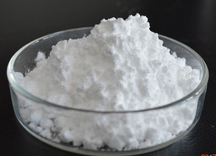
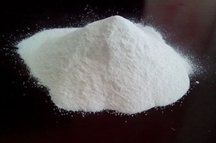
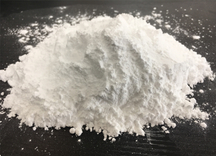
Phthalic anhydride is a white, crystalline organic solid that acts as a primary intermediate in the production of esters, plasticizers, resins, and various other chemical substances.
Phthalic anhydride, often represented by the formula $C_8H_4O_3$, is derived through the oxidation of ortho-xylene or naphthalene. The industrial significance of phthalic anhydride stems from its acid anhydride functional group, which makes it highly reactive towards alcohols and amines. This reactivity allows manufacturers to synthesize a wide array of derivatives that are essential for polymer modification. As global market standards evolve, the push for high purity phthalic anhydride has become more pronounced, particularly in sectors where chemical consistency is non-negotiable.
The production process typically utilizes fixed-bed catalytic oxidation. In this system, ortho-xylene is vaporized and mixed with air, then passed over a catalyst—commonly vanadium pentoxide—within a reactor. The exothermic reaction must be carefully controlled through heat exchange systems to ensure the quality of the phthalic anhydride produced. The resultant gas is cooled, and the product is collected either in liquid form or as solid crystals, depending on the specific industrial requirement.
From a commercial perspective, the market for phthalic anhydride is deeply integrated with the petrochemical supply chain. Fluctuations in the price of feedstock, primarily ortho-xylene, directly influence the cost structure of phthalic anhydride for plasticizers and other downstream products. Understanding these market dynamics is essential for industrial planning, as the availability and purity of the anhydride determine the efficiency of subsequent polymerization or synthesis reactions.
Applications of Phthalic Anhydride
The primary applications of phthalic anhydride are found in the synthesis of plasticizers, alkyd resins, and unsaturated polyester resins, which are essential for the global construction, automotive, and consumer goods industries.
The most significant use case for this compound involves the production of phthalate plasticizers. When combined with alcohols like 2-ethylhexanol, it forms esters such as DOP (dioctyl phthalate), which are used to impart flexibility, transparency, and durability to polyvinyl chloride (PVC). Without the steady supply of phthalic anhydride for plasticizers, the production of flexible cables, flooring, medical tubing, and synthetic leather would be severely constrained.
Beyond plasticizers, phthalic anhydride is a key component in the production of alkyd resins. These resins are the workhorses of the paint and coatings industry. By reacting phthalic anhydride with polyols and fatty acids, manufacturers can create high-quality coatings that exhibit excellent adhesion, gloss retention, and resistance to environmental degradation. These properties make them the preferred choice for industrial finishes, furniture coatings, and decorative architectural paints.
Furthermore, phthalic anhydride plays a crucial role in the pharmaceutical industry. The demand for high purity phthalic anhydride is particularly high here, as it is utilized in the synthesis of various drugs, including specific laxatives and other therapeutic agents. It acts as an intermediate that helps in modifying chemical properties of active pharmaceutical ingredients. Below is a summary table of the key industrial segments utilizing this material:
| Industrial Segment | Application Function |
| Plasticizers | Enhancing flexibility in PVC materials |
| Alkyd Resins | Binder for high-performance paints and coatings |
| Unsaturated Polyesters | Structural components for boats, tanks, and auto parts |
| Pharmaceuticals | Intermediate for therapeutic drug synthesis |
| Dyes and Pigments | Precursor for specialized synthetic colorants |
Technical Specifications
Technical specifications for phthalic anhydride generally focus on its purity level, color stability, moisture content, and the absence of impurities like maleic anhydride, ensuring the material meets international industrial standards.
For industrial-grade applications, purity is the defining factor. High purity phthalic anhydride usually maintains a purity level of 99.7% or higher. This level of refinement is critical for manufacturers who rely on exact stoichiometric ratios during resin production. Even minor variations in purity or the presence of trace moisture can lead to polymerization defects, affecting the mechanical properties of the final plastic or resin product.
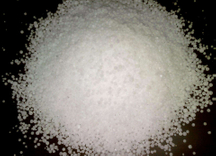
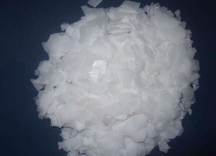
The physical state of the material is typically either molten (liquid) or flaked (solid). Molten phthalic anhydride is preferred by large-scale manufacturers who have direct-feed infrastructure, as it reduces handling labor and the energy required for melting flakes. However, the flaked form remains the industry standard for smaller operations or international shipping due to ease of transport and storage stability. The typical technical requirements for high-quality product are summarized below:
Appearance: White, crystalline, free of impurities
Purity (by weight): ≥ 99.7%
Molten Color (Hazen, after heating): ≤ 20
Solidification Point: ≥ 130.8°C
Maleic Anhydride Content: ≤ 0.05%
These specifications are vital when evaluating suppliers. A consistent supply of high purity phthalic anhydride ensures that downstream manufacturers can maintain stable production cycles, reducing the need for batch re-testing or process adjustments.
Packaging & Storage
Proper packaging and storage of phthalic anhydride are paramount to maintaining its quality, requiring moisture-proof containment and a controlled environment to prevent hydrolysis and oxidation.
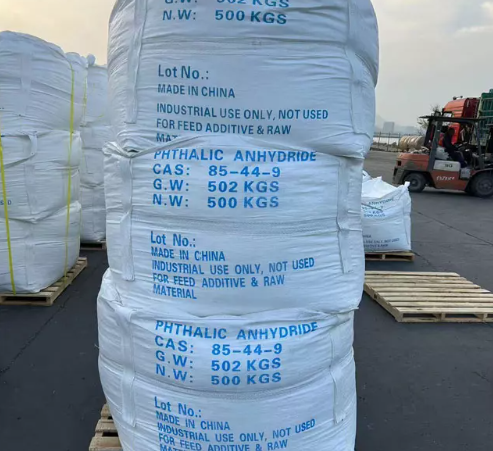
Phthalic anhydride is sensitive to atmospheric moisture; when exposed to water, it converts into phthalic acid, which significantly lowers its quality and effectiveness in industrial reactions. Consequently, the standard industry practice is to store the product in hermetically sealed bags or specialized bulk containers. Standard packaging often consists of 25kg PP/PE bags or larger jumbo bags (500kg-1000kg) lined with moisture-resistant materials.
Storage conditions must be strictly managed to ensure the longevity of the chemical. The facility should be cool, dry, and well-ventilated, away from direct sunlight and heat sources. It is also essential to store the material separately from strong oxidizing agents and bases, as accidental contact can result in hazardous exothermic reactions. Inventory management should follow the first-in, first-out (FIFO) principle to prevent long-term degradation of the product.
For bulk users, liquid storage is an alternative. Molten phthalic anhydride must be kept in stainless steel tanks equipped with heating jackets and temperature monitoring systems. The maintenance of a nitrogen blanket over the liquid surface is recommended to prevent moisture intake and oxidative discoloration. Adherence to these strict storage guidelines ensures that the technical specifications remain within the required parameters from the point of manufacture until the moment of consumption.
Summary
Phthalic anhydride remains a cornerstone of the global chemical industry. From its critical role in the formulation of high-performance plasticizers to its essential use in advanced resins and pharmaceutical synthesis, this material dictates the quality of countless finished goods. By prioritizing high purity standards and implementing rigorous storage protocols, industries can ensure the efficiency and safety of their chemical processes. Whether you are scaling up production or refining existing formulations, understanding the fundamental properties and technical specifications of phthalic anhydride is key to maintaining a competitive edge in the global market.