In the ongoing quest to develop effective and environmentally friendly insecticides, the role of various chemical compounds cannot be overstated. Among these, **Phthalic Anhydride** has emerged as a significant player, particularly in the formulation of insecticides that not only perform well but also align with modern safety and regulatory standards. This article delves into the multifaceted applications of Phthalic Anhydride in the field of medicine, focusing on its critical contributions to the development of effective insecticides.
Understanding Phthalic Anhydride
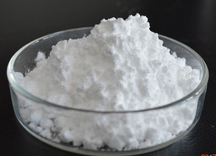
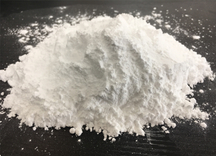
Phthalic Anhydride (PA) is a white crystalline compound synthesized through the oxidation of naphthalene or ortho-xylene. It is characterized by its high purity levels, often exceeding 99.5%, making it an essential precursor in various chemical applications. In the context of insecticides, PA serves as a building block for producing esters, which enhance the performance and stability of active ingredients.
Chemical Properties and Reactions
The chemical structure of Phthalic Anhydride allows it to participate in various reactions, such as esterification and polymerization. When combined with alcohols, it forms phthalate esters, which are known for their effectiveness in modifying the properties of insecticides. These reactions not only improve the solubility of active ingredients but also enhance their stability and effectiveness against pests.
Advantages of Using Phthalic Anhydride in Insecticides
1. Improved Formulation Flexibility
The unique chemical properties of Phthalic Anhydride (PA) provide formulators with enhanced flexibility in developing insecticide products tailored to specific applications. Its multifunctional nature allows for precise adjustments in formulations, enabling manufacturers to manipulate critical attributes such as viscosity, solubility, and drying time. For example, varying the concentration of PA can significantly alter the flow characteristics of the formulation, which is crucial for achieving optimal sprayability and coverage during application.
Furthermore, the ability to fine-tune the formulation allows for the incorporation of various active ingredients, ranging from conventional chemical pesticides to more innovative biopesticides. This adaptability ensures that the final product can be designed to meet the specific demands of different pest control scenarios, whether in agricultural settings, residential applications, or industrial environments. The result is a versatile portfolio of insecticides that can address a wide array of pest challenges while adhering to strict market standards and regulatory requirements.
2. Enhanced Performance Metrics
The integration of Phthalic Anhydride into insecticide formulations has been shown to lead to substantial improvements in performance metrics that are critical for effective pest management. Key parameters such as knockdown speed—the time taken for the insecticide to incapacitate a target pest—and residual activity—the duration of efficacy post-application—are significantly enhanced through the strategic use of PA.
For instance, formulations containing Phthalic Anhydride can facilitate faster absorption of active ingredients into the target pest's body, leading to quicker knockdown times. This rapid action is essential in scenarios where immediate control of pest populations is necessary, such as in agricultural crops during critical growth phases or in homes where infestations pose health risks. Additionally, the enhanced residual activity ensures that the insecticide remains effective over an extended period, reducing the frequency of reapplications and thus lowering overall costs for users. This characteristic is particularly beneficial for farmers and pest control professionals, as it translates to more efficient pest management strategies.
3. Compliance with Regulatory Standards
In an era of heightened scrutiny regarding chemical products, compliance with regulatory standards is an imperative consideration for manufacturers in the insecticide market. Phthalic Anhydride's role in enhancing both the safety and efficacy of insecticides aids manufacturers in navigating the complex regulatory landscape more effectively. The use of PA can contribute to formulating products that align with increasingly stringent safety and environmental guidelines set forth by regulatory agencies.
Applications of Phthalic Anhydride in Insecticides
1. Agricultural Insecticides
Phthalic Anhydride (PA) plays a pivotal role in the formulation of agricultural insecticides designed to combat a wide range of pests, such as aphids, whiteflies, and other economically significant agricultural nuisances. The incorporation of PA in these formulations is driven by its unique chemical properties that enhance the overall efficacy, stability, and environmental compatibility of insecticides. By improving the absorption and distribution of active ingredients within the pest population, PA-based formulations lead to significant increases in pest control efficiency. This is particularly crucial in agricultural contexts where pest outbreaks can result in substantial crop damage and financial loss. Furthermore, PA formulations are meticulously designed to minimize phytotoxicity, ensuring they do not adversely affect the crops they are intended to protect. This dual benefit results in healthier plants and more robust yields, solidifying the importance of PA as a critical component in contemporary agricultural pest management strategies. Manufacturers are increasingly recognizing the value of PA in developing sustainable solutions that not only protect crops but also contribute to the long-term health of the ecosystem.
2. Household Insecticides
In the realm of household pest control, Phthalic Anhydride emerges as an essential ingredient in formulating insecticides that are both highly effective and safe for residential environments. Formulations aimed at domestic use necessitate a delicate balance between efficacy and safety, particularly in spaces where children and pets reside. PA-based insecticides successfully achieve this equilibrium by providing potent pest control solutions while significantly mitigating risks to non-target organisms. These products often feature advanced formulations that deliver residual protection against common household pests, such as cockroaches, ants, and other unwelcome intruders. The inclusion of PA not only enhances the longevity of the insecticide’s effectiveness but also ensures that homeowners can maintain a pest-free environment without compromising the safety of their indoor spaces. As consumers become increasingly concerned about the impact of chemical treatments on health and safety, the demand for PA-based insecticides that prioritize these factors is expected to grow.
3. Integrated Pest Management (IPM)
Integrated Pest Management (IPM) represents a holistic strategy aimed at controlling pest populations through the synergistic application of various methods, combining biological, cultural, and chemical controls. Phthalic Anhydride-based insecticides are exceptionally well-suited for incorporation into IPM frameworks, as they can be effectively blended with biological control agents and cultural practices, such as crop rotation and habitat manipulation. The reduced toxicity and minimal environmental impact associated with PA formulations are in line with IPM principles, fostering sustainable pest management solutions that prioritize ecological balance. This integration enhances the effectiveness of pest control efforts while promoting long-term environmental health and resilience within agricultural systems. As global agricultural practices evolve towards sustainability, the role of PA in IPM is becoming increasingly prominent, emphasizing its potential to not only manage pest populations effectively but also to preserve the integrity of the environment and agricultural productivity over time. Through the adoption of PA-based formulations, farmers can achieve a sustainable balance between pest control and environmental stewardship, ensuring the health of both crops and ecosystems.
Conclusion
Phthalic Anhydride stands as a key component in the development of effective insecticides within the pharmaceutical and agricultural sectors. Its ability to enhance the efficacy, stability, and environmental compatibility of formulations positions it as an indispensable ingredient in modern pest control strategies. By bridging the gap between medicine and agriculture, Phthalic Anhydride paves the way for innovative solutions that meet the pressing demands of pest management in an increasingly regulated and environmentally conscious world.
As research continues to uncover new applications and benefits of Phthalic Anhydride, manufacturers, including companies like Tainuo Chemical Co., Ltd., are well-positioned to lead the charge in developing cutting-edge insecticides that not only perform effectively but also align with the principles of sustainability and safety. The future of insecticide development lies in the continued exploration of Phthalic Anhydride's potential, ultimately contributing to a healthier and more sustainable environment.