In recent years, the automotive industry has made significant strides in reducing harmful emissions from diesel engines. One of the most effective technologies in this endeavor is Selective Catalytic Reduction (SCR), which utilizes a special solution known as AdBlue urea.
What is SCR AdBlue Urea?
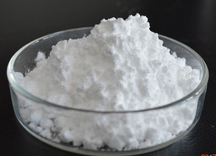
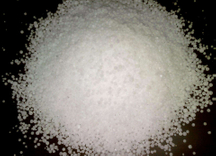
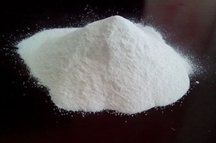
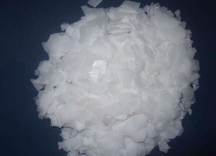
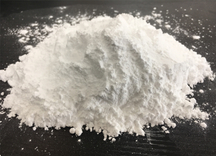
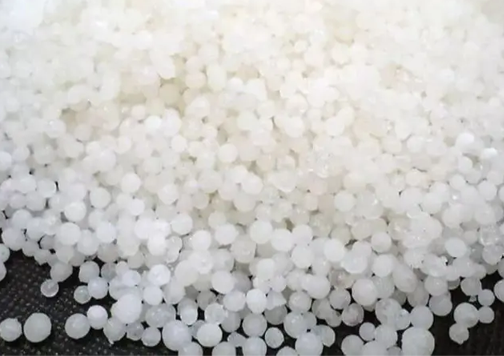
SCR AdBlue urea is a high-purity solution composed of 32.5% urea and 67.5% deionized water. Urea is a compound commonly found in fertilizers and is synthesized from ammonia and carbon dioxide. When used in SCR systems, AdBlue urea serves as a reducing agent that helps convert harmful nitrogen oxides (NOx) emitted from diesel engines into harmless nitrogen and water vapor.
Why Urea?
Urea was chosen for this application because it decomposes at high temperatures into ammonia (NH3), which effectively reacts with NOx in the presence of a catalyst. This reaction occurs in the SCR system, making it a critical component for achieving compliance with stringent emission regulations set by governments worldwide.
How Does SCR AdBlue Urea Work?
Understanding how SCR AdBlue urea operates requires a look at the SCR system itself, which includes several key components: the urea injector, the catalyst, and the exhaust system.
The Process:
Injection: The AdBlue urea solution is injected into the exhaust stream of the diesel engine. This typically happens just before the exhaust gases enter the SCR catalyst. The injection is precisely controlled based on engine conditions, ensuring the right amount of urea is used.
Decomposition: When the exhaust gases heat up the injected urea solution, it decomposes into ammonia (NH3) and carbon dioxide (CO2). This reaction occurs quickly, ensuring that ammonia is available for the subsequent steps.
Reaction: The ammonia then reacts with nitrogen oxides in the SCR catalyst. This process is facilitated by a catalyst, often made of materials like platinum or vanadium, which lowers the energy needed for the reaction. The design of the catalyst is optimized to maximize the conversion efficiency.
Emission Reduction: The chemical reaction between ammonia and NOx converts these harmful gases into harmless nitrogen (N2) and water (H2O), which are naturally occurring components of the atmosphere. This transformation is critical for achieving the low emission targets required by regulations.
The Overall Reaction:
The SCR process can be summarized in the following equation:
![]()
This reaction illustrates how four molecules of nitrogen oxide and four molecules of ammonia yield four molecules of nitrogen and six molecules of water.
Applications of SCR AdBlue Urea
1. Heavy-Duty Trucks
The transportation industry is a significant contributor to air pollution, particularly from diesel engines. Heavy-duty trucks often operate under stringent emission regulations, making SCR technology indispensable. By using SCR AdBlue urea, these trucks can effectively reduce NOx emissions, helping fleet operators comply with environmental standards while maintaining performance.
Heavy-duty trucks equipped with SCR systems not only contribute to cleaner air but also enhance fuel efficiency. These vehicles can run at higher temperatures and pressures, optimizing their performance without compromising on power.
2. Passenger Vehicles
Many modern diesel cars are equipped with SCR systems that utilize AdBlue urea. This technology allows these vehicles to meet strict emissions requirements without sacrificing fuel efficiency or performance. For everyday drivers, understanding how to maintain and refill the AdBlue reservoir can lead to longer vehicle life and cleaner air.
Passenger vehicles utilizing SCR technology often come with dashboard indicators to alert drivers when the AdBlue level is low. This feature ensures that drivers remain aware of their vehicle's emissions system, encouraging timely refills.
3. Construction and Agricultural Equipment
Heavy machinery, such as bulldozers, excavators, and tractors, often rely on diesel engines. Using SCR AdBlue urea in these machines ensures they meet emissions standards, making them more environmentally friendly. This is particularly crucial in sectors like agriculture and construction, where machinery operates in close proximity to communities.
In agricultural applications, the adoption of SCR technology not only helps in compliance but also improves the overall sustainability of farming practices. This is increasingly important as consumers become more conscious of the environmental impacts of agriculture.
4. Marine Applications
Some marine vessels also utilize SCR technology combined with AdBlue urea to minimize their ecological impact. By implementing this technology, ships can reduce NOx emissions significantly, contributing to cleaner oceans and air quality. The maritime industry faces increasing regulatory pressure, making SCR systems vital for compliance with international standards.
In marine applications, the use of SCR technology helps ship operators avoid penalties and maintain a good standing with regulatory bodies. Additionally, it supports the industry's efforts to protect marine ecosystems from pollution.
Benefits of SCR AdBlue Urea
1. Environmental Impact
The most significant advantage of SCR AdBlue urea is its ability to significantly reduce harmful emissions. By converting NOx into harmless nitrogen and water, SCR systems play a crucial role in meeting air quality standards and improving overall public health. This technology is essential for combating air pollution, particularly in urban areas where diesel engines are prevalent.
2. Compliance with Regulations
Governments worldwide have enacted strict emission regulations for diesel engines. Using SCR AdBlue urea helps manufacturers and fleet operators comply with these regulations, avoiding hefty fines and penalties while promoting a greener image. As emission standards become more stringent, the role of SCR technology will only increase.
3. Enhanced Performance
SCR technology allows diesel engines to operate more efficiently, as it enables them to run at higher temperatures and pressures. This can lead to improved fuel economy, giving vehicle owners more miles per gallon. Additionally, by reducing emissions without compromising power, SCR-equipped vehicles can deliver better performance in demanding conditions.
4. Extended Engine Life
By reducing harmful emissions, SCR systems can help protect the engine and its components. Lower levels of NOx and particulate matter mean less wear and tear, contributing to a longer lifespan for the vehicle. This is particularly important for fleet operators, as longer-lasting vehicles can lead to significant cost savings.
5. Public Health Benefits
Reducing NOx emissions has direct health benefits for communities. Lower levels of air pollutants can lead to decreased respiratory issues, improved overall health outcomes, and a better quality of life. By adopting SCR technology, the automotive industry contributes to public health improvements on a broad scale.
Conclusion
SCR AdBlue urea plays a vital role in the automotive industry, particularly in reducing harmful emissions from diesel engines. By understanding how it works and its applications across various sectors, vehicle owners and operators can appreciate the importance of this technology in promoting a cleaner, more sustainable environment.
Tainuo Chemical Co., Ltd stands out as a reliable provider of high-quality AdBlue solutions that ensure your SCR system functions effectively. Their commitment to quality and compliance makes them an ideal partner for fleet operators and individual vehicle owners alike.
Ultimately, the adoption of SCR technology and the use of AdBlue are steps toward a more sustainable future. As the automotive industry continues to innovate, consumers can expect cleaner, more efficient vehicles that benefit both the environment and public health.