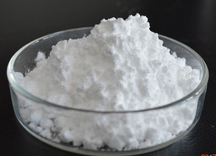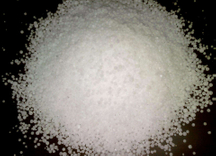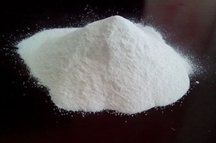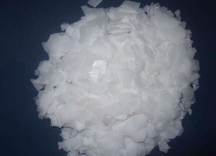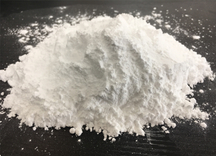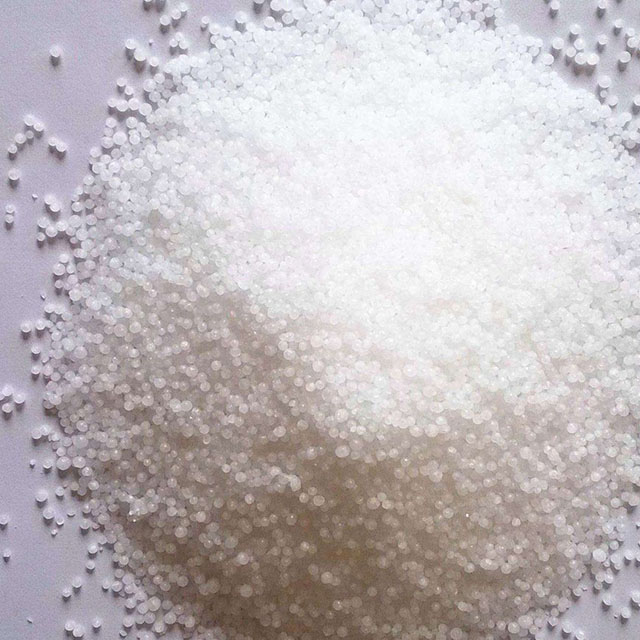
Urea (also known as carbamide) is an organic compound that is commonly used as a nitrogen fertilizer in agriculture. It contains a high concentration of nitrogen, which plants need to grow and develop. In addition to its agricultural applications, urea is used in the production of plastics, adhesives, and in automotive systems (specifically in the form of Adblue Grade Urea for reducing vehicle emissions).
Urea is produced synthetically in industries through the reaction of ammonia and carbon dioxide. The resulting compound is a solid white crystalline substance or a clear, colorless liquid, depending on its application.
Types of Urea:
Agricultural Grade Urea: This is the most common form used for fertilization. It is available in both granular and liquid forms.
Granular Urea: A dry, solid form of urea that is widely used in agricultural applications for crop growth.
Adblue Grade Urea: A high-purity liquid urea solution used in automotive emissions systems, specifically for reducing nitrogen oxides in diesel engine exhausts.
Industrial Grade Urea: Used in various industrial processes, such as the production of resins, plastics, and chemicals.
What's Used to Make Urea?
The main raw materials required for urea production are ammonia (NH3) and carbon dioxide (CO2). These materials are readily available in industrial settings, and the process of combining them to produce urea is efficient and widely established.
Ammonia (NH3): Ammonia is a compound made of nitrogen and hydrogen. It serves as the primary source of nitrogen for urea production.
Carbon Dioxide (CO2): Carbon dioxide is the second essential ingredient, contributing carbon to the urea molecule.
Both ammonia and carbon dioxide are produced in large quantities in industries, making them ideal for urea manufacturing. The two react together in a high-pressure, high-temperature environment to create urea.
The Main Chemical Reactions Behind Urea
The chemical reactions behind urea production are fundamental to understanding the manufacturing process. The process starts with the synthesis of ammonia, which is then reacted with carbon dioxide to form urea.
1. Ammonia Synthesis:
Ammonia is produced through the Haber-Bosch process, which involves combining nitrogen (from the air) with hydrogen (from natural gas or other sources) under high pressure and temperature to form ammonia.
N2+3H2→HighPressure,Temperature2NH3N_2 + 3H_2 \xrightarrow{High Pressure, Temperature} 2NH_3N2+3H2HighPressure,Temperature2NH3
2. Carbon Dioxide (CO2) Capture:
Carbon dioxide is typically captured from various industrial processes, such as the reforming of natural gas or from other emission sources.
3. Formation of Urea:
Once ammonia is produced, it is reacted with carbon dioxide in the urea synthesis reactor. The reaction is carried out under high pressure (150 to 250 atm) and temperatures of around 170°C to 190°C. This results in the formation of ammonium carbamate, which is then dehydrated to produce urea.
The reaction for urea formation can be written as:
2NH3+CO2→HighPressure(NH2)2CO+H2O2NH_3 + CO_2 \xrightarrow{High Pressure} (NH_2)_2CO + H_2O2NH3+CO2HighPressure(NH2)2CO+H2O
This chemical process results in urea and water as byproducts. The urea is then separated and purified to remove any excess ammonia or carbon dioxide.
Purification & Concentration
After urea is formed, it undergoes purification and concentration to remove any impurities such as excess ammonia or carbon dioxide. This is usually done using a combination of cooling, evaporation, and filtration methods. The liquid urea solution is concentrated to the desired strength, depending on the application.
For example:
In Agricultural Grade Urea, the urea solution is concentrated and sometimes mixed with other ingredients to create a solid or liquid fertilizer.
In Industrial Grade Urea, the final product is often in a high-purity form for use in resins, plastics, or other industrial chemicals.
Turning Liquid Urea into Solid Granules
Granular urea is one of the most common forms of urea used in agriculture. To convert liquid urea into solid granules, a series of steps are used to shape, dry, and cool the urea solution into solid form.
1. Spray Drying:
One common method of turning liquid urea into granules is through spray drying. The urea solution is atomized into tiny droplets and then sprayed into a hot drying chamber. The heat evaporates the water content, leaving behind solid urea granules.
2. Granulation:
Another method is through granulation, where the urea solution is mixed with additional ingredients and agitated until it forms small granules. These granules are then dried to remove any remaining moisture.
The result is granular urea, which is easy to handle, store, and apply. It is the preferred form of urea for large-scale agricultural use because it is stable and has a slow release of nitrogen over time.
Where Is Urea Used?
Urea is used in a variety of industries, but its primary application is in agriculture. Here are some of the main uses of urea:
1. Agriculture
The largest use of urea is in agriculture, where it serves as a high-nitrogen fertilizer. Granular urea is widely applied to crops like rice, wheat, and maize to provide essential nitrogen, which aids in plant growth and boosts crop yields. Agricultural Grade Urea is the most common form of urea used for this purpose.
2. Adblue Grade Urea
Adblue grade urea is used in the automotive industry, particularly in diesel engines. It is part of a selective catalytic reduction (SCR) system that helps reduce harmful nitrogen oxide (NOx) emissions from diesel engines. Adblue is injected into the exhaust stream to break down NOx into nitrogen and water vapor, making it environmentally friendly.
3. Industrial Grade Urea
Industrial grade urea is used in a variety of industrial applications, including the production of plastics, adhesives, and resins. It is also used in the manufacturing of certain chemicals and for the production of urea-formaldehyde resins, which are used in plywood and particle board manufacturing.
4. Feed Industry
Urea is used as a source of nitrogen in animal feed, particularly in ruminant livestock like cattle. It is a key ingredient in non-protein nitrogen (NPN) supplements that help cows digest fibrous plant material and improve their growth rates.
Step-by-Step Urea Manufacturing Process
The urea manufacturing process can be summarized in the following steps:
Ammonia Production: Ammonia is produced using the Haber-Bosch process by reacting nitrogen and hydrogen under high pressure and temperature.
Carbon Dioxide Production: Carbon dioxide is captured from various industrial processes, such as natural gas reforming.
Urea Synthesis: Ammonia is reacted with carbon dioxide in the urea synthesis reactor, forming ammonium carbamate, which is dehydrated to produce urea.
Purification: The urea solution is purified to remove excess ammonia and carbon dioxide.
Concentration: The urea solution is concentrated to the desired strength.
Granulation/Granule Formation: Liquid urea is converted into solid granules through spray drying or granulation.
Drying and Cooling: The granules are dried and cooled to form the final product.
Final Thoughts
The urea manufacturing process is an essential part of the global fertilizer industry, providing vital nutrients to crops and supporting industries that rely on urea for other applications, such as Adblue grade urea for emission control or Industrial grade urea for the chemical industry. Understanding the process, from ammonia production to granulation, helps ensure that urea is produced efficiently and in a way that meets the needs of various sectors.
Whether you are looking for Agricultural Grade Urea to improve crop yields or Industrial Grade Urea for chemical processes, understanding the urea manufacturing process and its applications can help you make informed decisions about its use.
FAQs
1. What is the main difference between Agricultural Grade Urea and Industrial Grade Urea?
Agricultural Grade Urea is primarily used as a fertilizer in agriculture, providing nitrogen to crops. Industrial Grade Urea, on the other hand, is used in manufacturing processes, such as the production of plastics, resins, and other chemicals.
2. Is Adblue grade urea the same as agricultural urea?
No, Adblue grade urea is a higher purity form of urea designed specifically for use in diesel engines to reduce nitrogen oxide emissions, while agricultural urea is used primarily for fertilizing crops.
3. What is the environmental impact of urea production?
The production of urea can result in greenhouse gas emissions, including carbon dioxide. However, technologies are being developed to reduce the environmental impact, such as using cleaner energy sources in ammonia production and optimizing urea application in agriculture to minimize nitrogen runoff.