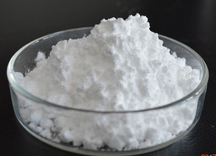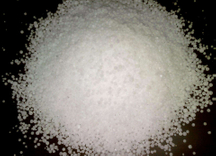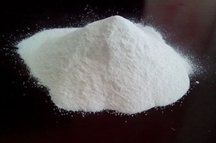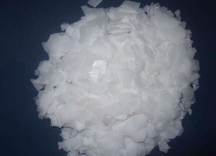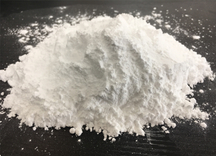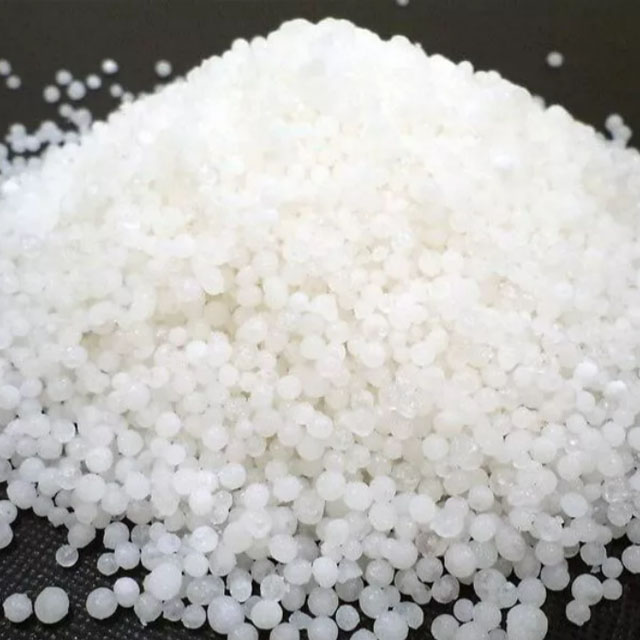
Urea (chemical formula: (NH2)2CO) is an organic compound produced through the metabolism of nitrogen-containing substances in living organisms. It is a white, crystalline substance that is highly soluble in water. Urea is primarily used as a nitrogen source in fertilizers, but it also plays a significant role in other industries, such as automotive, pharmaceuticals, and plastics manufacturing.
The compound was first synthesized in 1828 by Friedrich Wöhler, who successfully created urea from ammonium cyanate, a process that demonstrated the potential of synthetic chemistry. Today, urea is produced synthetically on a large scale, mainly through the Haber-Bosch process, which combines ammonia (NH3) and carbon dioxide (CO2) under high pressure and temperature to form urea.
What are the Main Uses of Urea?
Urea is a highly versatile compound with applications in various sectors. While it is primarily used in agriculture, its industrial applications are just as important. Below, we discuss the major uses of urea and its various grades.
1. Agricultural Use – Fertilizer
The largest share of urea production worldwide is used as a nitrogen fertilizer. Agricultural Grade Urea is used to supply plants with the nitrogen they need for growth. Nitrogen is an essential nutrient for plants, playing a crucial role in photosynthesis, protein synthesis, and overall plant health. Urea is widely regarded as one of the most efficient sources of nitrogen for crops.
Granular urea is the most common form used in agriculture, as it is easy to handle, store, and apply to the soil. Farmers can apply it using broadcasting techniques, or it can be used in controlled-release formulations for slow and steady nitrogen release. Granular urea is often applied to fields growing a variety of crops, such as wheat, rice, corn, and vegetables.
2. Industrial Applications
In addition to its use in agriculture, urea is also a key ingredient in various industrial products. Some of the primary industrial uses of urea include:
Adblue Grade Urea: One of the most significant industrial uses of urea is in the automotive industry, specifically in the production of Adblue. Adblue is a high-purity urea solution that is used in selective catalytic reduction (SCR) systems to reduce nitrogen oxide (NOx) emissions in diesel engines. The use of Adblue helps reduce harmful emissions from vehicles, improving air quality and compliance with environmental regulations.
Urea in Plastics: Urea is used in the production of urea-formaldehyde resins, which are commonly found in molded plastics, adhesives, and coatings. These resins are used in the manufacturing of durable products such as furniture, kitchenware, and construction materials.
Urea in Chemicals: Industrial grade urea is used as a feedstock for producing other chemicals like melamine, which is used in the production of laminates, adhesives, and coatings.
3. Feed Industry
Urea is also used in animal feed as a source of non-protein nitrogen (NPN). Ruminants like cattle, sheep, and goats have a unique ability to digest urea, converting it into protein through microbial action in their stomachs. Urea is often included in livestock feed to enhance nitrogen intake, especially when protein sources are scarce or expensive.
4. Pharmaceuticals and Healthcare
Urea is used in the pharmaceutical industry to create certain medications and medical treatments. Urea is a key ingredient in topical creams, ointments, and lotions used for skin conditions like eczema, psoriasis, and dry skin. Its ability to hydrate and soften skin makes it a valuable ingredient in skincare products.
5. Textile and Leather Industry
In the textile industry, urea is used as a reagent in dyeing and finishing processes. It helps improve the quality of fabrics and leather products by acting as a stabilizer and improving the reaction between dyes and textiles. Additionally, urea is used in the leather industry for softening and conditioning leather goods.
6. Oil and Gas Industry
Urea is used in the oil and gas industry for various purposes, including controlling sulfur emissions. It is used in the SCR systems of power plants and industrial facilities to reduce harmful emissions. Additionally, urea is used in oil drilling as part of hydraulic fracturing fluids (fracking) to improve the flow of materials.
Simple Definition of Synthetic Urea – How It Is Made and Its Uses
Synthetic urea is created through the reaction of ammonia (NH3) and carbon dioxide (CO2) in a high-pressure, high-temperature environment. The resulting product, urea, is then purified and processed into various forms, including Agricultural Grade Urea, Granular Urea, and Industrial Grade Urea.
The Manufacturing Process:
Ammonia Production: The first step involves producing ammonia through the Haber-Bosch process, where nitrogen from the air reacts with hydrogen from natural gas under high pressure to form ammonia gas.
Carbon Dioxide Capture: Carbon dioxide is often sourced from industrial processes such as natural gas reforming or from carbon capture technologies.
Urea Synthesis: The ammonia and carbon dioxide are combined in a high-pressure reactor, where they form ammonium carbamate, which is then dehydrated to produce urea.
Purification and Granulation: After the urea is formed, it undergoes purification to remove impurities and excess ammonia. The liquid urea solution is then concentrated and converted into solid granules through spray drying or granulation techniques.
Final Processing: The final urea product is classified into various grades depending on its intended use, such as Agricultural Grade Urea, Adblue grade urea, or Industrial grade urea.
Urea in Crops
Urea is primarily used in agriculture as a fertilizer, providing essential nitrogen to crops. The application of Agricultural Grade Urea helps improve soil fertility and boost crop yields. Granular urea is the most commonly used form in agriculture because it is easy to apply and store. The urea is typically spread over the soil, where it dissolves and releases nitrogen that plants can absorb through their roots.
Nitrogen in Urea:
Nitrogen is a vital nutrient for plants, helping to promote healthy growth, strong root development, and lush green leaves. Urea is a high-concentration nitrogen fertilizer, containing approximately 46% nitrogen. This makes it an ideal choice for crops like wheat, rice, maize, and vegetables that require a significant amount of nitrogen to grow effectively.
Application Methods:
Granular Urea: The most common method of applying Granular Urea is through broadcasting, where the fertilizer is spread evenly across the soil, followed by irrigation to help it dissolve. It can also be applied as a top dressing or incorporated into the soil using machinery like spreaders or tillers.
Liquid Urea: Liquid urea is sometimes used in fertigation systems, where it is dissolved in irrigation water and applied directly to crops. This method allows for more precise application and reduces the risk of over-application.
Conclusion
Urea is an essential compound in various industries, with its primary use being in agriculture as a high-nitrogen fertilizer. It provides essential nutrients for crops, helping them grow and thrive. The urea manufacturing process involves the synthesis of ammonia and carbon dioxide, which results in a compound that can be purified and converted into Agricultural Grade Urea, Granular Urea, or Industrial Grade Urea. Beyond agriculture, urea is used in industrial applications, pharmaceuticals, animal feed, and even emissions control.
Whether you're using urea as fertilizer, for emissions control in vehicles with Adblue, or in industrial processes, its versatility and efficiency make it indispensable in modern society. The type of urea you choose—Granular Urea, Industrial Grade Urea, or Adblue grade urea—depends on your specific needs, but understanding the different forms and uses of urea will help you select the most suitable one for your application.
FAQs
1. What is the difference between Agricultural Grade Urea and Industrial Grade Urea?
Agricultural Grade Urea is primarily used as a fertilizer for crops, while Industrial Grade Urea is used in the production of chemicals, plastics, and resins.
2. Can urea be used in both liquid and granular forms?
Yes, urea can be applied as both Granular Urea and liquid urea, depending on the application method and the needs of the crops.
3. Is Adblue grade urea the same as Agricultural Grade Urea?
No, Adblue grade urea is a highly purified form of urea used in vehicles to reduce emissions, while Agricultural Grade Urea is used for fertilization in agriculture.
4. Why is urea important in agriculture?
Urea is essential in agriculture because it provides nitrogen, which is a critical nutrient for plant growth, improving soil fertility and boosting crop yields.