Melamine is a versatile chemical compound that has found widespread use in a variety of industries, from construction and automotive to consumer goods. Its unique properties make it highly suitable for applications like furniture, kitchenware, and laminate surfaces. However, the process of making melamine and understanding its ingredients can often be misunderstood. In this article, we’ll dive into the production of melamine, its core ingredients, and the key processes involved.
What is Melamine?
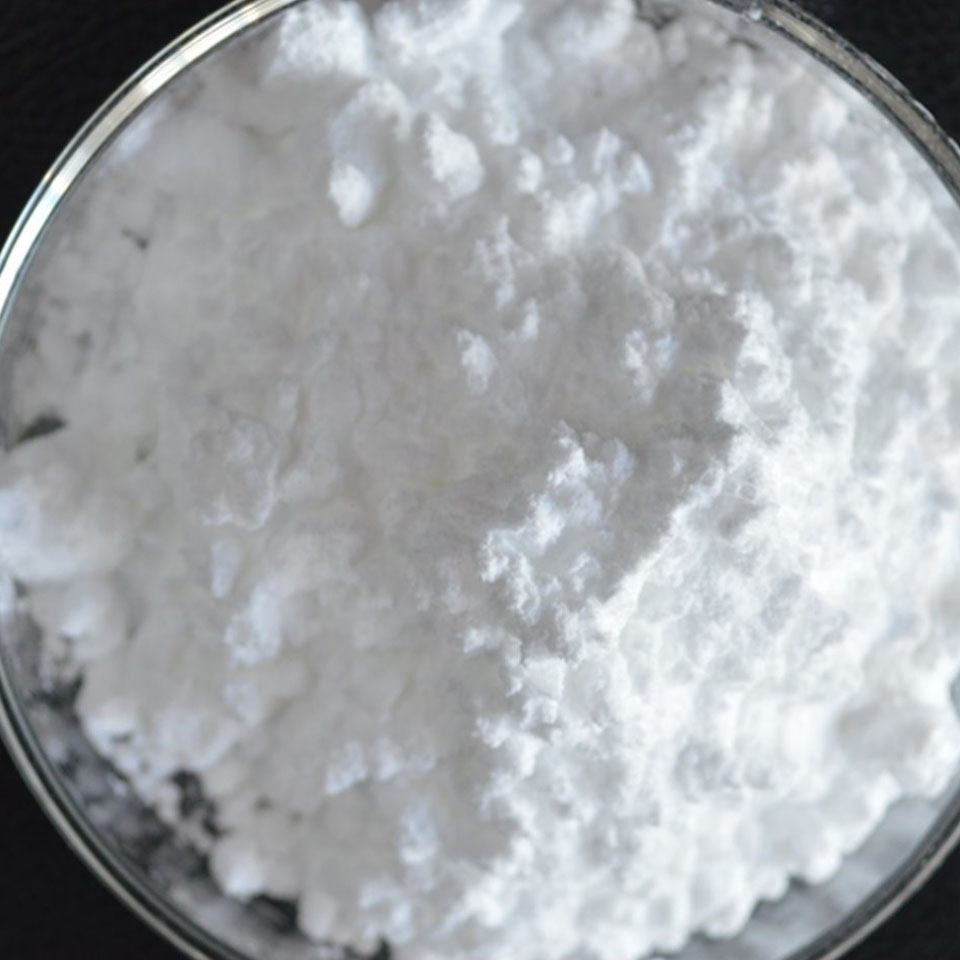
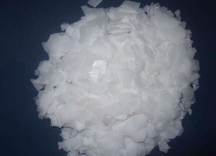
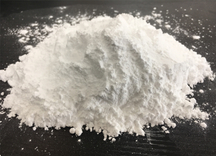
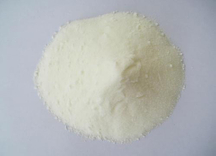
Melamine is a nitrogen-rich organic compound primarily derived from urea. It is a white crystalline substance that is widely used in the production of melamine resins, adhesives, and other materials. Melamine's chemical formula is C3H6N6, and it plays a key role in the creation of durable plastics and coatings.
Melamine is commonly produced through a process known as the “melamine process,” which involves chemical reactions between urea and other substances. Due to its strong thermal properties, resistance to heat, and low toxicity, melamine finds applications in various industries, especially in the production of laminates, adhesives, and decorative surfaces.
The Basic Ingredients of Melamine
The primary ingredient used to produce melamine is urea, a compound that is widely available and commonly used in fertilizers. Urea is reacted with ammonia and heat to produce melamine. This process is the foundation of melamine production.
The ingredients involved in the melamine production process include:
Urea: This is the starting material that contains nitrogen, which is essential for the formation of melamine.
Ammonia: This chemical is used in the production of melamine, assisting in the chemical reactions that lead to melamine formation.
Heat and Pressure: These are critical factors in converting urea into melamine through a high-temperature, high-pressure reaction.
Once urea is processed with ammonia and exposed to high temperatures, the compound undergoes a series of transformations that result in the formation of melamine powder.
The Production Process of Melamine
The production process of melamine involves a series of complex chemical reactions that convert urea into melamine powder. These reactions require controlled conditions of heat and pressure to ensure the desired quality and properties of the melamine product.
Here’s a breakdown of the process:
Synthesis of Urea: The first step is the production of urea, which is derived from ammonia and carbon dioxide in the Haber process.
Formation of Cyanuric Acid: Urea is then converted into cyanuric acid, a key intermediate in melamine synthesis.
Ammonolysis of Cyanuric Acid: Cyanuric acid undergoes ammonolysis, reacting with ammonia under high pressure to form melamine.
Purification: The raw melamine is then purified to remove impurities and ensure it meets the required specifications.
Drying and Powdering: Finally, the purified melamine is dried and ground into a fine powder, ready for use in various industrial applications.
This process is energy-intensive, and companies have developed technologies to optimize energy consumption while maintaining the quality of the final product.
Melamine Formaldehyde: The Resin Compound
Melamine formaldehyde is a widely used resin compound formed by the reaction of melamine with formaldehyde. This resin is commonly used in the production of laminated surfaces, adhesives, and molded plastics.
Melamine formaldehyde resin is highly durable, resistant to heat and chemicals, and can be molded into various shapes. The production process of melamine formaldehyde typically involves mixing melamine powder with formaldehyde in the presence of a catalyst, followed by curing to form a hard, durable material.
Uses and Applications of Melamine
Melamine is used in a wide variety of applications across industries, including furniture, automotive, and construction. Here are some of the primary uses:
Laminates: Melamine is widely used in the production of laminated surfaces, such as countertops, flooring, and furniture. The resin provides a durable, high-gloss finish that is resistant to stains and scratches.
Kitchenware: Melamine is used in the production of kitchen items such as plates, bowls, and cups due to its durability, resistance to heat, and ease of cleaning.
Adhesives and Sealants: Melamine-based adhesives are used in construction, woodworking, and automotive industries for bonding materials like wood and plastic.
Molded Plastics: Melamine is used to create molded plastics for automotive components, electrical insulations, and other specialized products.
Environmental Considerations of Melamine Production
The production of melamine can have environmental impacts, particularly in terms of energy consumption and waste generation. Melamine production requires significant amounts of energy, and if not managed properly, it can lead to the release of harmful emissions into the environment.
To mitigate these impacts, companies have adopted cleaner production technologies and recycling methods. Some melamine producers have invested in energy-efficient equipment and processes to reduce their carbon footprint. Additionally, responsible disposal of waste materials is an essential aspect of minimizing the environmental impact of melamine production.
Health and Safety Issues Associated With Melamine
While melamine is generally safe when used as intended, there are health and safety concerns associated with its production and use. Inhalation of melamine dust or prolonged exposure to melamine resins may pose health risks. Moreover, melamine has been associated with food safety concerns, particularly when used in the manufacture of melamine-based dinnerware.
In high doses, melamine can be toxic to humans, especially when ingested or inhaled. For this reason, safety standards are in place to limit exposure during manufacturing and ensure that melamine products are safe for consumers.
Competitor Perspectives on Melamine Production
Companies involved in the production of melamine offer valuable insights into its production and uses. Here are some perspectives from different platforms:
Sinotainuo: Sinotainuo highlights the versatility of melamine and its role in producing melamine molding powders and lamination melamine powders. The company emphasizes the importance of quality control in producing melamine powder with consistent properties for various applications.
Elchemy: Elchemy stresses the importance of melamine in the production of high-quality adhesives and resins. They focus on the importance of melamine-based laminates in industries like construction and furniture manufacturing, where durability and resistance to heat are crucial.
Conclusion
Melamine is a versatile compound with a range of applications in industries such as construction, automotive, and consumer goods. The production of melamine involves a complex process of chemical reactions, primarily driven by urea and ammonia. Despite its widespread use, there are environmental and health considerations that need to be managed properly. By understanding the ingredients and the production process, businesses can ensure that melamine-based products are used efficiently and safely.