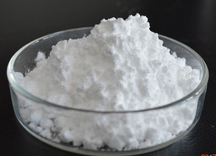
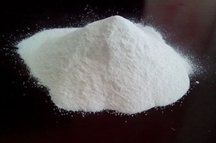
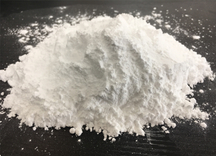
The fundamental difference lies in their state and utility: Melamine Powder serves as the versatile raw chemical base used to create various resins and compounds, whereas Melamine Moulding Powder is a pre-formulated, ready-to-use compound specifically engineered for compression or injection moulding processes to produce durable, thermoset plastic products.
Understanding these distinctions not only optimizes production efficiency but also ensures that the final goods meet the necessary safety, aesthetic, and durability standards. In this article, we will delve deep into the chemical composition, industrial applications, and processing requirements of both materials, providing you with a clear roadmap for your procurement strategy.
Table of Contents
Section | Summary |
What is Melamine Powder? | Defines the pure chemical form and its role as a precursor in resin synthesis. |
What is Melamine Moulding Powder? | Explains the formulation process of adding fillers to create a mouldable compound. |
Key Differences in Chemical Composition | Compares the purity levels and the addition of catalysts or pigments. |
Manufacturing and Processing Methods | Describes how each material is handled in industrial equipment. |
Primary Industrial Applications | Highlights the end-use products for both categories. |
Selecting the Right Material for Your Needs | Provides a decision-making framework for purchasing. |
What is Melamine Powder?
Melamine Powder is a pure, nitrogen-rich organic compound that functions as the essential raw chemical building block used primarily in the synthesis of melamine-formaldehyde resins.
Melamine Powder acts as a versatile intermediate in the chemical industry. Because of its high nitrogen content and structural stability, it is widely utilized to create various types of resins, adhesives, and laminates. When manufacturers purchase high-quality melamine raw material, they are essentially acquiring a chemical platform upon which complex plastic and coating formulations are built.
This material is a fine, white crystalline powder that is relatively stable under normal atmospheric conditions. Its primary function is to react with formaldehyde under specific temperature and pressure conditions to create polycondensation products. These products are then used across a variety of sectors, ranging from wood-based panel manufacturing to the creation of high-performance surface coatings.
It is critical to note that while this chemical is essential, its handling requires strict adherence to industry safety standards. Professionals often research if these chemicals are safe for consumer goods, as seen in discussions regarding the status of melamine regulations. Understanding the chemical nature of this base powder is the first step in identifying whether your manufacturing process requires a pure precursor or a pre-formulated compound.
What is Melamine Moulding Powder?
Melamine Moulding Powder is a specialized, ready-to-use thermosetting compound created by combining pure Melamine Powder with cellulose fillers, pigments, curing agents, and lubricants to create a material suitable for direct moulding.
Unlike the base chemical, which requires further reaction with formaldehyde to become useful, Melamine Moulding Powder is already a "partially reacted" or formulated material. It is designed to be fed directly into moulding machines. The inclusion of cellulose—a fibrous filler—provides the necessary mechanical strength and structural integrity required for finished products like dinnerware or electrical components.
The process of creating this powder involves precise mixing ratios to ensure that the material cures uniformly during the heat-and-pressure cycle of a press. Because the compound is already formulated, manufacturers do not need to manage the complex chemical reactions of condensation themselves; instead, they focus on the physical process of shaping and hardening the material within a mold.
This makes the moulding powder an indispensable asset for factories that specialize in mass-producing consumer goods. When looking for reliable moulding compounds for production, manufacturers typically look for specific grades that offer consistent flow, fast curing times, and superior surface finish, all of which are built into the moulding powder formulation.
Key Differences in Chemical Composition
The primary difference in composition is that Melamine Powder is a singular pure chemical compound, whereas Melamine Moulding Powder is a complex mixture containing 30% to 70% melamine resin combined with various functional additives.
The pure chemical form, Melamine Powder, has a formula of $C_3H_6N_6$. Its purity is the most important metric, as impurities can cause inconsistent results in downstream resin synthesis. In a laboratory or chemical plant setting, maintaining a high level of purity in this raw material is essential for predicting the reaction rate when it is combined with formaldehyde.
In contrast, the moulding variety is a high-performance composite material. Its formulation is engineered to satisfy specific physical properties. Common additives include:
Cellulose: Added to improve tensile strength and impact resistance.
Pigments: Used to provide the wide range of colors seen in household products.
Curing Agents: Catalysts that accelerate the polymerization when heat is applied in the press.
Lubricants: These ensure that the finished product can be easily released from the mold without defects.
When evaluating the chemical profile, it is important to distinguish between these two for regulatory compliance. While industries debate the safety of these products, much of the conversation centers on the migration of chemicals from finished items, a concern often addressed by checking if the regulations regarding melamine use are being met by the finished goods manufacturer.
Manufacturing and Processing Methods
While Melamine Powder is processed through chemical reactors to form liquid resins or glues, Melamine Moulding Powder is processed through thermal compression or injection moulding equipment to create solid shapes.
Processing the pure chemical involves a series of chemical synthesis steps. Manufacturers must carefully control the molar ratio of melamine to formaldehyde, the pH level of the solution, and the temperature of the reaction vessel. This results in a liquid resin that can be used for impregnating decorative papers, wood gluing, or manufacturing laminates. This process is strictly for chemical manufacturing facilities with specialized laboratory support.
The moulding variety, however, is designed for the factory floor rather than the chemical lab. The process involves:
Pre-heating: The powder is often pre-heated to remove moisture and improve flow.
Charging: The material is placed into a pre-heated steel mold.
Compression: A hydraulic press applies extreme pressure, forcing the powder to flow into the intricate details of the mold.
Curing: Heat causes the chemical reaction to complete, locking the shape into a durable, heat-resistant solid.
This physical moulding method is why the material must be "formulated" beforehand. If a manufacturer attempted to use pure Melamine Powder in a compression mold, it would not cure into a durable, functional object; instead, it would fail to bond, resulting in a brittle, porous, and useless piece of plastic.
Primary Industrial Applications
Melamine Powder is the foundation for adhesives, paper treatment agents, and laminates, whereas Melamine Moulding Powder is exclusively used for producing durable finished consumer and industrial goods.
The application scope of these two materials varies drastically based on their physical state:
Because the moulding variety results in such high-quality products, it has become a staple in the modern kitchen and electronics sector. When sourcing material for such specific applications, the quality of the moulding compound directly influences the aesthetic appeal and safety of the final product.
Selecting the Right Material for Your Needs
Choosing the correct material depends entirely on whether your business model involves chemical synthesis or finished product manufacturing.
To make the right procurement decision, evaluate your operations against the following criteria:
What is your end goal? If you are manufacturing glues, resins, or laminates, you require Melamine Powder. If you are manufacturing solid plastic parts, you require Melamine Moulding Powder.
What infrastructure do you possess? If you have reactors, heating coils, and precise pH monitoring equipment, you are equipped for chemical synthesis. If you have compression presses, injection moulding machines, and mold cavities, you are equipped for moulding.
What is the required consistency? Moulding powder is sold based on color and flow characteristics, whereas the base chemical is sold based on purity and particle size.
By clearly defining your process, you can ensure that you are buying the correct chemical intermediate or pre-formulated compound. Whether you are dealing with pure chemical supplies or specialized moulding compounds, understanding the chemical lifecycle—from raw synthesis to finished product application—is the key to success in this industry.
Conclusion
The distinction between Melamine Powder and Melamine Moulding Powder is fundamental to the plastics and resin industries. Melamine Powder is the raw chemical precursor, the high-purity nitrogen source that enables the existence of modern resins and glues. Melamine Moulding Powder, meanwhile, is the refined, performance-ready material that translates that chemistry into the durable, everyday items we rely on, from heat-resistant dinnerware to safe electrical housing.
For manufacturers, the choice is clear: assess your production capabilities and your intended end-product to determine which of these materials fits your supply chain. By maintaining a focus on high-quality, industry-grade materials, you can ensure that your manufacturing processes remain efficient, safe, and productive. As with any chemical procurement, always remain updated on the latest international standards and safety guidelines to ensure your business continues to thrive in a competitive and highly regulated market.