The modern industrial manufacturing sector relies heavily on advanced chemical compounds that deliver superior durability, heat resistance, and cost-efficiency. Among these essential raw materials, industrial chemical compounds play a pivotal role in upgrading everyday products from standard construction materials to specialized automotive parts. As global supply chains demand higher performance from surface coatings, molded components, and binding agents, manufacturers must select raw ingredients that withstand extreme environmental stresses while remaining highly processing-efficient.
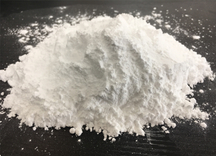
Melamine powder is used in manufacturing and industry because it serves as a fundamental building block for creating highly durable, heat-resistant, and flame-retardant thermosetting resins, surface laminates, industrial coatings, and high-performance adhesives.
Understanding the precise technical mechanisms, chemical reactions, and manufacturing advantages of this versatile white crystalline powder is critical for procurement managers and factory engineers alike. This comprehensive industrial guide explores the profound impact of this material across diverse sectors, detailing its chemical structural benefits, practical application workflows, performance upgrades, and the vital safety standards driving modern B2B production lines.
Table of Contents
Understanding Melamine Powder: A Brief Overview
Chemical Composition and Properties of Melamine Powder
Applications of Melamine Powder in Manufacturing
Melamine Powder in the Production of Laminates and Coatings
Role of Melamine Powder in Adhesives and Resins
Impact of Melamine Powder on Product Performance and Durability
Safety and Environmental Considerations in Melamine Usage
FAQS
Understanding Melamine Powder: A Brief Overview
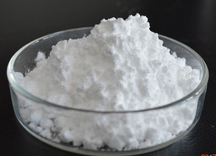
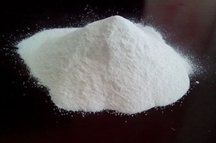
Melamine powder is a high-purity organic base compound rich in nitrogen that serves as a core raw material for formulating thermosetting plastics and industrial resins.
This organic compound appears as a stable white crystalline powder that is primarily synthesized from urea. In the global B2B manufacturing landscape, it is rarely utilized in its raw, isolated state; instead, factories combine it with formaldehyde and various fillers to trigger polymerization, forming cross-linked networks that are incredibly resilient.
The historical transition of this substance from a laboratory chemical to a backbone of heavy industry stems from its exceptional versatility. It bridges the gap between delicate decorative surface aesthetics and heavy-duty industrial structural integrity, making it a staple in modern material engineering.
For manufacturing enterprises seeking reliable chemical inputs, securing a consistent supply of premium raw materials is essential. Factories worldwide rely on high-grade material solutions like the Hot Sale Melamine Powder Shuntian Hualu Industry Grade to ensure their production lines maintain uniform chemical reactivity, optimal synthesis yields, and superior end-product mechanical performance across large-scale manufacturing runs.
Chemical Composition and Properties of Melamine Powder
The chemical composition of melamine powder features a symmetrical heterocycle structure with the molecular formula $C_3H_6N_6$, giving the material its signature thermal stability and structural rigidity.
Molecular Structure and Characteristics
At a molecular level, the compound consists of a 1,3,5-triazine ring substituted with three amino groups. This unique configuration contains 66% nitrogen by mass, which is the primary reason behind its excellent flame-retardant capabilities. When exposed to intense heat, the compound absorbs energy and releases non-flammable nitrogen gas, effectively diluting oxygen concentrations and stifling combustion.
Technical Specification Overview
The physical and chemical performance metrics of industrial-grade material can be systematically analyzed through its standard technical specifications:
The exceptional purity of this raw chemical ensures that when it undergoes condensation reactions with aldehydes, it creates a highly dense, cross-linked thermoset network. This network cannot be remelted or reshaped upon curing, offering distinct advantages over traditional thermoplastic materials that degrade under elevated temperatures.
Applications of Melamine Powder in Manufacturing
The applications of melamine powder span across numerous industrial sectors including consumer goods, automotive engineering, construction materials, textile processing, and electrical insulation manufacturing.
Major Industrial Applications
Plastic Molding Compounds: Used extensively to manufacture compression-molded dinnerware, electrical switchboards, knobs, and heavy-duty terminal blocks.
Construction and Woodworking: Essential for manufacturing medium-density fiberboards, particleboards, and decorative plywood surface laminates.
Paper and Textile Treatment: Applied to fabrics and paper products to impart wrinkle resistance, water repellency, and flame-retardant properties.
The wide-ranging utilization of this chemical input is driven by its adaptability to different processing techniques, including compression molding, spray coating, and liquid saturation. By adjusting the additives, modifiers, and curing temperatures combined with the primary compound, processing engineers can tailor the final material to meet rigid industrial operating requirements.
Furthermore, its high cross-linking density ensures that molded parts maintain their dimensional tolerances even when exposed to high mechanical stress and fluctuating environmental humidity. This makes it an invaluable asset for factories specializing in high-precision engineering components and long-lasting commercial infrastructure products.
Melamine Powder in the Production of Laminates and Coatings
In laminates and surface coatings, melamine powder is synthesized into liquid resins used to saturate decorative papers and form clear, scratch-resistant protective top layers for wood panels and automotive exterior paints.
The Lamination and Coating Production Workflow
The production workflow typically begins by reacting the compound with formaldehyde to generate water-soluble methylol compounds. These intermediate pre-polymers are utilized to impregnate decorative print papers, which are subsequently dried and stacked under high-pressure, high-temperature hydraulic presses onto core substrates like wood composite boards.
Key Performance Benefits in Surface Applications
Scratch and Abrasion Resistance: The cured surface resists micro-scratches from daily industrial and residential usage, preserving underlying patterns.
Chemical and Stain Immunity: Protects substrates against damage from harsh industrial solvents, household cleaning chemicals, acids, and alkalis.
Thermal Insulative Barrier: Prevents localized surface blistering or discoloration when hot items, such as industrial tools or cooking vessels, contact the surface.
This specialized resin technology provides an optimal balance between visual clarity and rugged surface protection. Consequently, the commercial furniture, interior design, and vehicular manufacturing sectors depend heavily on these advanced coatings to deliver high-end aesthetics without sacrificing long-term product lifespans.
Role of Melamine Powder in Adhesives and Resins
The role of melamine powder in adhesives and resins centers on producing Melamine-Formaldehyde (MF) and Melamine-Urea-Formaldehyde (MUF) wood glues that deliver superior moisture resistance and structural bonding power.
Chemistry of Industrial Wood Adhesives
When manufacturing structural wood products, standard urea-based glues are prone to hydrolytic degradation when exposed to moisture or high humidity. By integrating premium Melamine Powder into the chemical formulation, polymer chemists create modified MUF resins that exhibit far greater water resistance and lower overall formaldehyde emissions.
Strategic Structural Advantages
Boiling Water Resistance: Wood composites bonded with modified resins can withstand prolonged submersion in boiling water without suffering delamination.
Enhanced Shear Strength: The high cross-linking density creates robust mechanical anchors within the porous cellulosic fibers of wood veneers.
Extended Storage Life: Formulated spray-dried powders offer superior shelf-life stability, simplifying logistics and storage management for large manufacturing facilities.
These advanced adhesive systems are indispensable for producing exterior-grade plywood, laminated veneer lumber (LVL), and structural wooden beams used in demanding architectural and industrial construction environments.
Impact of Melamine Powder on Product Performance and Durability
Integrating melamine powder significantly boosts the end product's overall performance by providing excellent impact strength, surface hardness, electrical arc resistance, and inherent fire retardancy.
Mechanical and Electrical Enhancements
When added to molding compounds and industrial plastics, this nitrogen-rich chemical completely transforms the baseline characteristics of the polymer matrix. The resultant thermoset parts exhibit exceptional surface hardness numbers that rival certain non-ferrous metals, ensuring they do not warp, dent, or deform under constant mechanical loads.
Core Durability Benchmarks
Electrical Track Resistance: Prevents electrical tracking and carbon arc formation, making it a premier material choice for high-voltage circuit breakers.
Low Thermal Conductivity: Acts as an effective localized thermal barrier, protecting internal sensitive electronic components from external heat sources.
Low Smoke Toxicity: In the event of a fire, the material generates significantly lower amounts of toxic smoke compared to traditional halogenated flame retardants.
This unique combination of mechanical toughness and passive safety properties makes the compound a preferred engineering choice for high-spec industries where component failure is not an option.
Safety and Environmental Considerations in Melamine Usage
Evaluating safety and environmental considerations requires understanding proper industrial factory handling, dust mitigation systems, and compliance with strict international chemical regulatory frameworks.
Industrial Safety and Workplace Exposure
In a modern manufacturing plant, operators handling raw chemical powders must adhere to strict occupational health protocols. Utilizing adequate local exhaust ventilation, personal protective equipment (PPE) such as particulate respirators, and enclosed automated feeding systems minimizes inhalation risks and skin irritation during the initial chemical blending stages.
Regulatory Landscapes and Market Compliance
Global markets maintain precise rules regarding chemical migration and worker safety. For businesses exporting molded goods or chemical formulations to strict regulatory jurisdictions, understanding regional restrictions is critical. For instance, detailed compliance analysis regarding western regulatory frameworks can be reviewed in the industry report exploring Is melamine banned in the US, which clarifies the strict boundary lines between prohibited dietary adulteration and approved, safe industrial component applications.
By keeping production processes aligned with updated global regulatory compliance standards, manufacturing enterprises protect their workforce, eliminate trade friction, and deliver certified, high-performance goods to international buyers.
FAQS
The FAQS section addresses critical technical inquiries regarding chemical solubility, product shelf life, optimal replacement materials, and material safety data guidelines.
What is the solubility profile of industrial melamine powder?
The compound exhibits low solubility in cold water, dissolving at approximately 3.24 grams per liter at $20^\circ\text{C}$. However, its solubility increases significantly in hot water and chemical solvents like ethylene glycol, enabling efficient liquid resin synthesis workflows at elevated operating temperatures.
How does this material contribute to green building certifications?
Modern resin manufacturers formulate low-emission wood binders using advanced cross-linking optimization. These binders minimize residual free-formaldehyde outgassing from finished panels, helping construction materials comply with strict international indoor air quality standards like LEED and CARB Phase 2.
Can raw molding powders be recycled after full thermal curing?
Because it forms a permanent cross-linked thermosetting matrix upon curing, the material cannot be remelted or reshaped. However, cured factory scrap can be mechanically pulverized into fine industrial fillers and re-added into new molding compounds, reducing raw material waste and lowering production footprints.
What are the main differences between standard industrial grade and food contact grade applications?
The core distinction lies in the purity levels, allowable trace heavy metals, and the specific composition of processing additives used during formulation. Manufacturers preparing consumer dinnerware must utilize specific grades designed to pass stringent migration tests, such as those governed by global food contact regulations. For deeper insights into these distinct chemical designations, checking the guide outlining whether melamine banned in the US offers manufacturers clear definitions on compliant versus non-compliant product categorization across global supply lines.
Melamine presents alkalescence, can react with various acidums to generate melamine salt. In strong acid or strong alkali liquor, melamine will hydrolyze---amidocyanogen will be slowly replaced by hydroxyl, thus generate cyanuric acid diacid amide, cyanuric acid monamide, and cyanuric acid. Among them, the reaction of melamine and formalin is the most important part.
Product name:Sodium Hydroxid/Caustic Soda Molecular formula:NaOH Molecular weight:39.996 CAS NO.:1310-73-2 Appearance:White or light yellow shiny solids UN number:1824,1823
Melamine presents alkalescence, can react with various acidums to generate melamine salt. In strong acid or strong alkali liquor, melamine will hydrolyze---amidocyanogen will be slowly replaced by hydroxyl, thus generate cyanuric acid diacid amide, cyanuric acid monamide, and cyanuric acid. Among them, the reaction of melamine and formalin is the most important part.
CAS NO.7632-00-0 Chemical formula:NaNO2 Appearance:White or slightly yellowish solid. Uses:Mainly used in the pharmaceutical and chemical industries and can also be used in heat treatment of metal,early strength agent of cement,antifreezing agent,and etc. Packing:1000kg/bag,50kg/bag,25kg/bag