1.Water solubility. Soluble in cold water, soluble speed can be planed, non-toxic and pollution-free.
2.Unlike other plastic films, water-soluble anti-static film has good static electricity resistance.When it is used for packing products, the plasticity and the electrostatic dust-collecting performance will not be affected.
3.Water-soluble film has strong permeability to water and ammonia, but good barrier to oxygen, nitrogen, hydrogen and carbon dioxide. These characteristics enable them to keep the ingredients and original smell of packaged products intact.
4.Water-soluble heat-sealable packaging film having good heat sealability, heat seal resistance, and is suitable for high-frequency heat-sealing, heat seal strength and the temperature and humidity, pressure, time and other conditions, generally greater than 200g / cm2.
5.Mechanical properties. The mechanical properties of the water-soluble packaging film: strong modulus 2500 ~ 400kg / cm2, tensile strength 400 ~ 200kg / cm2, tearing force 200 ~ 50kg / cm2, elongation 150 ~ 220%.
6.Oil-resistant and chemical-resistant water-soluble packaging film has good oil resistance (vegetable oil, animal oil, mineral oil), fat, organic solvent and carbohydrate, but strong alkali, strong acid, chlorine free radical and other with PVA chemical reaction, such as borax, boric acid, certain dyes, such substances recommended not to use water soluble film package.
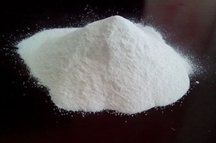
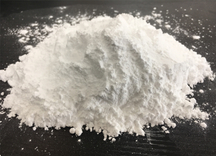
Melamine presents alkalescence, can react with various acidums to generate melamine salt. In strong acid or strong alkali liquor, melamine will hydrolyze---amidocyanogen will be slowly replaced by hydroxyl, thus generate cyanuric acid diacid amide, cyanuric acid monamide, and cyanuric acid. Among them, the reaction of melamine and formalin is the most important part.
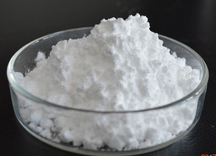
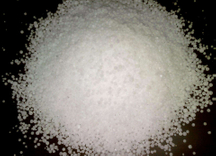
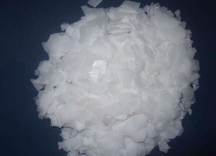
Product name:Sodium Hydroxid/Caustic Soda Molecular formula:NaOH Molecular weight:39.996 CAS NO.:1310-73-2 Appearance:White or light yellow shiny solids UN number:1824,1823
Melamine presents alkalescence, can react with various acidums to generate melamine salt. In strong acid or strong alkali liquor, melamine will hydrolyze---amidocyanogen will be slowly replaced by hydroxyl, thus generate cyanuric acid diacid amide, cyanuric acid monamide, and cyanuric acid. Among them, the reaction of melamine and formalin is the most important part.
CAS NO.7632-00-0 Chemical formula:NaNO2 Appearance:White or slightly yellowish solid. Uses:Mainly used in the pharmaceutical and chemical industries and can also be used in heat treatment of metal,early strength agent of cement,antifreezing agent,and etc. Packing:1000kg/bag,50kg/bag,25kg/bag