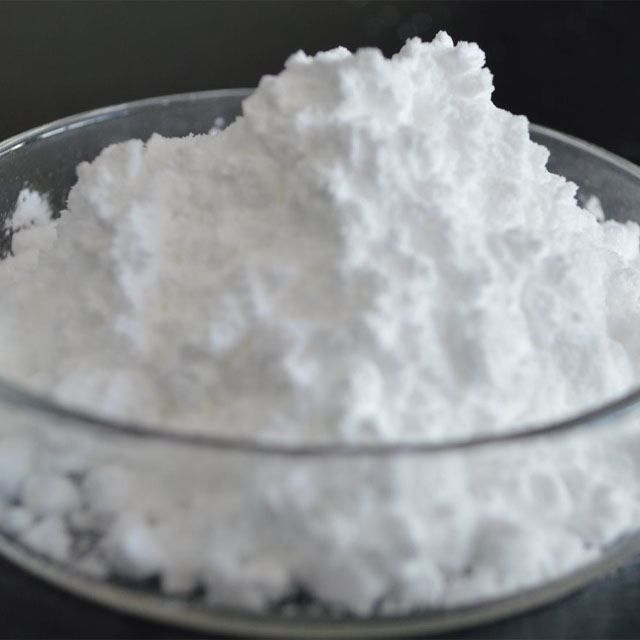
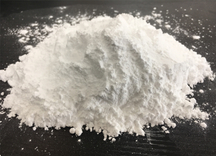
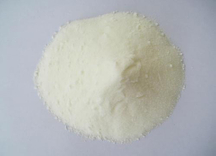
The chemical industry relies heavily on versatile organic compounds that offer durability and thermal stability. Among these, Melamine Powder stands out as a critical raw material used in everything from kitchenware to construction laminates. Understanding the synthesis of this nitrogen-rich heterocycle is essential for manufacturers and distributors looking to optimize their supply chains and ensure product quality.
Melamine is synthesized on an industrial scale primarily through the thermal decomposition of urea. This process occurs under specific temperature and pressure conditions, typically using either a high-pressure non-catalytic method or a low-pressure catalytic method, resulting in the formation of 1,3,5-triazine-2,4,6-triamine.
This article provides an in-depth technical breakdown of the chemical pathways, the industrial machinery involved, and the global standards governing the production of this vital chemical. We will explore how raw materials are transformed into high-purity powder and discuss the applications that drive the global demand for this product.
Article Summary
Section
Summary
The Chemical Foundations of Melamine Synthesis
An exploration of the molecular structure of melamine and the fundamental chemical reaction where urea is converted into melamine, ammonia, and carbon dioxide.
Urea as the Primary Feedstock
Detailed analysis of why urea is the preferred precursor, its cost-effectiveness, and the purity requirements for high-grade Melamine Powder.
Low-Pressure Catalytic Synthesis Method
A breakdown of the fluid-bed reactor process utilizing catalysts at lower atmospheric pressures to achieve high yields.
High-Pressure Non-Catalytic Synthesis Method
Technical insights into the liquid-phase reaction conducted at high pressures without the need for catalysts, focusing on energy efficiency.
Purification and Post-Processing Stages
How the crude product is refined through quenching, filtration, and crystallization to meet industrial specifications.
Industrial Applications and Demand Drivers
A review of how synthesized melamine is utilized in wood processing, coatings, and the manufacturing of durable goods.
Global Safety and Regulatory Standards
A discussion on the legal landscape regarding chemical handling and the safety of melamine-based end products.
The Chemical Foundations of Melamine Synthesis
The synthesis of melamine is a complex chemical reaction where urea is decomposed into cyanic acid and ammonia, which then polymerize to form the triazine ring structure known as melamine.
At its core, the production of Melamine Powder is an endothermic process. The chemical formula for melamine is $C_3H_6N_6$, and it contains 66% nitrogen by mass. This high nitrogen content is what gives the material its flame-retardant properties and its ability to form strong cross-links when reacted with formaldehyde.
The overall stoichiometry of the reaction can be represented as:
This equation shows that for every six moles of urea, one mole of melamine is produced, alongside significant amounts of ammonia and carbon dioxide as byproducts. These byproducts are usually recycled back into a urea production plant to maintain economic efficiency and environmental sustainability. For more information on the safety of these compounds in various markets, you can read about whether melamine is banned in the US to understand the regulatory nuances.
Urea as the Primary Feedstock
Urea is the universal feedstock for commercial melamine production because of its high nitrogen density, relative safety in handling, and its seamless integration with existing nitrogen fertilizer infrastructure.
The quality of the input urea directly impacts the final purity of the Melamine Powder. Industrial facilities typically use "melt urea" directly from an adjacent urea plant to save on the energy costs of granulation and re-melting. The feedstock must be free from significant impurities that could poison catalysts in low-pressure plants or cause corrosion in high-pressure reactors.
In a globalized B2B market, the cost of urea is the primary driver of melamine pricing. Since the reaction produces large volumes of off-gas (ammonia and CO2), integrated sites that can pipe these gases back to the urea reactor have a distinct competitive advantage. This closed-loop system minimizes waste and maximizes the return on raw material investment.
Manufacturers sourcing high-quality materials often look for Melamine that meets strict particle size and moisture content specifications, as these factors influence the reactivity of the powder during resin formulation.
Low-Pressure Catalytic Synthesis Method
The low-pressure synthesis of melamine involves a gas-phase reaction occurring at pressures between 0.1 and 1 MPa, utilizing a fluidized bed reactor filled with a catalyst, such as alumina or silica gel.
In this process, molten urea is atomized and injected into the reactor using a stream of hot ammonia gas. The catalyst facilitates the conversion of urea into melamine vapor at temperatures ranging from 380°C to 400°C. The use of a catalyst allows the reaction to proceed efficiently without the extreme pressures required by other methods, which can lower the capital expenditure on heavy-duty vessel construction.
The gaseous mixture exiting the reactor contains melamine vapor, ammonia, carbon dioxide, and some unreacted urea. To recover the product, the gas is cooled in a "product catcher" or "scrubber," where the melamine desublimates or dissolves into a liquid medium. This method is praised for producing high-purity Melamine Powder with very low levels of metallic impurities.
Technical advantages of the low-pressure route include:
Lower mechanical stress on the reactor vessels.
Simplified maintenance due to less extreme operating conditions.
High selectivity towards melamine, reducing the formation of unwanted side products like melem or melam.
High-Pressure Non-Catalytic Synthesis Method
The high-pressure synthesis route operates at pressures exceeding 7 MPa and temperatures above 400°C, allowing the reaction to take place in the liquid phase without the need for a solid catalyst.
In high-pressure plants, the molten urea is pumped into a specialized reactor where it undergoes thermal decomposition. Because the pressure is so high, the melamine produced remains in a liquid state. This process is generally more compact than low-pressure plants and boasts a higher spatial yield. The absence of a catalyst eliminates the costs associated with catalyst replacement and disposal.
However, the high-pressure environment is highly corrosive. Reactors must be lined with specialized materials like titanium or zirconium to withstand the aggressive chemical environment. Once the reaction is complete, the liquid melamine must be rapidly quenched to prevent the formation of impurities. This quenching process is a critical stage in defining the final morphology of the Melamine Powder.
Many large-scale industrial producers prefer this method because the off-gases are produced at high pressure, making them easier to integrate back into urea production cycles. If you are researching the legalities of using these products in specific regions, it is helpful to check if melamine is banned in the US for certain applications.
Purification and Post-Processing Stages
Purification is the final stage of synthesis where crude melamine is transformed into a refined powder through a series of steps including dissolving, filtration, crystallization, and drying.
Regardless of the synthesis method used, the crude melamine contains small amounts of byproducts such as ammeline, ammelide, and polycondensates. In a typical aqueous purification plant, the crude product is dissolved in hot water or an alkaline solution. This solution is then filtered to remove insoluble impurities.
The clear solution is sent to a crystallizer, where the temperature is lowered, causing high-purity melamine crystals to precipitate. These crystals are separated from the "mother liquor" using centrifuges or belt filters. Finally, the wet crystals are dried in a rotary or fluidized bed dryer to produce the final Melamine Powder that is ready for packaging.
Step
Process Description
Key Outcome
Quenching
Rapid cooling of the reaction mixture
Prevents side reactions
Dissolution
Mixing with water/alkali
Prepares for filtration
Filtration
Passing through fine mesh
Removes solids and melem
Crystallization
Controlled cooling
Forms pure melamine crystals
Drying
Removal of residual moisture
Produces free-flowing powder
Industrial Applications and Demand Drivers
The primary application for synthesized melamine is the production of melamine-formaldehyde (MF) resins, which are essential for laminates, wood adhesives, and surface coatings.
The global market for Melamine Powder is driven by the construction and furniture industries. When melamine is reacted with formaldehyde, it creates a thermosetting plastic that is incredibly hard, heat-resistant, and chemically stable. This makes it the ideal material for high-pressure laminates (HPL) used in kitchen countertops and office furniture.
Beyond wood products, melamine is used in:
Surface Coatings: Providing hardness and weather resistance to automotive finishes.
Textile Treatment: Imparting flame retardancy and crease resistance to fabrics.
Molding Compounds: Creating durable dinnerware and electrical components.
Concrete Admixtures: Acting as a superplasticizer to improve the flow of high-strength concrete.
For companies looking to source this material, finding a reliable supplier of Melamine is crucial for maintaining production consistency and meeting ISO quality standards.
Global Safety and Regulatory Standards
Global regulations for melamine focus on its safe handling in industrial environments and its restricted use in food-contact materials to ensure consumer safety.
While melamine is a safe and effective industrial chemical, its misuse in the food industry in past decades has led to strict regulatory oversight. In the United States and Europe, the FDA and EFSA have established clear migration limits for melamine when used in food-contact plastics. It is important to distinguish between industrial-grade Melamine Powder and its finished polymer forms.
Compliance with REACH (Registration, Evaluation, Authorisation and Restriction of Chemicals) is mandatory for companies exporting to the European Union. Furthermore, businesses must stay informed on regional restrictions, such as whether melamine is banned in the US for specific consumer-facing applications, to avoid legal complications.
Proper PPE (Personal Protective Equipment) and dust control systems are standard requirements in synthesis plants to protect workers from inhaling the powder or coming into contact with hot reaction gases.
Melamine presents alkalescence, can react with various acidums to generate melamine salt. In strong acid or strong alkali liquor, melamine will hydrolyze---amidocyanogen will be slowly replaced by hydroxyl, thus generate cyanuric acid diacid amide, cyanuric acid monamide, and cyanuric acid. Among them, the reaction of melamine and formalin is the most important part.
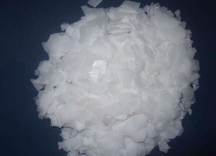
Product name:Sodium Hydroxid/Caustic Soda Molecular formula:NaOH Molecular weight:39.996 CAS NO.:1310-73-2 Appearance:White or light yellow shiny solids UN number:1824,1823
Melamine presents alkalescence, can react with various acidums to generate melamine salt. In strong acid or strong alkali liquor, melamine will hydrolyze---amidocyanogen will be slowly replaced by hydroxyl, thus generate cyanuric acid diacid amide, cyanuric acid monamide, and cyanuric acid. Among them, the reaction of melamine and formalin is the most important part.
CAS NO.7632-00-0 Chemical formula:NaNO2 Appearance:White or slightly yellowish solid. Uses:Mainly used in the pharmaceutical and chemical industries and can also be used in heat treatment of metal,early strength agent of cement,antifreezing agent,and etc. Packing:1000kg/bag,50kg/bag,25kg/bag