The world of synthetic materials is vast, often leading to confusion between various types of resins and traditional plastics. Melamine is a compound that frequently surfaces in discussions regarding durable kitchenware, industrial coatings, and high-performance laminates. Understanding its chemical nature is essential for B2B buyers and manufacturers who require materials that can withstand rigorous thermal and mechanical stress.
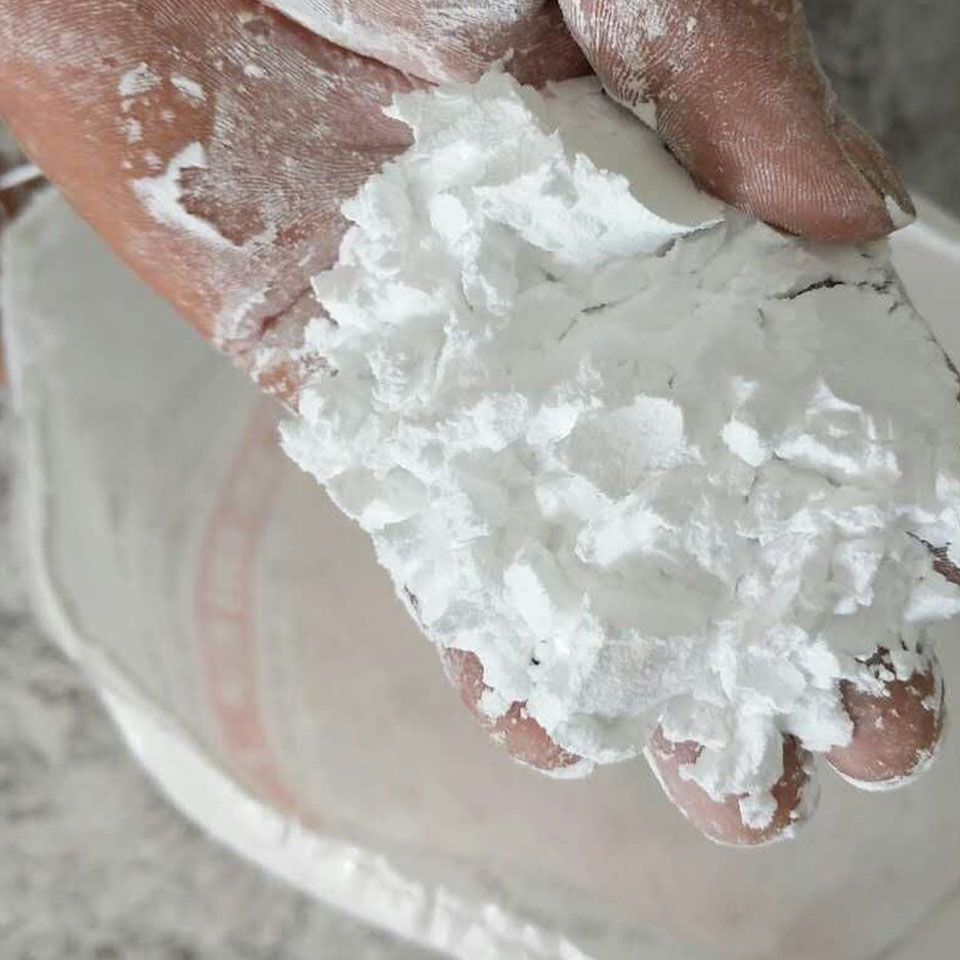
Melamine is technically a type of plastic, specifically a thermosetting plastic resin formed by the chemical combination of Melamine Powder and formaldehyde. Unlike thermoplastic materials such as polyethylene or polypropylene which can be remelted, melamine undergoes a chemical change when heated and molded, resulting in a permanent, rigid structure that cannot be reverted to its original state.
This article provides a comprehensive deep dive into the chemical composition of melamine, its distinction from common plastics, and why its unique properties make it a cornerstone of modern industrial manufacturing. We will explore the role of Melamine Powder in creating high-strength bonds and why this material remains a preferred choice for global exporters and factories.
Content Overview
Section
Summary
Defining Melamine as a Thermoset Plastic
An exploration of the chemical identity of melamine and its classification within the polymer family.
Melamine vs. Traditional Thermoplastics
A detailed technical comparison highlighting the structural and thermal differences between melamine and common plastics.
The Production Process of Melamine Resin
Understanding how Melamine Powder is synthesized and reacted with formaldehyde to create durable products.
Industrial Applications and Versatility
A breakdown of how melamine is utilized in laminates, coatings, and heavy-duty industrial components.
Safety, Regulations, and Durability
An analysis of the material's safety profile and its resistance to heat, chemicals, and physical impact.
Why Choose Melamine for B2B Procurement
Strategic advantages of utilizing melamine-based materials in large-scale manufacturing and global trade.
1. Defining Melamine as a Thermoset Plastic
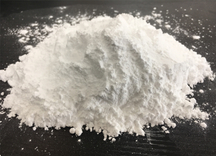
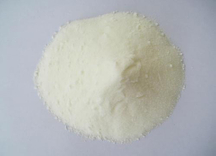
Melamine is a nitrogen-rich organic base that, when combined with formaldehyde, creates melamine resin—a hard, highly durable thermosetting plastic. To understand melamine, one must first look at its molecular foundation. Melamine Powder is the primary raw material used in this synthesis. Chemically known as 1,3,5-triazine-2,4,6-triamine, it contains a high percentage of nitrogen by weight. When this powder is reacted with formaldehyde under controlled heat and pressure, it forms a polymer network. This network is "cross-linked," meaning the molecules are bonded in a three-dimensional grid that provides immense stability.
In the hierarchy of materials, melamine belongs to the "amino resin" group. Because it is a thermoset, it is significantly different from the "disposable" plastics most consumers encounter daily. Once the resin is set into a specific shape—whether it is a laminate sheet or a molded plate—it becomes heat-resistant and chemically inert. This makes it a vital component in high-traffic environments where longevity is non-negotiable.
Factories specializing in industrial chemicals prioritize high-purity Melamine Powder to ensure the resulting resin has no impurities that could compromise structural integrity. This professional-grade material is the backbone of the Melamine industry, serving sectors ranging from construction to automotive manufacturing.
2. Melamine vs. Traditional Thermoplastics
The fundamental difference lies in thermal behavior: traditional plastics (thermoplastics) melt when heated, whereas melamine (a thermoset) remains rigid and chars rather than liquifying at high temperatures.
Traditional plastics like PVC, PET, and Polystyrene are made of long molecular chains that are held together by relatively weak forces. When you apply heat to these materials, the chains slide past one another, allowing the plastic to melt and be reshaped. This is why many household plastics are easily recyclable but also prone to warping or leaching chemicals when exposed to heat.
In contrast, the cross-linked structure of melamine creates a material that is effectively one giant molecule. This internal "web" prevents the material from softening. If you subject melamine to extreme heat beyond its tolerance, it will eventually decompose or char, but it will never return to a liquid state. This high thermal stability is a primary reason why many wonder Is melamine banned in the US for certain uses, as its unique properties require specific regulatory understanding for food-contact safety.
Feature
Melamine (Thermoset)
Common Plastic (Thermoplastic)
Heat Resistance
Very High; does not melt
Low to Moderate; melts easily
Surface Hardness
Exceptional; scratch-resistant
Varies; often easy to scratch
Chemical Resistance
High resistance to oils and solvents
Sensitive to many organic solvents
Recyclability
Difficult (due to cross-linking)
High (can be melted and reformed)
Cost
Higher due to specialized processing
Lower due to mass production
3. The Production Process of Melamine Resin
The synthesis of melamine resin involves a polycondensation reaction where Melamine Powder is dissolved in formaldehyde to create a pre-polymer solution used for molding or coating.
The manufacturing journey begins with the production of high-quality Melamine Powder. This powder is synthesized from urea in a high-pressure or low-pressure catalytic process. Once the powder is refined, it is mixed with formaldehyde. This stage is critical; the ratio of Melamine Powder to formaldehyde determines the final properties of the resin, such as its flexibility, water resistance, and clarity.
During the "curing" stage, the mixture is subjected to heat. As the temperature rises, a chemical reaction occurs that releases water (condensation) and locks the molecules into their final, hard state. For B2B applications, this resin is often impregnated into paper for high-pressure laminates (HPL) or mixed with cellulose fillers to create molding compounds for electrical housings or dinnerware.
Quality control at the factory level focuses on the particle size and purity of the Melamine Powder. Even minor variations in the raw material can lead to "blistering" or uneven curing in the final product. Therefore, sourcing consistent chemical precursors is the most important step for any manufacturer looking to maintain international standards.
4. Industrial Applications and Versatility
Melamine is a versatile industrial workhorse used in everything from surface laminates for office furniture to flame retardant additives and automotive coatings.
The application of melamine extends far beyond the kitchen. Because of its incredible hardness and resistance to wear, it is the primary ingredient in decorative laminates. When you see a "wood grain" office desk or a durable countertop, you are likely looking at a layer of melamine resin protecting the underlying substrate. Its ability to be infused with pigments allows for an infinite variety of aesthetic finishes.
Wood Based Panels: Melamine-urea-formaldehyde (MUF) resins are used as adhesives for particleboard and MDF, providing moisture resistance and structural bonding.
Surface Coatings: In the automotive and appliance industries, melamine is used as a cross-linker in baked-on paint finishes, providing a high-gloss, scratch-resistant exterior.
Flame Retardants: Due to its high nitrogen content, Melamine Powder acts as a natural flame retardant. When exposed to fire, it releases nitrogen gas, which dilutes the oxygen around the flame and helps stifle combustion.
Textile Treatment: Melamine resins are applied to fabrics to provide wrinkle resistance and water repellency in industrial uniforms and upholstery.
Manufacturers often inquire about the global availability and legal status of these materials, specifically asking Is melamine banned in the US for industrial use. The answer is that it is widely used and approved, provided it meets specific industry-standard migration limits for food-contact items.
5. Safety, Regulations, and Durability
Melamine is considered highly safe and durable when used within its designed temperature parameters, offering superior resistance to physical impact and chemical degradation.
One of the most significant advantages of melamine is its "inert" nature. Once the Melamine Powder has been fully reacted and cured into a solid state, it is extremely stable. It does not react with most household chemicals, oils, or acidic foods. This durability makes it an ideal material for environments that require frequent cleaning or sterilization, such as hospitals and schools.
However, because it is a thermoset, it does have limitations. It should not be used in microwaves or conventional ovens, as the intense localized heat can eventually break down the polymer bonds, leading to "scorching" or the potential migration of trace elements. Understanding these boundaries is key for B2B suppliers who must provide accurate usage guidelines to their clients.
In terms of global trade, high-quality Melamine products must comply with international safety standards (such as FDA or EU regulations). These regulations ensure that the resin is properly cured and that any residual formaldehyde or melamine levels are well within safe, undetectable limits.
6. Why Choose Melamine for B2B Procurement?
Procuring melamine-based products offers a strategic advantage due to the material's cost-efficiency, extreme longevity, and multi-functional properties in construction and manufacturing.
For businesses, the "Total Cost of Ownership" for melamine products is often lower than that of cheaper plastics or natural materials. For example, a melamine-laminated retail fixture will outlast a painted wooden one by years, resisting scratches from thousands of customers. The inherent flame-retardancy provided by Melamine Powder also reduces the need for additional expensive chemical treatments in building materials.
Cost-Effectiveness: Melamine provides a high-end look (imitating stone or wood) at a fraction of the cost of the real material.
Logistical Efficiency: Being lighter than ceramic or stone but more durable than standard plastic, it reduces shipping costs and breakage rates during transit.
Customizability: The chemical formulation can be adjusted to be more or less rigid depending on whether it is intended for a coating, an adhesive, or a molded part.
When sourcing, it is vital to partner with a factory that understands the nuances of the chemical market. Whether you are concerned about Is melamine banned in the US or need a specific technical grade of Melamine Powder, working with experienced exporters ensures that your supply chain remains compliant and high-performing.
Melamine presents alkalescence, can react with various acidums to generate melamine salt. In strong acid or strong alkali liquor, melamine will hydrolyze---amidocyanogen will be slowly replaced by hydroxyl, thus generate cyanuric acid diacid amide, cyanuric acid monamide, and cyanuric acid. Among them, the reaction of melamine and formalin is the most important part.
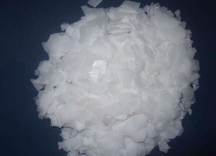
Product name:Sodium Hydroxid/Caustic Soda Molecular formula:NaOH Molecular weight:39.996 CAS NO.:1310-73-2 Appearance:White or light yellow shiny solids UN number:1824,1823
Melamine presents alkalescence, can react with various acidums to generate melamine salt. In strong acid or strong alkali liquor, melamine will hydrolyze---amidocyanogen will be slowly replaced by hydroxyl, thus generate cyanuric acid diacid amide, cyanuric acid monamide, and cyanuric acid. Among them, the reaction of melamine and formalin is the most important part.
CAS NO.7632-00-0 Chemical formula:NaNO2 Appearance:White or slightly yellowish solid. Uses:Mainly used in the pharmaceutical and chemical industries and can also be used in heat treatment of metal,early strength agent of cement,antifreezing agent,and etc. Packing:1000kg/bag,50kg/bag,25kg/bag