Melamine is not functionally identical to common single-use or thin-walled plastics; it is a thermoset polymer that possesses distinct chemical properties, safety profiles, and environmental impacts that require a more nuanced assessment than comparing it to standard thermoplastics like PET or PE.
This article explores the technical differences between melamine resin and traditional plastics, the safety standards governing their use in food-contact applications, and the evolving role of high-quality melamine powder for industrial molding. By diving into the material science behind these substances, we aim to clarify the misconceptions surrounding their usage and safety.
Table of Contents
Section | Summary |
Understanding the Composition of Melamine Resin | Explaining the thermoset nature of melamine versus typical thermoplastic structures. |
Comparing Chemical Stability and Thermal Resistance | Analyzing heat tolerance and chemical leaching risks between melamine and plastic. |
Regulatory Standards and Global Safety Assessments | Reviewing how melamine products are vetted for food safety in global markets. |
Environmental Impact and Life Cycle Analysis | Evaluating the sustainability differences and end-of-life processing of resins versus plastics. |
Strategic Procurement of Melamine Materials | Guidance on sourcing high-grade materials for long-term safety and performance. |
Understanding the Composition of Melamine Resin
Melamine resin is a thermosetting plastic produced by the polycondensation of melamine and formaldehyde, which creates a highly cross-linked, rigid network that differs significantly from the molecular chains found in standard thermoplastics.
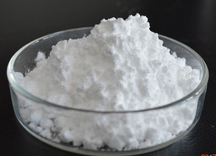
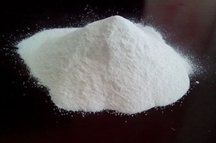
Unlike common household plastics such as polyethylene (PE) or polypropylene (PP), which are thermoplastics that can be melted and reshaped repeatedly, melamine resin undergoes a chemical reaction during curing that makes it irreversible. This process ensures the material becomes incredibly hard, heat-resistant, and chemically stable once the production cycle is complete. The core of this process relies on the quality of the raw melamine powder used during the manufacturing phase.
The structure of the resin is defined by a dense, three-dimensional network. This density is the primary reason why high-quality melamine products exhibit such superior durability compared to standard plastic alternatives. In the B2B sector, understanding this chemical difference is vital because the integrity of the end-product is entirely dependent on the polymerization efficiency of the initial resin compound.
When compared to traditional plastics, melamine offers structural benefits that prevent warping or melting under standard commercial kitchen conditions. While plastics might soften or degrade at high temperatures, the cross-linking in melamine ensures that the material maintains its shape, provided the raw material was sourced from reliable chemical suppliers who prioritize high-purity standards.
Comparing Chemical Stability and Thermal Resistance
Melamine demonstrates superior thermal stability and structural rigidity compared to most commodity plastics, though it requires specific handling conditions to ensure that the chemical components remain safely bound within the cured polymer matrix.
Thermal resistance is the hallmark of melamine-based products. While many plastics begin to lose their mechanical properties when exposed to boiling water or high-temperature dishwashing cycles, melamine maintains its structural integrity. This resilience is critical for industries that require heavy-duty items that must withstand repeated sanitation without degradation. However, it is essential to note that the safety of the material is contingent upon its correct manufacturing; if the curing process is incomplete, the risk of migration increases.
In terms of chemical stability, melamine is resistant to most solvents, oils, and detergents. This makes it an ideal candidate for industrial applications where plastic surfaces would otherwise stain or react negatively to cleaning agents. Nevertheless, public concerns regarding the safety of these materials remain a topic of interest, and it is important to review the latest guidance on if melamine is banned in the US to understand how regulatory bodies differentiate between historical misuse and modern safe use.
The risk of leaching is often the primary concern raised when comparing melamine to plastic. It is important to distinguish between high-quality, fully cured melamine resin and substandard materials. When the cross-linking process is performed correctly, the migration of monomers into food is negligible. Therefore, the "badness" often associated with melamine is frequently a result of poor production quality rather than an inherent flaw in the material itself.
Regulatory Standards and Global Safety Assessments
Global regulatory bodies, including those in the United States and Europe, have established strict migration limits for melamine, ensuring that products manufactured according to modern standards are safe for their intended use in food contact.
Regulatory frameworks focus heavily on testing the migration of formaldehyde and melamine into food simulants. These tests simulate extreme conditions—such as high heat or high acidity—to ensure that even in worst-case scenarios, the amount of substance migrating from the material remains well below established safety thresholds. By adhering to these standards, manufacturers can guarantee that their melamine-based solutions meet the safety requirements necessary for international trade.
The assessment process usually involves rigorous laboratory testing of the finished product. This includes:
Long-term exposure tests at various temperatures.
Acidic and alcoholic stimulant testing.
Batch consistency verification to ensure no residual unreacted chemicals remain.
For businesses sourcing materials, it is important to verify that the supplier follows these standardized testing protocols. Transparency in supply chain documentation is essential, as the safety profile of a product is only as good as the raw materials used during production. When sourcing, always prioritize suppliers who can provide certificates of compliance that align with international food safety standards.
Environmental Impact and Life Cycle Analysis
While neither melamine nor most plastics are easily biodegradable, melamine’s extreme durability offers a distinct advantage by extending the service life of products, thereby reducing the frequency of disposal and replacement in commercial settings.
The sustainability debate often focuses on the "disposability" aspect of plastic. Single-use plastics contribute heavily to environmental waste due to their short lifespan. In contrast, melamine is designed for long-term use. A well-manufactured melamine plate or industrial component can last for years of heavy use, which significantly lowers its overall environmental footprint compared to items that are discarded after one or two uses.
However, the end-of-life phase for melamine is more complex than that of many recyclable thermoplastics. Because melamine is a thermoset, it cannot be melted down and re-molded in the same way as PET or HDPE. This presents a challenge for recycling infrastructure. To address this, the industry is moving toward:
Improved waste-to-energy recovery methods.
Development of industrial grinding for filler applications in lower-grade materials.
Focus on creating products with longer life cycles to minimize waste generation.
When considering the environmental impact, procurement managers should look at the "Total Cost of Ownership" and "Total Impact" rather than just recyclability. A product that lasts ten times longer than a plastic alternative, even if it is not easily recycled, often has a lower overall impact on raw material extraction and manufacturing energy usage over time.
Strategic Procurement of Melamine Materials
Successful procurement of melamine products depends on sourcing high-purity chemical components and working with manufacturers who prioritize rigorous polymerization processes to ensure final product safety and performance.
For B2B buyers, the decision-making process should be grounded in technical specifications rather than general assumptions. Not all melamine is created equal. The quality of the end-product is intrinsically linked to the quality of the melamine resin powder utilized in the molding machines. Suppliers must be vetted for their ability to manage the chemical reaction precisely, as any variance can affect the safety and durability of the finished goods.
When evaluating suppliers, consider the following checklist:
Documentation of Raw Material Quality: Request specifications regarding the purity of the formaldehyde and melamine reactants.
Compliance Certificates: Ensure that products are tested for chemical migration in accordance with the regulations discussed in our article on regulatory standards for melamine.
Manufacturing Environment: Verify that the molding facility adheres to clean, controlled conditions to prevent contamination.
Longevity Testing: Look for data on the mechanical strength and heat resistance of the specific resin grade being offered.
By focusing on these metrics, businesses can ensure they are investing in durable, safe, and cost-effective solutions. The industry continues to evolve, with better production methods reducing the risks that once plagued older, lower-quality manufacturing processes. By moving away from commodity-grade materials and toward premium industrial-grade resins, companies can leverage the benefits of melamine while maintaining the highest safety standards.
Conclusion
In the comparison between melamine and plastic, the term "bad" is largely a simplification of complex material science. Melamine is a specialized thermoset material that, when manufactured to high standards, provides durability, heat resistance, and structural integrity that far exceed the performance of many standard thermoplastics. By understanding the distinction between fully cured thermoset resins and traditional plastics, procurement professionals can make informed decisions that benefit their operations while adhering to global safety and environmental expectations.