Raw material inconsistency often drives unexpected process failures. It ruins overall yields and escalates operational expenses globally. Industrial manufacturers simply cannot afford chemical impurities causing unplanned facility downtime. Sodium nitrite ($NaNO_2$) acts as a foundational oxidizing and reducing agent across countless sectors. Yet, the margin for error remains incredibly narrow during daily application. Trace contaminants disrupt delicate chemical reactions almost instantly. Procurement and engineering teams must look beyond simple unit prices. Evaluating High Purity Sodium Nitrite requires deep analysis of precise chemical specifications. You also need to verify supply chain stability and strict compliance rigor. This guide reveals exactly how to secure high-yield manufacturing operations. We will explore risk mitigation, supplier auditing, and core performance metrics. You will learn actionable steps to safeguard your production line.
Key Takeaways
Performance: High purity sodium nitrite directly correlates with fewer side reactions, less equipment fouling, and higher yield in downstream processes.
Key Specs: Industrial evaluation must prioritize assay percentages (typically >99%), low moisture content, and stringent heavy metal limits.
Compliance: Verifiable Certificates of Analysis (COAs), strict adherence to Safety Data Sheets (SDS), and proper GHS labeling are non-negotiable for safe facility integration.
Sourcing: Shifting to a new supplier requires structured pilot testing and auditing of handling, packaging, and anti-caking formulations.
The Business Case for High Purity Sodium Nitrite in Manufacturing
Defining commercial purity grades requires understanding precise chemical thresholds. Standard technical-grade inputs typically offer a basic 98 percent assay. This lower baseline leaves substantial room for unwanted insolubles. It also allows heavy metal contamination to enter your facility. True high purity materials demand a 99.2 percent minimum assay. They also require virtually untraceable insoluble matter limits. You must distinguish between materials acceptable for generic uses and those required for sensitive synthesis. High Purity Sodium Nitrite guarantees the consistency necessary for advanced industrial processing.
Trace impurities compound rapidly at commercial scale. Minor contaminants trigger disproportionate damage across production systems. Chlorides represent a severe risk in water treatment. They cause aggressive localized pitting in expensive cooling infrastructure. Unreacted carbonates unexpectedly shift pH levels during delicate chemical synthesis. These minor deviations alter reaction kinetics unpredictably. They lead directly to accelerated equipment wear. You also risk producing off-spec final products. Off-spec batches require expensive reprocessing or complete disposal.
Manufacturers must mitigate these inherent process risks proactively. High purity chemical selection acts as a vital defensive strategy. It ensures predictable thermal and chemical reactions across every single batch. Engineers rely on precise material inputs to validate automated production systems. You cannot optimize an automated facility using inconsistent raw materials. Eliminating trace impurities reduces downstream filtration requirements heavily. It also extends the lifespan of sensitive mechanical components. Procuring premium grades protects your larger operational investments effectively.
Core Industrial Applications and Performance Requirements
Corrosion Inhibition & Water Treatment
Sodium nitrite dominates industrial water treatment applications. It promotes the rapid formation of passive oxide layers on ferrous metals. This chemical mechanism protects closed-loop cooling systems effectively. The nitrite ions react with iron surfaces instantly. They create a microscopic, durable barrier against dissolved oxygen. Engineers depend on this reliable anodic inhibition.
Your decision lens must focus on strict solubility thresholds. Poorly soluble materials create sludge accumulation in cooling towers. Low chloride content remains equally critical. Chlorides aggressively attack the passive oxide layer. They cause counterproductive pitting corrosion immediately. Sourcing materials lacking strict chloride controls defeats the entire purpose of corrosion inhibition.
Metal Treatment and Heat Transfer Salts
Metallurgical applications require highly specialized salt baths. Facilities use these baths for the quenching and tempering of steel parts. Sodium nitrite lowers the melting points significantly within these complex salt mixtures. It facilitates uniform heat transfer across complex metal geometries. This uniformity prevents structural warping during rapid cooling phases.
Thermal stability dictates supplier selection in this sector. Predictable melting behaviors require precise moisture control during procurement. Excess moisture causes dangerous splattering when adding raw salts to molten baths. It also alters the eutectic point of the mixture. You must audit supplier moisture management practices carefully before ordering.
Chemical Synthesis (Dyes, Pigments, & Intermediates)
Chemical synthesis demands absolute molecular precision. Sodium nitrite acts as an essential reagent for critical diazotization reactions. Manufacturers use this process to create vibrant azo dyes. They also produce complex rubber chemicals and specialized pharmaceuticals. The reaction converts primary aromatic amines into highly reactive diazonium salts.
Reaction stoichiometry demands exact assay percentages constantly. Unreacted residuals spoil entire production batches quickly. Excess nitrites lead to hazardous side reactions. Insufficient nitrites result in incomplete amine conversion. Procuring High Purity Sodium Nitrite prevents these costly stoichiometric imbalances entirely.
Chart: Application Performance Matrix
Industrial Application
Primary Mechanism
Critical Impurity to Avoid
Impact of Failure
Water Treatment
Anodic inhibition (Oxide layer)
High Chlorides
Aggressive localized pitting corrosion
Metal Quenching
Eutectic melting point reduction
Excess Moisture
Thermal instability, dangerous splattering
Chemical Synthesis
Diazotization of amines
Insolubles & Carbonates
Stoichiometric imbalance, batch rejection
Evaluating Supplier Specifications: A Technical Framework
Analyzing the Certificate of Analysis (COA)
A standardized Certificate of Analysis acts as your primary quality safeguard. You must analyze these documents rigorously before accepting deliveries. Look closely for batch-to-batch consistency. Sporadic fluctuations indicate poor manufacturing controls at the source facility. True industrial suppliers maintain tight statistical variations across all shipments.
Prioritize these critical metrics during your document review:
Sodium Nitrite Assay: Must consistently exceed 99 percent for high purity claims.
Moisture Content: Should strictly remain below 0.2 percent to prevent caking.
Sodium Nitrate ($NaNO_3$) Limits: Must stay highly restricted, as it impacts oxidation states.
Heavy Metals: Requires minimal trace levels (often measured in parts per million) to prevent catalytic interference.
Physical Form and Flowability
Procurement teams must choose between crystalline and powder forms. Crystalline forms generally resist moisture absorption better than fine powders. Powders dissolve much faster in aqueous solutions. You must weigh these operational benefits against your specific material handling capabilities. Some automated dosing systems struggle handling dense crystalline structures.
The role of anti-caking agents requires serious technical evaluation. Suppliers add them to improve material flowability during long-term storage. However, they introduce foreign agents like silica into your facility. Silica easily disrupts sensitive downstream chemical processes. It leaves unwanted residues inside reaction vessels. Evaluate this trade-off carefully. High-humidity environments might necessitate treated materials. Tightly controlled indoor facilities often prefer untreated, pure chemicals.
Packaging and Moisture Barriers
Improper packaging destroys high purity chemicals rapidly. Sodium nitrite poses severe hygroscopic risks. It readily absorbs ambient humidity from the surrounding atmosphere. This moisture causes severe clumping. Hardened clumps block pneumatic transfer lines and manual dosing hoppers.
You must mandate strict packaging requirements during supplier negotiations. Multi-wall polyethylene-lined bags offer excellent baseline protection. The interior PE liner acts as a critical moisture vapor barrier. UN-rated UN-1H2 plastic drums provide superior security for highly sensitive applications. They survive rough transit conditions seamlessly. Drums also allow safe resealing after partial usage. These rigorous packaging criteria remain essential for shortlisting reliable chemical suppliers.
Implementation Realities: Safety, Compliance, and Handling
Regulatory and Environmental Baselines
Handling industrial oxidizers requires comprehensive compliance mapping. Facility managers must adhere strictly to OSHA handling guidelines. Sodium nitrite acts as a strong oxidizer. It accelerates combustion significantly if exposed to open flames. Your environmental health and safety (EHS) team must document all standard operating procedures clearly.
EPA reporting protocols demand careful attention. Sodium nitrite carries a specific Reportable Quantity (RQ) threshold under federal environmental laws. Accidental spills exceeding this limit require immediate agency notification. Exporting final products or intermediate chemicals demands REACH compliance evaluation. Ensure your raw material supplier provides full regulatory documentation supporting international chemical registries.
Storage and Incompatibility Risks
Warehouse isolation prevents catastrophic chemical accidents. Proper facility layouts separate incompatible materials physically. Standard pallet racking systems cannot mix oxidizers alongside flammable organics. You must construct dedicated, clearly marked storage zones.
Follow these specific isolation protocols strictly:
Isolate from Reducing Agents: Prevents violent, spontaneous chemical reactions.
Separate from Strong Acids: Prevents rapid decomposition and toxic nitrogen oxide ($NO_x$) off-gassing.
Distance from Ammonium Compounds: Eliminates the risk of forming unstable, explosive ammonium nitrite.
Remove Combustible Materials: Keep wood, paper, and textiles away to prevent accelerated fires.
Toxic $NO_x$ off-gassing poses severe inhalation hazards. Facility managers must monitor ambient air quality near storage zones continuously.
PPE and Worker Exposure
Protecting operators requires a hierarchical safety approach. Prioritize permanent engineering controls over simple personal protective equipment (PPE). Engineering controls remove the hazard before it reaches the worker. Install robust local exhaust ventilation systems above all mixing tanks. Ensure dust collection systems function optimally during powder transfer.
Meet NIOSH and OSHA atmospheric standards first. Then evaluate supplementary respirator needs for your operators. Standard PPE protocols must include chemical-splash goggles. Workers should wear heavy-duty nitrile gloves. Protective aprons prevent accidental skin contact. Train your teams extensively on emergency eye-wash station locations. Safety remains an ongoing operational commitment.
Shortlisting Suppliers and Next Steps for Procurement
Auditing Supply Chain Resilience
Chemical supply chains face continuous global disruptions. Auditing your potential partners requires looking beyond their marketing materials. Assess their domestic inventory availability reliably. Suppliers holding local stock mitigate sudden international shipping delays. Compare this local buffer against typical import lead times.
A supplier heavily dependent on single-origin imports poses severe operational risks. Port strikes or severe weather can halt your production lines completely. Request historical on-time delivery metrics. Investigate their warehousing footprint. Robust suppliers maintain strategically placed distribution centers near major industrial hubs. This geographical diversity guarantees continuous material flow during regional crises.
The Pilot Process
Shifting to a new chemical vendor requires structured validation. Never switch suppliers based solely on paperwork. Initiate a comprehensive pilot process immediately. Request a representative material sample from their commercial production line. Do not accept specialized lab-made samples.
Compare the provided Technical Data Sheet (TDS) against the batch-specific COA. They must align perfectly. Run a bench-scale validation test next. Have your chemists evaluate solubility rates carefully. Test the exact yield impacts on your downstream products. This rigorous pilot testing confirms full compatibility before attempting large-scale adoption. It protects your facility from unexpected production failures.
Commercial Alignment
Moving from technical validation to commercial alignment finalizes the partnership. Establish strict Service Level Agreement (SLA) parameters early. Define acceptable delivery schedules clearly. Specify penalties for delayed shipments or off-spec deliveries. This commercial clarity prevents future disputes.
Mandate comprehensive lot traceability systems. You must track every bag back to its exact manufacturing date. Develop joint recall protocols to protect your brand integrity. If an impurity slips through, you need immediate communication channels. High Purity Sodium Nitrite suppliers welcome these rigorous audits. They view transparency as a core competitive advantage. Build relationships focused on long-term chemical reliability.
Conclusion
Sourcing premium industrial oxidizers represents a highly strategic engineering decision. It extends far beyond a simple line-item purchase. Purity levels dictate overall facility safety directly. They control your process efficiency and define final product quality. Settling for lower grades introduces compounded risks spanning from equipment pitting to failed synthesis reactions. You must prioritize strict assay limits, proper packaging, and rigorous supply chain audits. We encourage engineering teams to take immediate action. Request the latest Technical Data Sheet from your prospective supplier. Review a recent sample Certificate of Analysis carefully. Schedule a technical consultation with an application engineer to verify exact grade suitability for your facility.
FAQ
Q: What is the difference between standard technical grade and high purity sodium nitrite?
A: The primary difference lies in the quantitative assay and impurity limits. High purity grades guarantee a >99.2% assay. They strictly reduce heavy metals, destructive chlorides, and trace insolubles. Standard technical grades often hover around 98%, containing impurities that cause side reactions and equipment corrosion.
Q: Does high purity sodium nitrite require an anti-caking agent?
A: Anti-caking agents remain optional but highly recommended for high-humidity storage environments. However, buyers must verify compatibility. Agents like silica prevent clumping but introduce foreign particles that might disrupt sensitive downstream chemical synthesis processes.
Q: What is the typical shelf life of industrial-grade sodium nitrite?
A: When stored in completely sealed, original packaging, it typically lasts 1 to 2 years. Moisture ingress ruins the chemical rapidly. Facilities should mandate mandatory re-testing protocols after 12 months to ensure assay stability before manufacturing use.
Q: How does sodium nitrite differ from sodium nitrate in industrial use?
A: They possess different oxidation states. Sodium nitrite ($NaNO_2$) acts as both a reducing and oxidizing agent, highly reactive in diazotization. Sodium nitrate ($NaNO_3$) functions almost exclusively as a stable oxidizer. Confusing them causes immediate, dangerous synthesis failures.
Melamine presents alkalescence, can react with various acidums to generate melamine salt. In strong acid or strong alkali liquor, melamine will hydrolyze---amidocyanogen will be slowly replaced by hydroxyl, thus generate cyanuric acid diacid amide, cyanuric acid monamide, and cyanuric acid. Among them, the reaction of melamine and formalin is the most important part.
Product name:Sodium Hydroxid/Caustic Soda Molecular formula:NaOH Molecular weight:39.996 CAS NO.:1310-73-2 Appearance:White or light yellow shiny solids UN number:1824,1823
Melamine presents alkalescence, can react with various acidums to generate melamine salt. In strong acid or strong alkali liquor, melamine will hydrolyze---amidocyanogen will be slowly replaced by hydroxyl, thus generate cyanuric acid diacid amide, cyanuric acid monamide, and cyanuric acid. Among them, the reaction of melamine and formalin is the most important part.
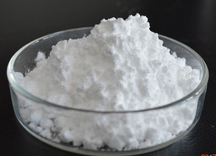
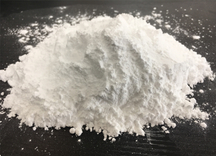
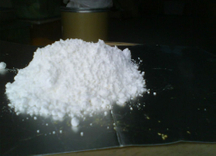
CAS NO.7632-00-0 Chemical formula:NaNO2 Appearance:White or slightly yellowish solid. Uses:Mainly used in the pharmaceutical and chemical industries and can also be used in heat treatment of metal,early strength agent of cement,antifreezing agent,and etc. Packing:1000kg/bag,50kg/bag,25kg/bag