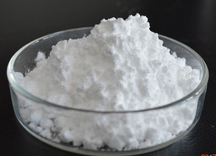
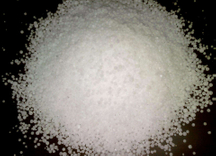
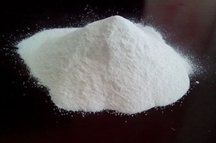
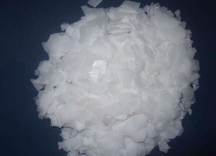
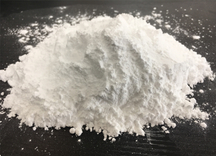
The definitive distinction between sodium nitrate and sodium nitrite resides in their molecular oxygen composition and chemical behavior: sodium nitrate contains three oxygen atoms and functions primarily as an oxidizer, fertilizer component, and thermal storage medium, whereas sodium nitrite possesses two oxygen atoms and serves as a highly reactive curing agent, metallurgical additive, and chemical intermediate. For demanding industrial manufacturing, dye synthesis, and metal treatment, utilizing a verified High Purity Sodium Nitrite formulation ensures maximum process stability, precise chemical reduction, and compliance with rigorous commercial performance specifications.
At a Glance
Section
Summary
What Are Sodium Nitrate and Sodium Nitrite?
An entry-level chemical overview outlining the primary definitions, molecular formulas, and essential properties of both sodium salts in commercial settings.
Key Differences Between Sodium Nitrate and Sodium Nitrite
A detailed structural and functional comparison highlighting how the variance in oxygen atoms dictates their respective industrial utilities and reactive profiles.
Health Implications: Friend or Foe?
An objective analysis of how these compounds interact with biological systems, clarifying their roles in food preservation, human metabolism, and occupational safety.
Misconceptions and Label Confusion
A targeted breakdown addressing widespread industry myths, processing misinterpretations, and the critical importance of clear chemical nomenclature in B2B supply chains.
Are Sodium Nitrate and Nitrite Safe in Moderation?
A review of regulatory thresholds, safety margins, material handling guidelines, and quality standards required for sustainable industrial deployment.
What Are Sodium Nitrate and Sodium Nitrite?
Sodium nitrate and sodium nitrite are distinct inorganic sodium salts that feature nitrogen and oxygen atoms bound to a sodium base, differing fundamentally in their chemical formulas, oxidation states, and primary functions within industrial chemistry and manufacturing sectors.
To understand these compounds comprehensively, one must first examine their molecular architecture. Sodium nitrate is represented by the chemical formula NaNO_3, indicating a structure where a single sodium cation binds to a nitrate anion consisting of one nitrogen atom and three oxygen atoms. This highly stable compound naturally occurs in vast mineral deposits and is globally recognized for its exceptional oxidization properties, making it an indispensable asset in agricultural fertilization, glass manufacturing, pyrotechnics, and as a molten salt heat transfer fluid in concentrated solar power facilities. Its high thermal stability allows it to store and transfer energy efficiently across heavy industrial networks.
Conversely, sodium nitrite features the chemical formula NaNO_2, where the sodium cation binds to a nitrite anion made of one nitrogen atom and only two oxygen atoms. This minor structural divergence results in an entirely different chemical personality. The compound is significantly more reactive and possesses strong reducing and oxidizing capabilities depending on the pH and chemical environment. In commercial production, securing an industrial-grade industrial-grade chemical solution containing High Purity Sodium Nitrite is essential for operations requiring meticulous chemical control, such as diazotization in dye manufacturing, metal surface treatment, and complex rubber compounding.
In industrial procurement, distinguishing between these two chemicals is not merely academic; it dictates process efficiency, product safety, and mechanical integrity. While sodium nitrate serves as a steady provider of nitrogen and oxygen in high-temperature or agricultural environments, High Purity Sodium Nitrite acts as a precise catalyst, corrosion inhibitor, and structural stabilizer in nuanced chemical synthesis. The presence of High Purity Sodium Nitrite ensures that secondary chemical reactions remain predictable, preventing impurities from compromising large-scale manufacturing runs.
Technical Specification Profiles
Parameter
Sodium Nitrate (NaNO3)
Sodium Nitrite (NaNO2)
Molecular Weight
84.99 g/mol
68.99 g/mol
Crystal Structure
Trigonal / Rhombohedral
Orthorhombic
Melting Point
308°C
271°C
Water Solubility (20°C)
87.4 g/100 mL
82.0 g/100 mL
Primary Industrial Role
Oxidizer, Fertilizer, Thermal Fluid
Corrosion Inhibitor, Dye Intermediate
Required Commercial Purity
Technical Grade (98%+)
High Purity Sodium Nitrite (99%+)
Key Differences Between Sodium Nitrate and Sodium Nitrite
The key differences between sodium nitrate and sodium nitrite revolve around their molecular oxygen density, chemical stability thresholds, thermal decomposition pathways, and specific operational applications across heavy manufacturing and chemical engineering fields.
1. Molecular Structure and Oxygen Density
The structural divergence between these two compounds represents the root cause of their differing industrial behaviors. Sodium nitrate carries three oxygen atoms per molecule, giving it a higher molecular weight and a more rigid crystal lattice. This extra oxygen atom locks the molecule into a highly stable oxidation state (+5 for nitrogen), making it an exceptional long-term source of oxygen at elevated temperatures. On the other hand, High Purity Sodium Nitrite contains only two oxygen atoms, leaving the nitrogen atom in a +3 oxidation state. This lower oxidation state means High Purity Sodium Nitrite is fundamentally more dynamic, seeking to either gain oxygen to become nitrate or lose oxygen during chemical reduction processes.
2. Thermal Decomposition and Reactivity
When subjected to intense heat, the two salts decompose in entirely different manners, which heavily influences their suitability for high-temperature industrial environments. Sodium nitrate melts smoothly at 308°C and remains relatively stable until it reaches approximately 380°C, where it begins to release oxygen gas, turning into sodium nitrite. This predictable thermal storage capability is highly valued in energy sectors. Conversely, High Purity Sodium Nitrite melts at a lower temperature of 271°C. Upon further heating past 320°C, it undergoes a complex decomposition process that releases toxic nitrogen oxide gases rather than pure oxygen. This reactive nature requires operators to utilize exact High Purity Sodium Nitrite concentrations to prevent uncontrolled thermal runaway in metallurgical and chemical applications.
3. Primary Industrial Application Channels
The practical applications of these salts reflect their internal chemistry. Sodium nitrate finds its home in bulk industrial operations, such as generating high-efficiency fertilizers, clarifying bubbles in industrial glass manufacturing, and formulating durable concrete admixtures. High Purity Sodium Nitrite, however, is integrated directly into technical chemical processes. It is widely specified as an anti-corrosive additive in closed-loop industrial cooling systems, an essential reagent in the synthesis of azo dyes, a coating agent for metal phosphating lines, and a processing aid in the rubber industry. For these specialized applications, purchasing a refined 99% purity chemical compound ensures that trace contaminants do not interfere with surface bonding or delicate molecular synthesis.
Comparative Application Matrices
Industrial Application Category
Sodium Nitrate Utilization
High Purity Sodium Nitrite Utilization
Metal Finishing & Treatment
Used in oxidizing baths for structural steel
Used for surface passivation and rust prevention
Chemical Dye Production
Limited use as a general oxidizing agent
Critical for diazotization reactions in azo dyes
Thermal Energy Storage
Primary component in binary solar salt blends
Not used due to low thermal decomposition limits
Construction Additives
Acts as a long-term concrete hardening accelerator
Functions as an internal steel rebar corrosion inhibitor
Health Implications: Friend or Foe?
The health implications of sodium nitrate and sodium nitrite depend entirely on their concentration, the biological context of exposure, and the presence of secondary compounds that can alter their chemical pathway within living tissues and industrial environments.
When evaluated through an industrial hygiene lens, both compounds require structured handling protocols, yet their biological reactivity varies significantly. Sodium nitrate is naturally occurring in many green leafy vegetables and is generally considered low in acute toxicity when handled under standard agricultural and manufacturing conditions. Once ingested via dietary sources, human saliva naturally reduces a portion of sodium nitrate into sodium nitrite, demonstrating that the human body maintains a historical metabolic relationship with these nitrogen variations. However, industrial exposure to concentrated dust requires standard respiratory protection to avoid mucosal irritation.
High Purity Sodium Nitrite presents a much higher acute biological activity. Because of its strong reducing properties, concentrated High Purity Sodium Nitrite can interact directly with hemoglobin in mammalian blood, oxidizing it into methemoglobin. This condition reduces the blood's capacity to transport oxygen through the body. In closed manufacturing facilities, precise airborne monitoring and personal protective equipment (PPE) ensure that employees never ingest or inhale dangerous quantities of High Purity Sodium Nitrite dust. Furthermore, under specific high-heat acidic conditions, nitrites can react with secondary amines to form nitrosamines, which are closely monitored by global health agencies to ensure consumer safety.
In controlled commercial applications, however, the intense reactivity of High Purity Sodium Nitrite is harnessed as a protective benefit. For example, in industrial food processing, minute, strictly regulated quantities of this compound prevent the growth of Clostridium botulinum, the bacteria responsible for lethal botulism poisoning. The ability of High Purity Sodium Nitrite to inhibit dangerous bacterial enzymes while stabilizing the color and flavor profiles of preserved goods highlights its role as a vital safety barrier when used within verified scientific boundaries. To guarantee that food-grade and industrial-grade processes remain uncontaminated, manufacturers rely on consistently managed high-grade sodium nitrite supplies.
Biochemical Safety Metrics
Exposure Parameter
Sodium Nitrate Guidelines
High Purity Sodium Nitrite Guidelines
Acute Oral Toxicity (LD50 Rat)
~1267 mg/kg
~180 mg/kg
Primary Target Organs
Gastrointestinal tract (at extreme levels)
Blood system (Methemoglobinemia formation)
Inhalation Risks
Mild mechanical irritation of respiratory tract
Severe chemical irritation; systemic absorption
Carcinogenic Potential
Non-carcinogenic in isolation
Can form nitrosamines under specific acidic conditions
Misconceptions and Label Confusion
Misconceptions and label confusion regarding sodium nitrate and sodium nitrite frequently stem from overlapping commercial nomenclature, misunderstandings regarding natural versus synthetic chemical structures, and vague marketing terminology used in consumer goods.
A common misunderstanding in the marketplace is the belief that "natural" or "unrefined" alternatives to these salts are fundamentally safer or chemically different from synthetic varieties. Many commercial products claim to be "nitrite-free" or "uncured" by utilizing celery powder, beet extracts, or sea salt during processing. In reality, these botanical ingredients naturally contain high concentrations of sodium nitrate, which is subsequently converted into active sodium nitrite by bacterial cultures during processing. The resulting chemical mechanism is identical down to the atom. For procurement professionals managing industrial supply chains, relying on variable plant extracts introduces unpredictable concentration swings, whereas sourcing certified High Purity Sodium Nitrite provides absolute consistency across every production batch.
Another point of confusion is the accidental swapping of these two compounds during ordering and inventory management due to their similar names. In heavy industrial settings like metallurgy or wastewater treatment, substituting sodium nitrate for High Purity Sodium Nitrite can lead to process failure or equipment damage. For instance, if a closed-loop cooling system requires High Purity Sodium Nitrite to establish a passive protective film over steel pipes, adding sodium nitrate instead will fail to provide the necessary electrochemical reduction, exposing the multi-million dollar infrastructure to accelerated pitting corrosion. Clear labeling, distinct chemical abstracts service (CAS) registry tracking, and rigorous quality assurance protocols are required to eliminate these costly organizational errors.
To combat this confusion, modern B2B platforms emphasize the exact technical purity and specific grade designation of each shipment. When sourcing chemicals for sensitive industrial reactions, engineers must look past generic product names and explicitly request detailed chemical assay certificates. Utilizing a clearly defined 99% industrial-grade sodium nitrite standard allows production managers to eliminate variance, optimize reaction times, and maintain regulatory compliance without the risks associated with ambiguous labeling or unverified chemical substitutes.
Breakdown of Chemical vs. Marketing Labels
"No Nitrites Added" Labeling: A commercial marketing term indicating that synthetic salts were not directly introduced; however, the formulation relies on natural nitrate sources that chemically convert to nitrite during production.
Technical Grade vs. High Purity: Technical grade salts are suitable for bulk agricultural or construction use, whereas applications requiring precise chemical reactions demand a verified High Purity Sodium Nitrite specification.
CAS Number Tracking: The definitive method for avoiding operational confusion; Sodium Nitrate is tracked via CAS 7631-99-4, while Sodium Nitrite utilizes CAS 7632-00-0.
Are Sodium Nitrate and Nitrite Safe in Moderation?
Both sodium nitrate and sodium nitrite are entirely safe and highly effective when utilized within established regulatory thresholds, strict industrial handling parameters, and scientifically validated moderation limits.
The concept of safety regarding these nitrogen-based salts is defined by dose and operational management. In industrial manufacturing, safety is maintained by strict adherence to Material Safety Data Sheets (MSDS) and global regulatory frameworks established by organizations such as OSHA, REACH, and the EPA. When handled by trained operators wearing appropriate protective gear, High Purity Sodium Nitrite poses no undue risk to the workforce. It serves as a highly reliable component in automated chemical processing lines, where its concentration is constantly checked by inline sensors to maintain optimal performance without exceeding safe occupational exposure limits.
In consumer-facing applications, such as food preservation and water treatment, safety margins are established with a wide buffer to ensure long-term public health. Regulatory bodies like the FDA and the European Food Safety Authority (EFSA) have conducted extensive multi-decade studies to define acceptable daily intake (ADI) limits for both compounds. These strict standards ensure that the trace amounts of High Purity Sodium Nitrite used to preserve commercial meats or treat municipal water systems are high enough to eliminate lethal biological pathogens, yet far below the threshold that could cause metabolic stress or chronic health issues.
Ultimately, the key to maximizing the utility of these compounds while ensuring absolute safety lies in sourcing premium, verified raw materials. Lower-grade chemical mixtures often contain unpredictable impurities, heavy metals, or moisture fluctuations that can disrupt automated dosing systems or compromise the chemical equilibrium of an industrial batch. By committing to a verified production standard and sourcing specialized High Purity Sodium Nitrite Industrial Grade products, enterprise operations can confidently secure high-efficiency outcomes, maintain pristine workplace safety profiles, and satisfy demanding international regulatory audits.
Industrial Storage and Handling Protocol: To preserve the structural integrity and prevent dangerous interactions of High Purity Sodium Nitrite, warehouses must store the compound in a cool, dry, well-ventilated space entirely isolated from incompatible materials such as strong acids, ammonium salts, and flammable organic reducing agents. Because High Purity Sodium Nitrite is a powerful oxidizer that can accelerate combustion, storage zones must feature fire-resistant flooring, strict moisture-control equipment to prevent clumping, and dedicated dust-extraction systems to protect personnel from accidental inhalation during bulk transferring operations.
Melamine presents alkalescence, can react with various acidums to generate melamine salt. In strong acid or strong alkali liquor, melamine will hydrolyze---amidocyanogen will be slowly replaced by hydroxyl, thus generate cyanuric acid diacid amide, cyanuric acid monamide, and cyanuric acid. Among them, the reaction of melamine and formalin is the most important part.
Product name:Sodium Hydroxid/Caustic Soda Molecular formula:NaOH Molecular weight:39.996 CAS NO.:1310-73-2 Appearance:White or light yellow shiny solids UN number:1824,1823
Melamine presents alkalescence, can react with various acidums to generate melamine salt. In strong acid or strong alkali liquor, melamine will hydrolyze---amidocyanogen will be slowly replaced by hydroxyl, thus generate cyanuric acid diacid amide, cyanuric acid monamide, and cyanuric acid. Among them, the reaction of melamine and formalin is the most important part.
CAS NO.7632-00-0 Chemical formula:NaNO2 Appearance:White or slightly yellowish solid. Uses:Mainly used in the pharmaceutical and chemical industries and can also be used in heat treatment of metal,early strength agent of cement,antifreezing agent,and etc. Packing:1000kg/bag,50kg/bag,25kg/bag