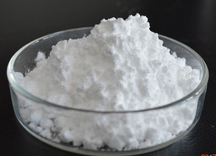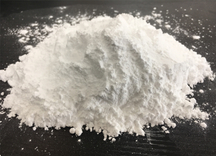
Adipic Acid has solidified its status as a vital dicarboxylic acid, serving as a primary building block for a multitude of high-performance materials. As industrial manufacturing becomes increasingly complex, the demand for High Quality Adipic Acid has surged, driven by the need for durable polymers, flexible resins, and specialized coatings. Historically known for its role in textile fibers, the modern application of Adipic Acid now spans from automotive engineering to the production of sustainable footwear and medical-grade plastics. For B2B procurement professionals and chemical engineers, understanding the purity profiles and reactive capabilities of this white crystalline powder is essential for maintaining a competitive edge in manufacturing efficiency and product longevity.
Adipic Acid is a versatile organic compound primarily used as a precursor for the production of Nylon 6,6, but it also plays a critical role in the synthesis of polyester polyols for polyurethanes, the manufacturing of non-phthalate plasticizers, and as a pH regulator in the food and pharmaceutical industries, making it indispensable for sectors ranging from automotive to consumer electronics.
The chemical's unique structure allows it to undergo polycondensation reactions with diamines or diols, resulting in polymers with exceptional mechanical strength and thermal stability. Whether the objective is utilizing Adipic Acid for nylon 6,6 fibers that require high tensile strength or employing Adipic Acid for plasticizer production to enhance the flexibility of PVC, the quality of the feedstock remains the deciding factor in the final product's performance. As global supply chains shift toward more specialized chemical grades, the focus on High Quality Adipic Acid with low impurity levels (such as iron or volatile acids) has become a top priority for manufacturers. This guide explores the multifaceted industrial roles of Adipic Acid and how its various grades cater to the specific needs of modern end-users.
Table of Contents
Industrial Applications by Sector
Market Demand and End-User Industries
Product Grades and Specifications
Innovations in Applications
Conclusion
FAQ
Industrial Applications by Sector
The industrial applications of Adipic Acid are predominantly centered on the polymer industry, specifically in the production of Nylon 6,6, polyurethanes, and specialized esters, while also finding niche roles in the food and pharmaceutical sectors as a safe acidulant and buffer.
In the textile and engineering plastic industries, the use of Adipic Acid for nylon 6,6 remains the cornerstone of its utility. By reacting Adipic Acid with hexamethylene diamine, manufacturers produce a polymer that is exceptionally resistant to heat and friction. This makes it ideal for automotive engine components, high-durability carpets, and heavy-duty industrial yarns. The reliability of these materials depends entirely on the use of High Quality Adipic Acid, as any trace impurities can cause yellowing in fibers or structural weaknesses in molded parts.
In the world of flexible and rigid materials, Adipic Acid for polyester foam plastic synthesis is a major growth area. Through the production of polyester polyols, Adipic Acid contributes to the creation of polyurethane foams used in shoe soles, furniture padding, and automotive seating. These foams benefit from the chemical's ability to provide a balance between elasticity and durability. For B2B stakeholders in the footwear industry, sourcing the right grade of Adipic Acid ensures that the resulting soles have the required abrasion resistance for long-term wear.
Another critical sector involves the production of non-toxic additives, where manufacturers utilize Adipic Acid for plasticizer synthesis. Adipate esters, such as Di-2-ethylhexyl adipate (DEHA), are increasingly favored over phthalate-based plasticizers for PVC applications. These adipate-based plasticizers are essential for food-grade packaging, medical tubing, and children's toys due to their lower toxicity profile and excellent low-temperature flexibility. This shift has reinforced the demand for High Quality Adipic Acid that can meet stringent safety and environmental regulations in the 2026 market.
Application Breakdown Table
| Industry Sector | Primary Use Case | Key Form of Adipic Acid |
| Automotive | Engine parts, airbags, tires | Adipic Acid for nylon 6,6 |
| Footwear/Furniture | Shoe soles, foam cushions | Adipic Acid for polyester foam plastic |
| Packaging/Medical | PVC films, medical tubing | Adipic Acid for plasticizer |
| Textiles | Apparel, carpets, industrial yarn | High Quality Adipic Acid (Fiber Grade) |
| Chemical Synthesis | Lubricants, solvents | Industrial Grade Adipic Acid |
Market Demand and End-User Industries
Market demand for Adipic Acid is driven by the global expansion of the automotive and infrastructure sectors, which require high-performance polyamides and polyurethanes for lightweighting and insulation purposes.
The automotive industry remains the largest end-user of Adipic Acid. As the industry shifts toward electric vehicles (EVs), the need for lightweight materials to offset battery weight has made Nylon 6,6 more relevant than ever. Using Adipic Acid for nylon production allows car manufacturers to replace heavy metal components with high-strength plastics that can withstand the thermal stresses of an engine bay. B2B suppliers have noted that the demand for High Quality Adipic Acid specifically for automotive engineering plastics has remained resilient despite global economic fluctuations.
The construction and infrastructure sectors are also significant drivers of demand, particularly concerning Adipic Acid for polyester foam plastic and high-performance coatings. Rigid polyurethane foams, made from adipic acid-based polyols, are essential for building insulation, helping to meet the energy efficiency standards of 2026. Furthermore, the chemical is used in the synthesis of specialized resins for weather-resistant paints and industrial coatings. This broad utility ensures that Adipic Acid remains a high-volume commodity in the chemical infrastructure of emerging economies.
Finally, the consumer goods sector, especially footwear and electronics, utilizes Adipic Acid for its unique mechanical properties. High-end athletic brands utilize Adipic Acid for polyester foam plastic to create responsive, lightweight cushioning. In electronics, the chemical is used in the flux for soldering and as an intermediate in the production of specialty lubricants. This diverse range of end-users means that the Adipic Acid market is less susceptible to downturns in a single industry, making it a stable asset for chemical distributors and B2B procurement teams.
Product Grades and Specifications
Adipic Acid is generally categorized into three main grades—High Purity/Fiber Grade, Technical/Industrial Grade, and Food/Pharmaceutical Grade—each defined by its melting point, water content, and trace metal limits.
High Quality Adipic Acid (often referred to as Fiber Grade) is the most refined version of the compound. It typically features a purity level exceeding 99.8%. This grade is mandatory for the production of Nylon 6,6 fibers, where the slightest contamination can lead to fiber breakage during the high-speed spinning process. B2B manufacturers of premium textiles and automotive plastics specify this grade to ensure color consistency and structural integrity. The specification for this grade usually includes very low levels of total iron (less than 0.2 ppm) and a strict limit on volatile acids.
The Technical or Industrial Grade is commonly used for Adipic Acid for plasticizer and general chemical synthesis. While still maintaining high purity (often around 99.5%), this grade allows for slightly higher moisture and ash content. It is ideal for the manufacturing of adipate esters and polyester polyols. For companies producing Adipic Acid for polyester foam plastic, this grade offers a cost-effective balance between performance and price. It provides the necessary acidity and reactive sites for polymerization without the premium cost of fiber-grade material.
The Food and Pharmaceutical Grade of Adipic Acid is used as an acidulant and flavoring agent. It is prized for its non-hygroscopic nature, meaning it doesn't absorb moisture from the air, making it an excellent dry-powder acid for gelatin desserts, powdered drink mixes, and baking powders. In the pharmaceutical sector, it is used as a buffer and to control the release rate of certain medications. This grade must comply with international safety standards, such as the Food Chemicals Codex (FCC), ensuring that it is free from heavy metals and harmful residues.
Comparative Grade Specification Table
| Specification | Fiber Grade (High Quality) | Industrial Grade | Food Grade (FCC) |
| Purity (%) | ≥ 99.8% | ≥ 99.5% | ≥ 99.7% |
| Moisture (%) | ≤ 0.2% | ≤ 0.5% | ≤ 0.2% |
| Total Iron (ppm) | ≤ 0.2 ppm | ≤ 1.0 ppm | ≤ 5.0 ppm |
| Melting Point (°C) | 151 - 153°C | 150 - 153°C | 152 - 154°C |
| Applications | Nylon 6,6, Textiles | Plasticizers, Foam | Food, Medicines |
Innovations in Applications
Recent innovations in Adipic Acid applications are focused on the development of bio-based production methods and the expansion of its use in environmentally friendly, non-phthalate plasticizers for the healthcare and consumer goods sectors.
One of the most exciting breakthroughs is the shift toward bio-succinic and bio-adipic acid production. Traditional Adipic Acid manufacturing releases nitrous oxide (N2O), a potent greenhouse gas. However, 2026 has seen the commercialization of fermentation-based processes that use renewable feedstocks like glucose. This High Quality Adipic Acid produced via biological means is chemically identical to its petroleum-based counterpart but carries a significantly lower carbon footprint. For B2B firms under pressure to meet ESG (Environmental, Social, and Governance) targets, bio-based Adipic Acid for nylon is becoming a preferred sourcing option.
In the realm of material science, the use of Adipic Acid for plasticizer innovation is addressing the global "phthalate-free" movement. Researchers are developing complex adipate esters that provide even better low-temperature performance than traditional plasticizers. These innovations are critical for the medical industry, where IV bags and tubing must remain flexible in cold storage without leaching harmful chemicals. The ability of Adipic Acid to form stable, long-chain esters is the key to these safe, high-performance additives.
Furthermore, the role of Adipic Acid for polyester foam plastic is being redefined by the circular economy. New catalysts are being developed that allow for the chemical recycling of adipic-acid-based polyurethanes. This means that old shoe soles or furniture foam can be broken back down into their original chemical components, including Adipic Acid, to be used in the production of new foam. This closed-loop system is a major focus for B2B manufacturers in the footwear and upholstery industries, as it promises to reduce waste and raw material costs simultaneously.
Conclusion
The versatility of Adipic Acid as a fundamental building block in modern chemistry is unmatched. From its primary role in the global Nylon 6,6 market to its expanding presence in the production of Adipic Acid for plasticizer and Adipic Acid for polyester foam plastic, this compound is central to the materials we use every day. As B2B industries strive for higher performance and greater sustainability in 2026, the demand for High Quality Adipic Acid continues to grow. Its ability to provide mechanical strength, thermal stability, and non-toxic flexibility makes it a cornerstone of the automotive, construction, and consumer goods industries.
In summary, the future of Adipic Acid lies in the balance between technical excellence and environmental responsibility. Manufacturers who can master the application of this acid—whether in high-speed fiber spinning or in the development of biodegradable foams—will lead their respective sectors. As procurement strategies evolve, the focus will remain on securing reliable, high-purity sources of this essential dicarboxylic acid to fuel the next generation of industrial innovation.
Would you like me to help you compare the technical data sheets of different Adipic Acid grades for your specific polymer application, or perhaps research the current bio-based Adipic Acid availability in your region?
FAQ
What is the difference between Fiber Grade and Industrial Grade Adipic Acid?
The primary difference is the level of purity and trace contaminants. High Quality Adipic Acid (Fiber Grade) has a purity of 99.8% or higher and extremely low iron content (less than 0.2 ppm) to prevent breakage and discoloration in Nylon 6,6 fibers. Industrial Grade is typically used for Adipic Acid for plasticizer or resins where slightly higher trace impurities are acceptable.
Is Adipic Acid safe for use in food packaging?
Yes, when used as a precursor for Adipic Acid for plasticizer (such as DEHA), it is widely approved for food-contact films. It provides excellent flexibility and is generally considered a safer, non-phthalate alternative for food wraps and containers.
Why is Adipic Acid essential for the automotive industry?
It is the primary ingredient in Nylon 6,6, which is used for lightweighting. Using Adipic Acid for nylon components allows for high-strength parts that can withstand the high temperatures of an engine, replacing heavier metals and improving fuel efficiency or EV range.
How should Adipic Acid be stored for long-term B2B stability?
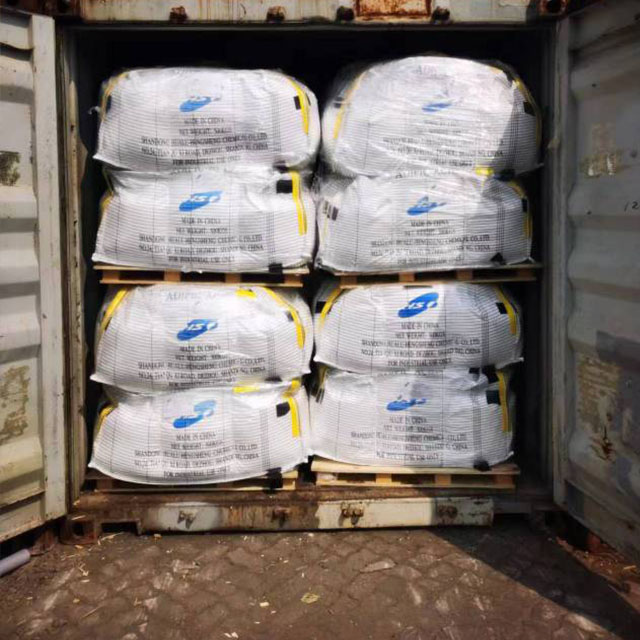
Adipic Acid should be stored in a cool, dry, and well-ventilated warehouse. It is non-hygroscopic, but moisture should still be avoided to prevent clumping. Proper sealing of bags or silos is necessary to maintain the status of High Quality Adipic Acid and prevent contamination by dust or other chemicals.
What are the environmental impacts of Adipic Acid production?
Traditional production releases nitrous oxide (N2O). However, modern plants use thermal or catalytic abatement systems to destroy up to 99% of these emissions. Additionally, the move toward bio-based production of Adipic Acid for nylon is significantly reducing the carbon footprint of the industry.