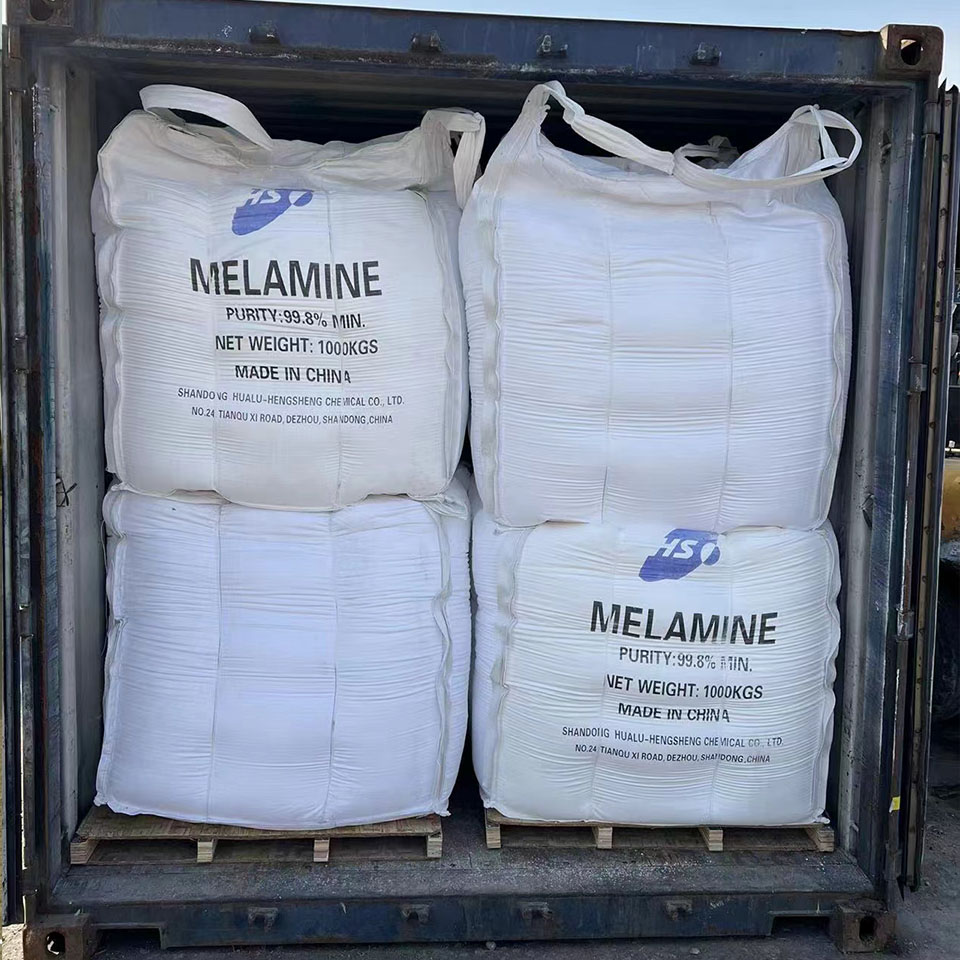
In the modern global houseware market, materials science has introduced a variety of synthetic compounds that offer durability and aesthetic appeal at a competitive price point. Among these, melamine has become a ubiquitous presence in both commercial kitchens and residential dining rooms. As a nitrogen-rich organic base, it is most commonly encountered in the form of melamine resin, a thermosetting plastic created by combining Melamine Powder with formaldehyde under intense heat and pressure.
Melamine is an organic nitrogen-based compound that is primarily used to create durable, heat-resistant, and shatterproof plastic resin for dishware, laminates, and industrial coatings. When manufactured according to strict safety standards, it is considered safe for serving food; however, it is not microwave-safe and should not be used for high-heat applications, as excessive temperatures can cause chemical migration into food.
Understanding the safety profile of this material requires a deep dive into its chemical stability, the manufacturing process involving high-quality Melamine Powder, and the regulatory frameworks that govern its use in food-contact materials. This comprehensive guide explores the structural benefits, potential health risks, and best practices for using melamine products in professional and domestic settings.
Table of Contents
Section
Summary
What Is Melamine?
An introduction to the chemical composition of melamine and its role in the production of durable plastic resins.
Is it safe?
An evaluation of food safety standards and the conditions under which melamine is deemed safe for consumer use.
Are there any risks or side effects?
A detailed analysis of chemical leaching risks, particularly concerning temperature and acidity.
Other melamine concerns
Discussion on environmental impact, recyclability, and historical industrial safety incidents.
Pros and cons
A balanced comparison of the functional advantages and inherent limitations of melamine dishware.
The bottom line
Final recommendations for businesses and consumers regarding the responsible use of melamine products.
What Is Melamine?
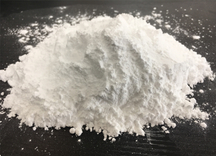
Melamine is a crystalline organic compound (C3H6N6) often produced in the form of a white Melamine Powder that serves as a vital precursor in the production of thermosetting resins used for durable plastics, adhesives, and flame retardants.
The production of melamine dishware begins with the polymerization of Melamine Powder and formaldehyde. This chemical reaction creates a substance called melamine resin, which is incredibly hard, heat-resistant, and chemically stable once cured. Unlike many other plastics that melt when exposed to heat, melamine resin is a "thermoset" plastic, meaning its physical state is permanently fixed once molded. This makes it ideal for high-traffic environments like schools, hospitals, and restaurants where breakage is a significant cost concern.
Beyond the dining table, this versatile material is used in various industrial applications. It is a key component in decorative laminates (such as Formica), whiteboards, and even soundproofing materials. Its high nitrogen content also makes it an effective flame retardant when added to foams and fabrics. For businesses sourcing these materials, understanding the purity and quality of the raw materials is essential for ensuring the final product's safety and longevity.
In the context of international trade and manufacturing, the quality of the raw material is paramount. You can find more information about high-grade Melamine Resin Materials to understand how industrial standards are maintained during the synthesis process. The structural integrity of the final plate or bowl depends entirely on the ratio of powder to resin and the precision of the molding pressure.
Is it safe?
According to major food safety authorities, including the FDA and EFSA, melamine dishware is safe for serving food and beverages as long as it is not subjected to high heat, such as in a microwave or conventional oven.
The primary concern regarding melamine safety is the migration of the chemical from the dishware into the food. Scientific testing has shown that under normal room temperature or even hot food conditions (below 160 degrees Fahrenheit), the level of migration is significantly lower than the "Tolerable Daily Intake" (TDI) established by health organizations. The resin forms a tight molecular bond during the manufacturing process, which prevents the Melamine Powder components from leaching out easily under standard use.
However, safety is conditional. The migration of chemicals increases when the material is exposed to highly acidic foods for long periods or when the surface of the dishware becomes severely scratched or degraded. Modern manufacturers often apply a protective glaze to minimize this risk, but the quality of the base resin remains the most critical factor. Consumers and B2B buyers must distinguish between high-quality melamine and cheaper alternatives that may use fillers or inferior curing processes.
Safety concern
The safety concern regarding melamine revolves around the potential for chronic exposure to low levels of the chemical, which can lead to kidney stones or renal failure if the intake exceeds safety thresholds. While the migration from dishes is usually negligible, the cumulative effect of using damaged or low-quality ware is a topic of ongoing research. It is crucial to monitor whether melamine safety regulations are being updated in your specific region to ensure compliance with the latest health findings.
Findings
Research findings from the FDA indicate that the amount of melamine that leaches into food at temperatures below 160°F is less than 250 parts per billion. This is considered exceptionally low and poses no immediate health risk to the general population. However, studies have shown that when melamine is heated to boiling temperatures (212°F) in contact with acidic substances like orange juice, the migration levels can rise. This reinforces the industry-wide warning: never microwave melamine.
Are there any risks or side effects?
The primary risk associated with melamine is chemical migration into the diet, which occurs when the plastic is heated above its safety threshold or used with highly acidic liquids for extended durations.
While the acute toxicity of melamine is relatively low, its side effects are primarily focused on the urinary system. When ingested in high concentrations, melamine can crystallize in the kidneys, leading to the formation of stones and, in severe cases, acute kidney injury. This is why the "no-microwave" rule is not just a suggestion but a critical safety requirement for the longevity of both the product and the user's health.
For commercial buyers in the hospitality industry, the risk is often more related to product degradation. Over time, repeated exposure to high-heat commercial dishwashers can cause the resin to become brittle. Once the protective surface is compromised, the risk of chemical leaching increases. It is recommended to replace melamine dishware every 3 to 5 years in high-volume settings to maintain safety standards.
Comparison of Migration Risks by Temperature
Temperature
Food Type
Risk Level
Recommendation
Room Temp (70°F)
All
Negligible
Safe for all uses
Hot Food (150°F)
Soups/Meats
Low
Safe for serving
Boiling (212°F)
Acidic Liquids
Moderate
Avoid long-term contact
Microwave (300°F+)
All
High
Strictly Prohibited
To mitigate these risks, many industries are looking into the source of their raw materials. Ensuring that you are purchasing from a reputable supplier of certified Melamine Powder ensures that the chemical composition meets international safety benchmarks before the molding process even begins.
Other melamine concerns
Beyond direct health safety, concerns regarding melamine involve its environmental footprint, its inability to be recycled through traditional methods, and its historical association with industrial contamination incidents.
One of the significant drawbacks of melamine is its status as a thermoset plastic. Unlike "thermoplastics" (like PET water bottles) that can be melted down and reformed, melamine cannot be remelted. This makes it difficult to recycle. Once a melamine plate reaches the end of its life, it typically ends up in a landfill. While it is extremely durable and reduces the need for frequent replacements—thereby lowering the overall waste of "disposable" items—its end-of-life management remains a challenge for eco-conscious businesses.
Furthermore, there is the issue of historical context. Many people associate melamine with the 2008 infant formula scandal. It is vital to clarify that the health risks in those cases were due to the intentional and illegal addition of Melamine Powder directly into food products to artificially boost protein readings, not from the use of melamine dishware. Understanding the difference between illegal food adulteration and the safe use of food-contact plastics is essential for maintaining consumer trust.
Environmental Persistence: Melamine does not biodegrade easily.
Manufacturing Emissions: The production of formaldehyde, a key ingredient, requires strict industrial controls to prevent environmental air pollution.
Market Misconceptions: Education is needed to separate the "food adulteration" history from the "safe dishware" reality.
For those interested in the legal landscape of this material, researching whether melamine use is restricted can provide clarity on how different countries manage the industrial and environmental risks associated with the compound.
Pros and cons
The decision to use melamine involves weighing its exceptional durability and cost-effectiveness against its thermal limitations and lack of traditional recyclability.
In the B2B sector, particularly for high-volume dining, melamine is often the preferred choice over porcelain or glass. Its resistance to chipping and breaking reduces replacement costs significantly, which is a major factor for school cafeterias and outdoor catering companies. Additionally, the material stays cool to the touch even when holding hot food, protecting servers and diners from accidental burns.
On the other hand, the limitations are physical. The inability to use the material in ovens or microwaves can be a logistical hurdle in kitchens that rely on quick reheating. Furthermore, while the material is stain-resistant, it is not completely stain-proof. Exposure to highly pigmented foods like turmeric or certain dyes can lead to permanent discoloration over time if not washed promptly.
Melamine pros
Durability: It is virtually unbreakable under normal conditions, making it perfect for outdoor use or busy environments.
Cost-Efficiency: Lower replacement rates lead to better long-term ROI for businesses compared to ceramic or glass.
Design Versatility: The molding process allows for a wide range of colors and textures, including those that mimic marble, wood, or stone.
Insulating Properties: It keeps food at a stable temperature for longer than many other materials while remaining cool to the touch.
Melamine cons
Not Microwave Safe: Exposure to microwaves can cause the material to crack and increases chemical leaching.
Not Recyclable: It is a thermoset plastic that cannot be reprocessed, contributing to landfill waste.
Surface Degradation: Over time, harsh detergents and abrasive scrubbers can wear down the protective glaze.
Weight Perception: Some high-end dining establishments feel that the light weight of melamine lacks the "premium" feel of heavy porcelain.
The bottom line
Melamine remains a highly effective and safe material for food service when used within its designed parameters, offering an unparalleled balance of aesthetics and toughness for modern industries.
For any business or consumer, the key to safety lies in proper handling. By avoiding high-heat applications and choosing products made from high-quality Melamine Powder, the risks of chemical migration are kept well within safe limits. It is an excellent choice for environments where safety from breakage is the top priority, such as poolside service, childcare centers, and high-traffic buffet lines.
When sourcing, always verify the manufacturer's certifications. High-quality industrial melamine supplies should be tested for migration levels and formaldehyde content. Staying informed about the global legal status of melamine will also ensure that your inventory remains compliant with international safety standards as they evolve.
Ultimately, melamine is a tool in the modern kitchen’s arsenal. Like any tool, its performance and safety depend on the user’s understanding of its properties. When treated with the correct care—hand-washing or low-temp dishwashing and avoiding the microwave—it provides a long-lasting, beautiful, and safe dining experience.
Final Summary Table: Melamine Best Practices
Action
Do or Don't
Reason
Dishwasher
Do
Most melamine is top-rack dishwasher safe.
Microwave
Don't
Causes material breakdown and chemical leaching.
Abrasive Scrubbers
Don't
Scratches the surface and removes protective glaze.
Acidic Foods
Do
Safe for short-term serving, avoid long-term storage.
Check for Damage
Do
Replace if the surface is cracked, dull, or scratched.
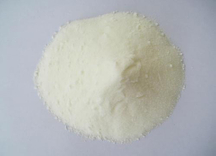
Melamine presents alkalescence, can react with various acidums to generate melamine salt. In strong acid or strong alkali liquor, melamine will hydrolyze---amidocyanogen will be slowly replaced by hydroxyl, thus generate cyanuric acid diacid amide, cyanuric acid monamide, and cyanuric acid. Among them, the reaction of melamine and formalin is the most important part.
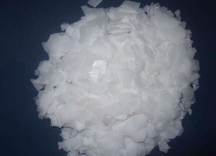
Product name:Sodium Hydroxid/Caustic Soda Molecular formula:NaOH Molecular weight:39.996 CAS NO.:1310-73-2 Appearance:White or light yellow shiny solids UN number:1824,1823
Melamine presents alkalescence, can react with various acidums to generate melamine salt. In strong acid or strong alkali liquor, melamine will hydrolyze---amidocyanogen will be slowly replaced by hydroxyl, thus generate cyanuric acid diacid amide, cyanuric acid monamide, and cyanuric acid. Among them, the reaction of melamine and formalin is the most important part.
CAS NO.7632-00-0 Chemical formula:NaNO2 Appearance:White or slightly yellowish solid. Uses:Mainly used in the pharmaceutical and chemical industries and can also be used in heat treatment of metal,early strength agent of cement,antifreezing agent,and etc. Packing:1000kg/bag,50kg/bag,25kg/bag